Why the body aches after drinking
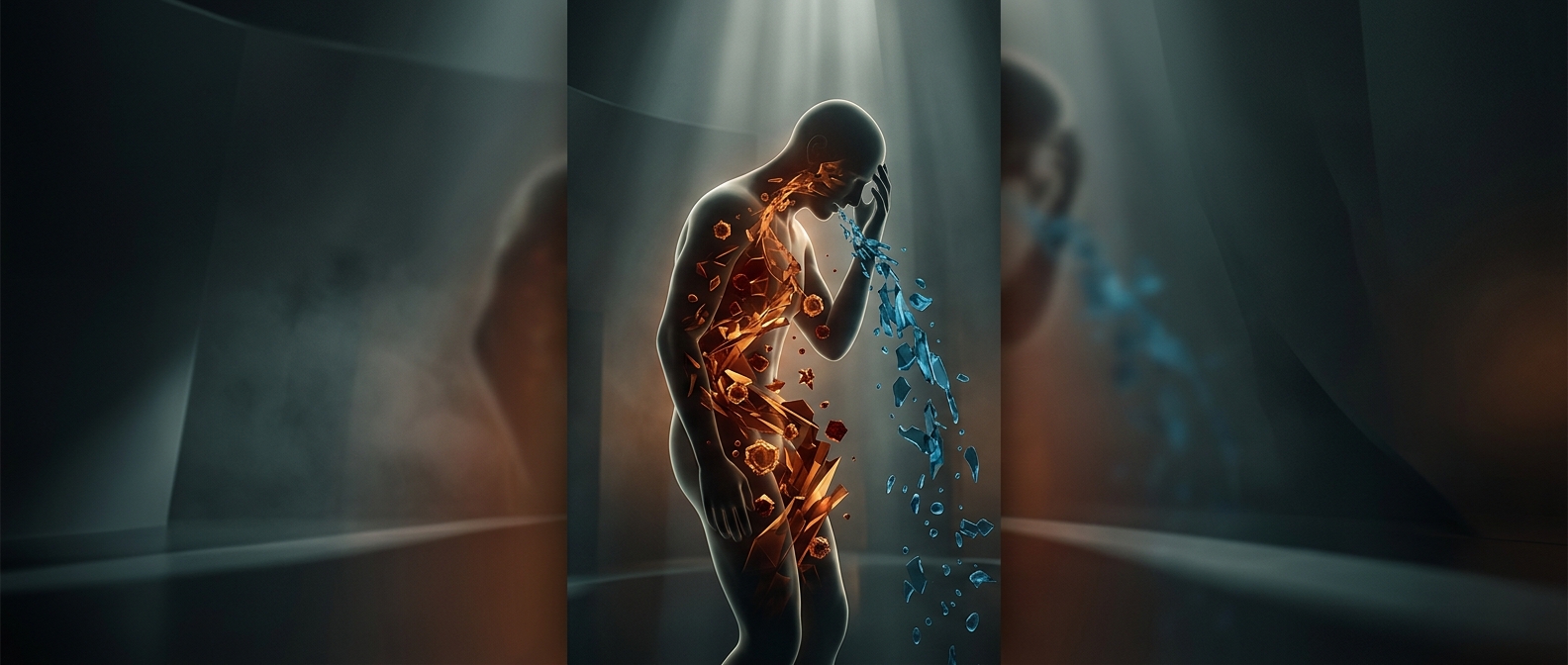
A hangover can borrow some of its sensations from the body’s response to infection. After alcohol enters the body, it can prompt immune cells to release cytokines—messenger proteins that help coordinate inflammation. Cytokines also influence the brain, which can respond by making you feel tired, achy, or generally unwell.
That response is sometimes called “sickness behavior”: the body shifts toward rest while it deals with a perceived threat. It helps explain why a hangover can feel less like simple thirst and more like the start of an illness.
Flu-like feelings, without the flu
Chills and muscle aches do not mean alcohol has given you influenza. In a viral infection, the immune system is responding to a virus; after drinking, alcohol-related changes can contribute to inflammation and similar sensations. The overlap is in how the body feels, not what caused the symptoms.
Cytokines are only part of the picture. Alcohol’s breakdown products, disrupted sleep, and fluid loss can also add to next-day discomfort. The mix varies from person to person, so no single mechanism explains every hangover.
The striking result is that an immune signal can make an ordinary morning after feel like the body is fighting an infection—even when no flu virus is involved.