Why a hangover outlasts breakfast
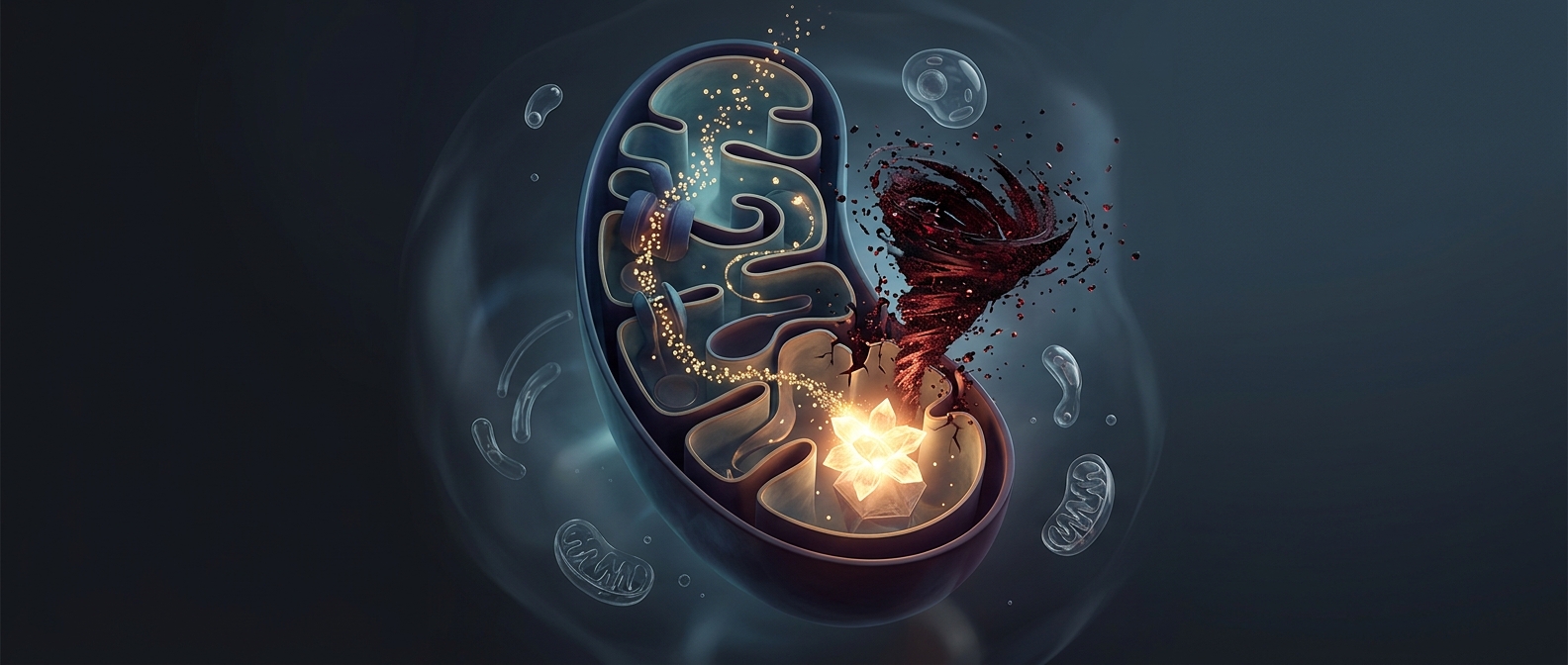
Alcohol is cleared mainly by the liver, which converts it first into acetaldehyde, a short-lived, irritating chemical, and then into acetate, which the body can further break down. A greasy meal, raw egg, or cold shower does not speed this sequence. Once alcohol has been absorbed, the liver can process it only so quickly; trying to shock or feed the body cannot make that clock run faster.
Acetaldehyde may contribute to feeling unwell, but a hangover is not simply a case of one toxin building up. Alcohol can also fragment sleep, irritate the stomach, and alter the body’s fluid regulation. The combined effects help explain why symptoms can include headache, nausea, fatigue, and poor concentration—and why one supposed cure rarely addresses them all.
What water and food can—and can’t—do
Replacing fluids can help if drinking left you dehydrated, and bland food may be easier on an irritated stomach. But neither removes alcohol or its breakdown products faster. A greasy breakfast may even worsen nausea, while a cold shower can make someone feel more alert without making them sober or shortening the hangover.
The practical distinction is between easing a symptom and curing its cause. Rest, time, and drinking fluids as needed may make the wait more manageable; the body still has to finish processing the alcohol. If someone is difficult to wake, breathing abnormally, or repeatedly vomiting after drinking, that is not an ordinary hangover and needs urgent medical attention.