A Small Animation With a Big Design Job
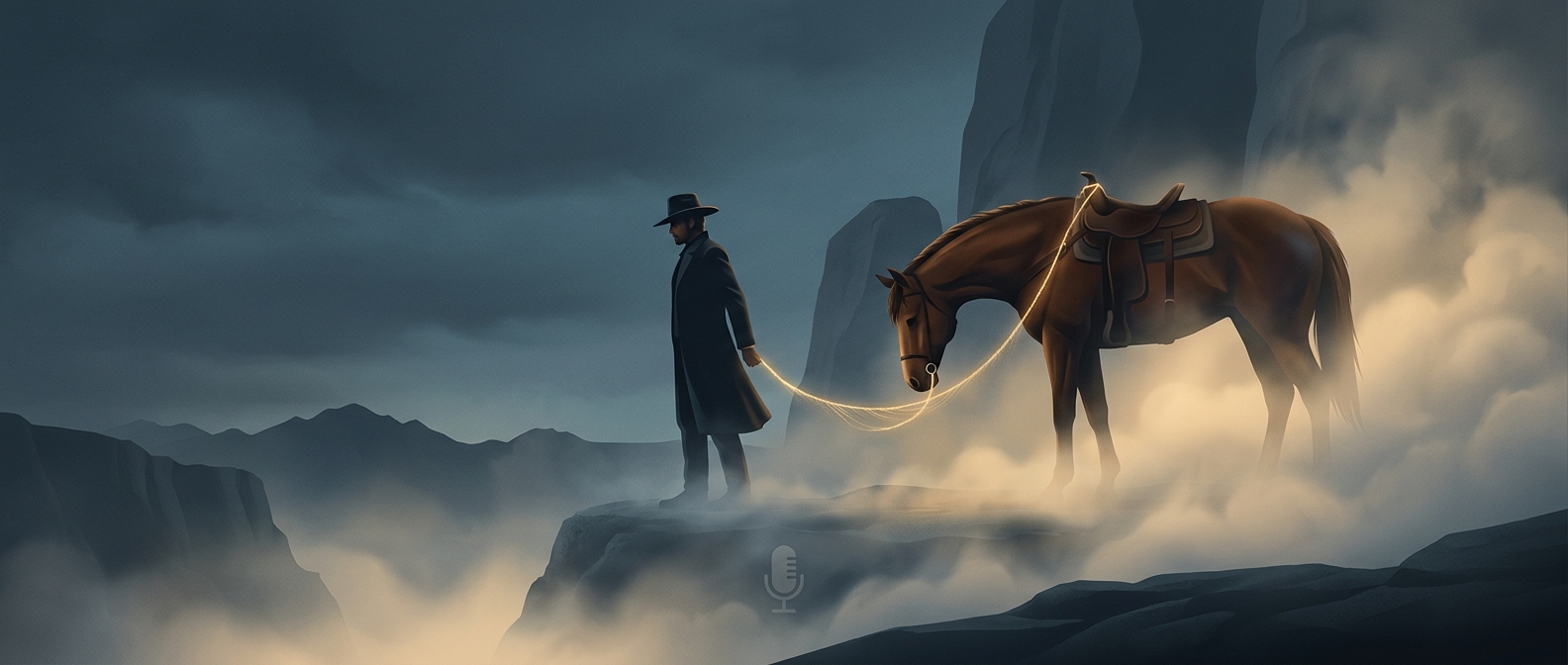
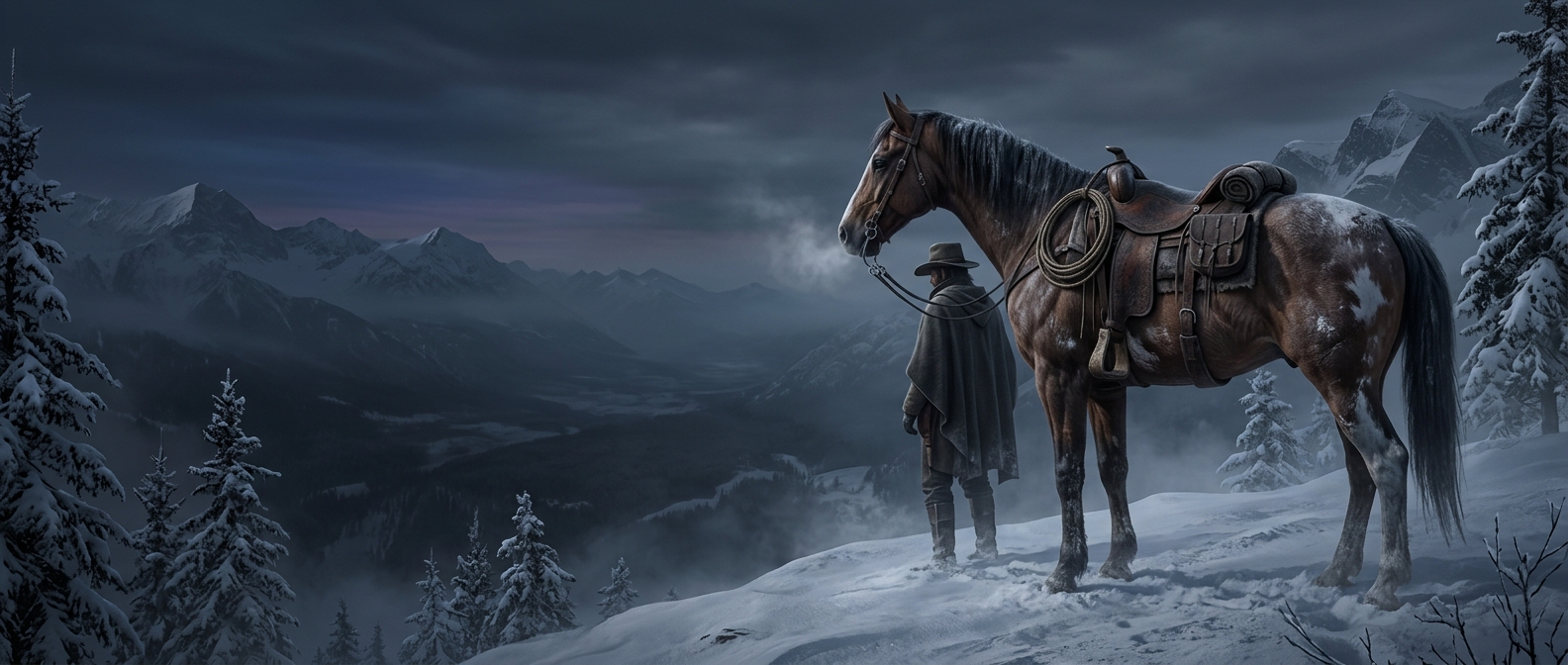
In Red Dead Redemption 2, the cold-weather change is a visual response built into the horse model: the same animal can look slightly different as the game’s environment changes. It is not a separate gameplay system players need to manage. Instead, it is one more cue that the world is meant to feel physically responsive, even when the detail has no practical effect on a mission.
That distinction matters. Games often communicate weather through obvious signals—snowfall, frost, or a character’s breath. A subtler change on an animal asks the player to notice something that would normally pass without comment. It makes the horse seem less like a fixed object carried through different scenery and more like a body occupying that scenery.
Realism Built From Accumulated Details
A single adjustment cannot make a game world realistic on its own. Its effect comes from joining many small responses: weather changes, surfaces react, and living characters appear to belong to their surroundings. The horse detail works by the same logic. It is easy to miss, but once noticed, it gives the cold a consequence beyond the landscape.
That is also the tradeoff in this kind of design. Such details take attention to build and may be seen by only a fraction of players, yet they can make the world feel carefully observed rather than merely decorated. The memorable part is not that the game asks players to think about horse anatomy; it is that even an incidental animal detail has been made to answer the weather.