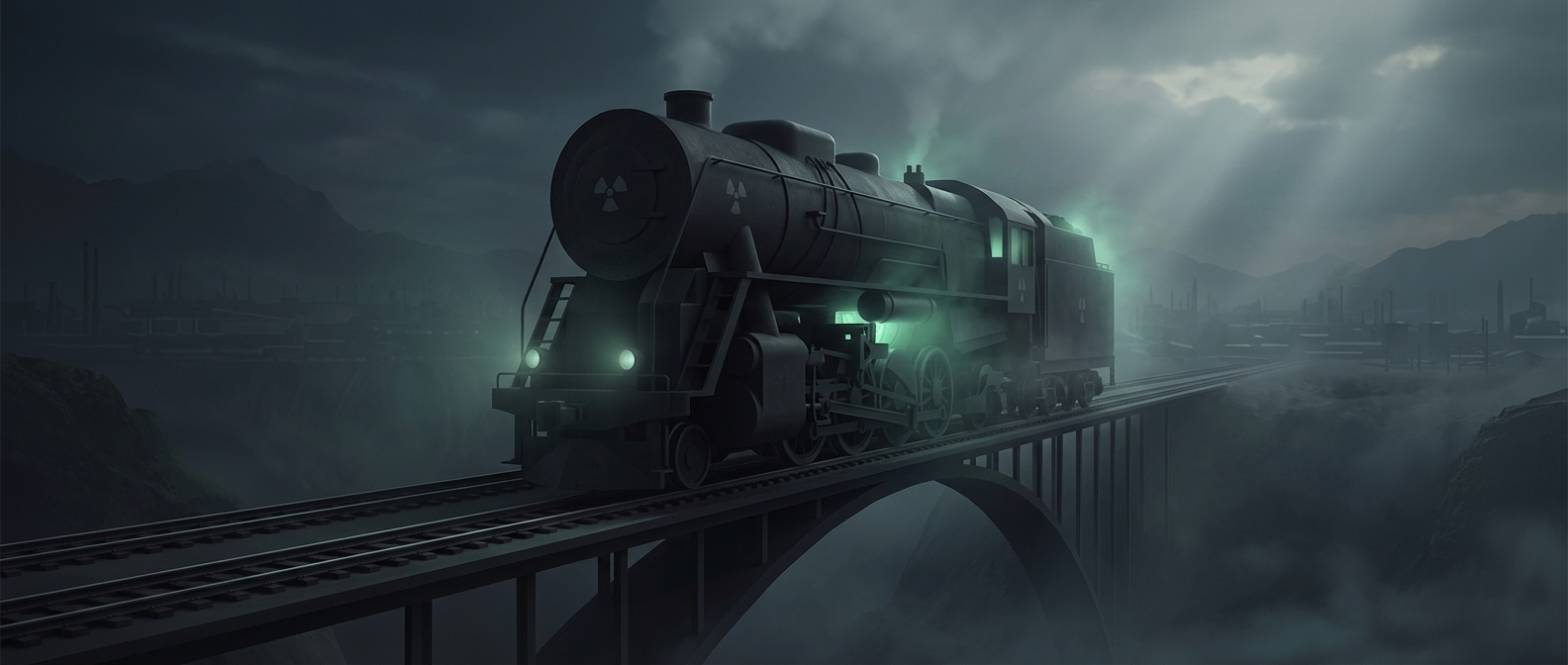
A reactor would need a train built around it
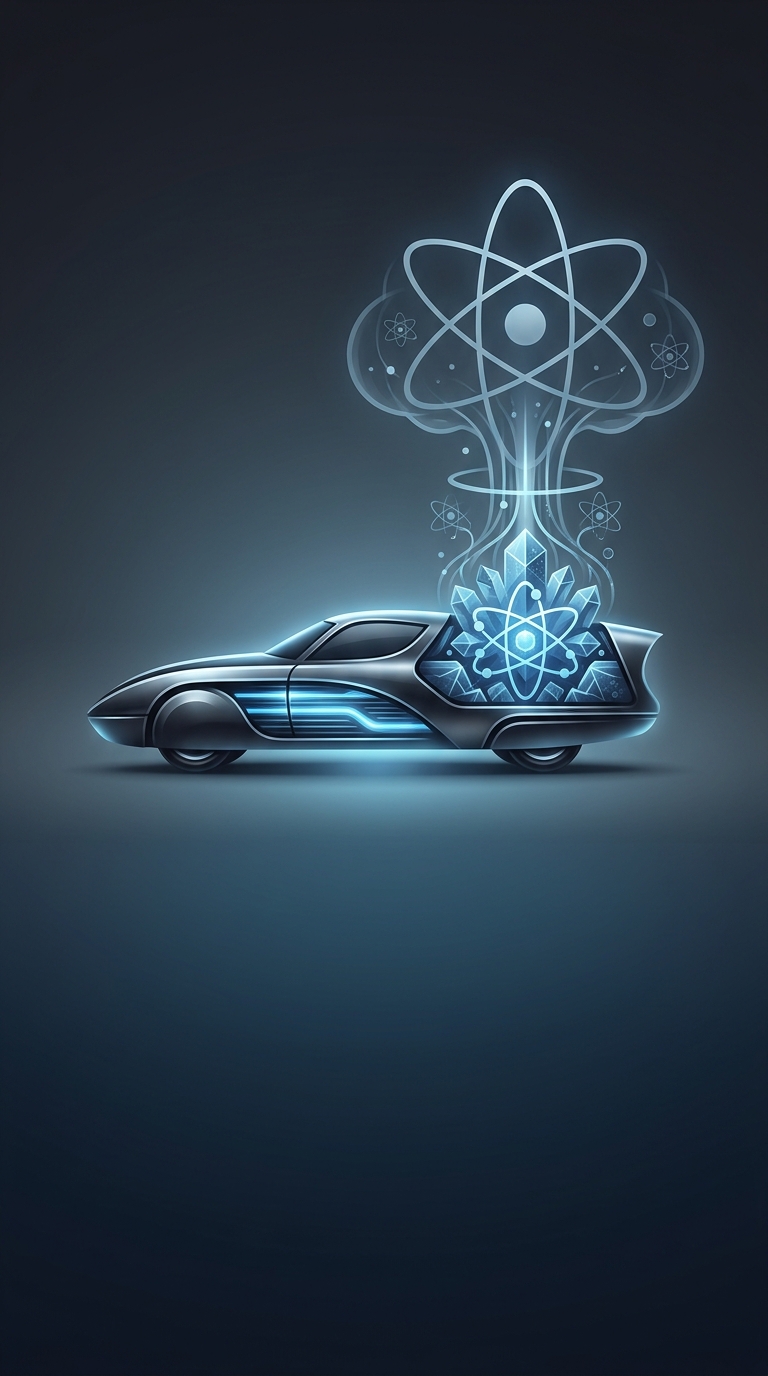
A nuclear locomotive would not send power straight from its reactor to the wheels. The reactor would produce heat, which would make steam to drive a turbine; generators and electric motors could then turn the wheels. That chain needs far more than a reactor core: it also needs cooling equipment, shielding to limit radiation, controls, and robust protection for the fuel.
Those systems are difficult to shrink. Shielding must sit between the radioactive core and people nearby, while cooling equipment must remove heat even when the train is stopped. And unlike a power plant in a fenced-off facility, a locomotive would travel through stations, towns, yards, and places where emergency access and security would matter.
Railways already have ways to move power
The appeal was clear: a reactor could carry a large supply of energy and potentially keep producing it for a long time without frequent refueling. But rail transport makes weight and space unusually valuable. Every ton devoted to the power plant is a ton unavailable for passengers or freight, and the extra mass also has to be carried, supported, and safely managed on tracks and bridges.
There was another tradeoff: railways did not need to put the reactor aboard to use nuclear electricity. A power station could send electricity through overhead wires to electric trains, leaving the shielding, cooling systems, and fuel security at a fixed site. Where tracks are not electrified, conventional locomotives avoid the specialized infrastructure and oversight a moving reactor would require.
The power source lost the space contest
Ships can devote substantial room to machinery and benefit from long stretches between refueling. A train, by contrast, has to fit into a tightly constrained rail vehicle and operate amid the public rail network. The reactor’s theoretical endurance could not outweigh the practical cost of carrying and protecting a small power plant on every journey. On rail, it proved easier to keep the reactor at the power station—and send its electricity down the line.