A request that became an editorial decision
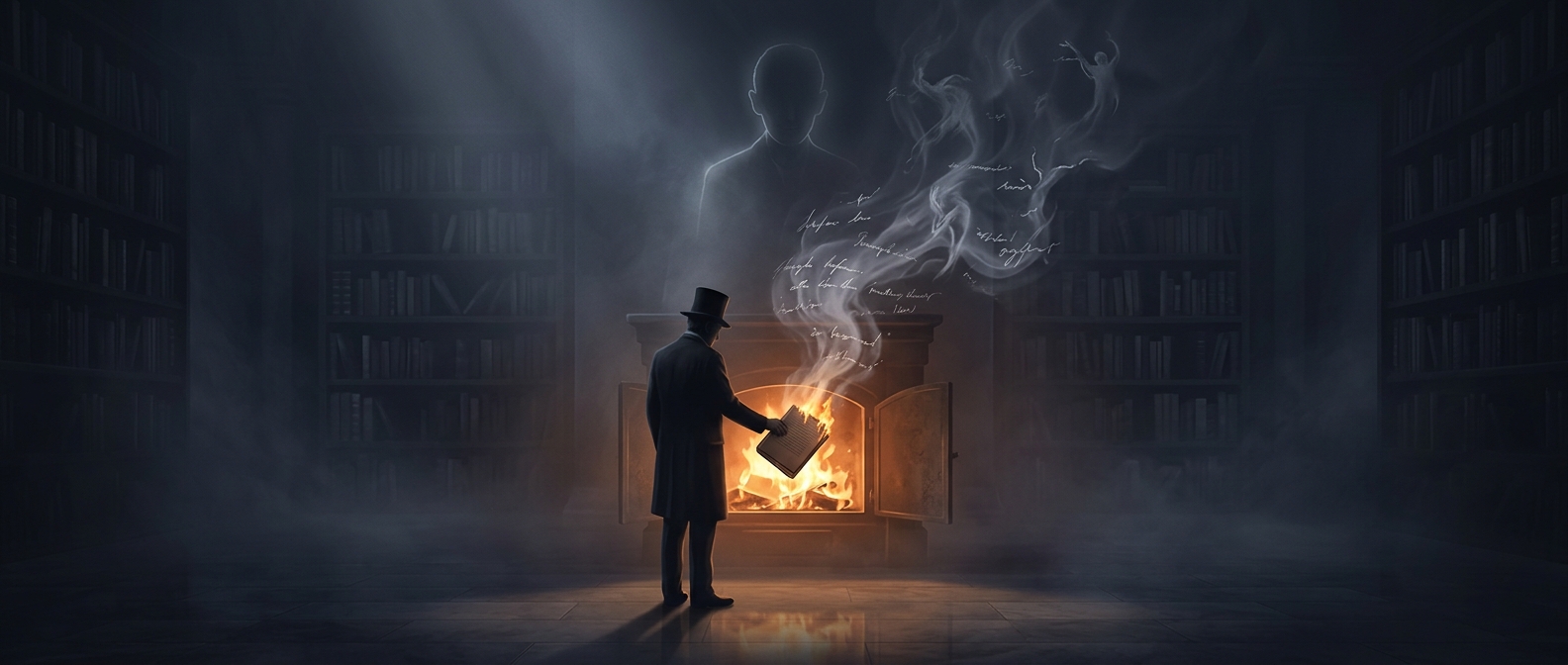
Kafka did not leave behind a tidy set of finished books awaiting publication. Much of the writing he entrusted to Max Brod consisted of manuscripts, drafts, and unfinished novels. His instruction to destroy them unread therefore asked Brod not merely to withhold a few polished works, but to prevent a large part of Kafka’s literary world from reaching readers at all.
Brod chose to treat the papers as something he had a responsibility to preserve. He later said he had already made clear to Kafka that he would not carry out the destruction request. That did not remove the conflict: after Kafka’s death, Brod had to decide whether loyalty meant obeying his friend’s final instruction or protecting work he believed mattered.
What readers received—and what they did not
Brod prepared Kafka’s unfinished novels for publication, including The Trial, The Castle, and Amerika. These books reached readers in edited form, but they were not completed novels in the ordinary sense. Their unresolved plots and open endings are part of what readers encounter, while also reflecting the condition in which Kafka left the manuscripts.
That distinction matters: Brod did not simply release a ready-made body of work. His choices helped determine which texts survived and how they first appeared. Later readers and editors have had to reckon with both Kafka’s writing and the fact that its route into print ran through a friend who overruled him.
Preservation changed Kafka’s place in literature
Without Brod’s decision, many of Kafka’s most influential works might never have been available to the public. Their publication gave readers a chance to respond to a writer whose unfinished worlds—where ordinary people confront opaque, difficult-to-understand systems—became central to his reputation. The lasting consequence is an unusual literary legacy: Kafka’s fame rests in part on works preserved against the author’s own stated wishes.