Why a Small Fridge Changed the Hotel Room
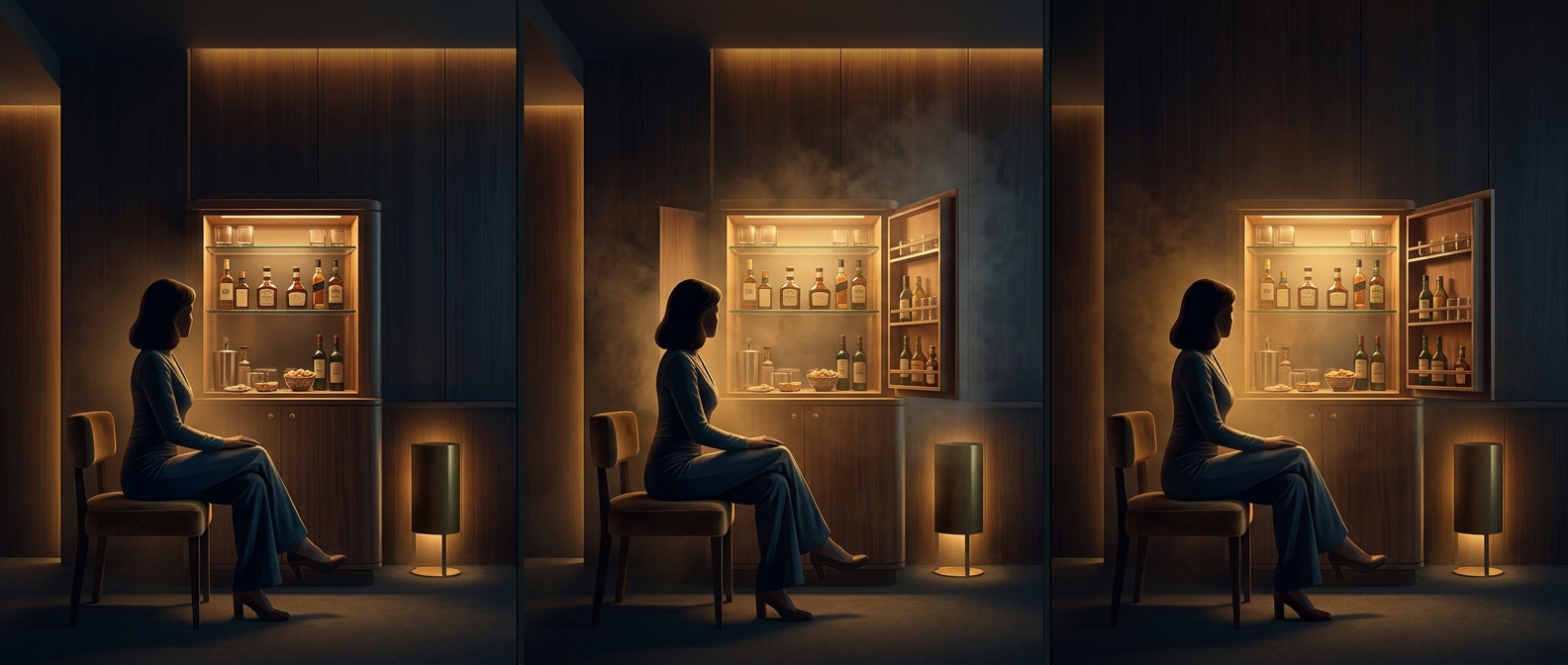
A minibar turned the guest room into a tiny, always-open refreshment counter. Instead of calling room service or going downstairs, a traveler could grab a drink without leaving the room—useful late at night, between meetings, or when a hotel’s other food options were closed.
That convenience depended on putting a refrigerator within reach and keeping it stocked. As compact fridges became a practical hotel amenity, the minibar offered a way to sell drinks without sending staff to take each order. Guests could serve themselves; hotel workers could replenish the selection during routine room servicing.
Convenience With a Price
The arrangement also changed the economics of a drink. A minibar held only a small selection, but it was available in private, on demand, and without a separate trip or delivery. Hotels could charge more for that immediacy, while guests paid a premium for avoiding the alternatives.
The same setup created a tradeoff: every room needed space for the fridge, and the hotel had to keep its contents cold, stocked, and accounted for. The minibar’s appeal was not just what it sold, but where and when it was available. That is why a few bottles beside the bed could feel less like a shop and more like part of the room itself.