Keep blood moving with chest compressions
If someone suddenly collapses and is unresponsive, the most critical part of CPR is starting chest compressions promptly. In cardiac arrest, the heart is no longer pumping blood effectively. Pressing firmly in the center of the chest squeezes the heart and helps push blood—carrying oxygen—to the brain and other vital organs until the heart can be restarted or professional help takes over.
Get help, then act
Call emergency services, or direct a specific person to call, and ask someone to bring an automated external defibrillator (AED) if one is nearby. An AED checks the heart’s rhythm and can deliver a shock when appropriate; it gives spoken instructions and is designed for public use. Don’t delay compressions while searching for equipment.
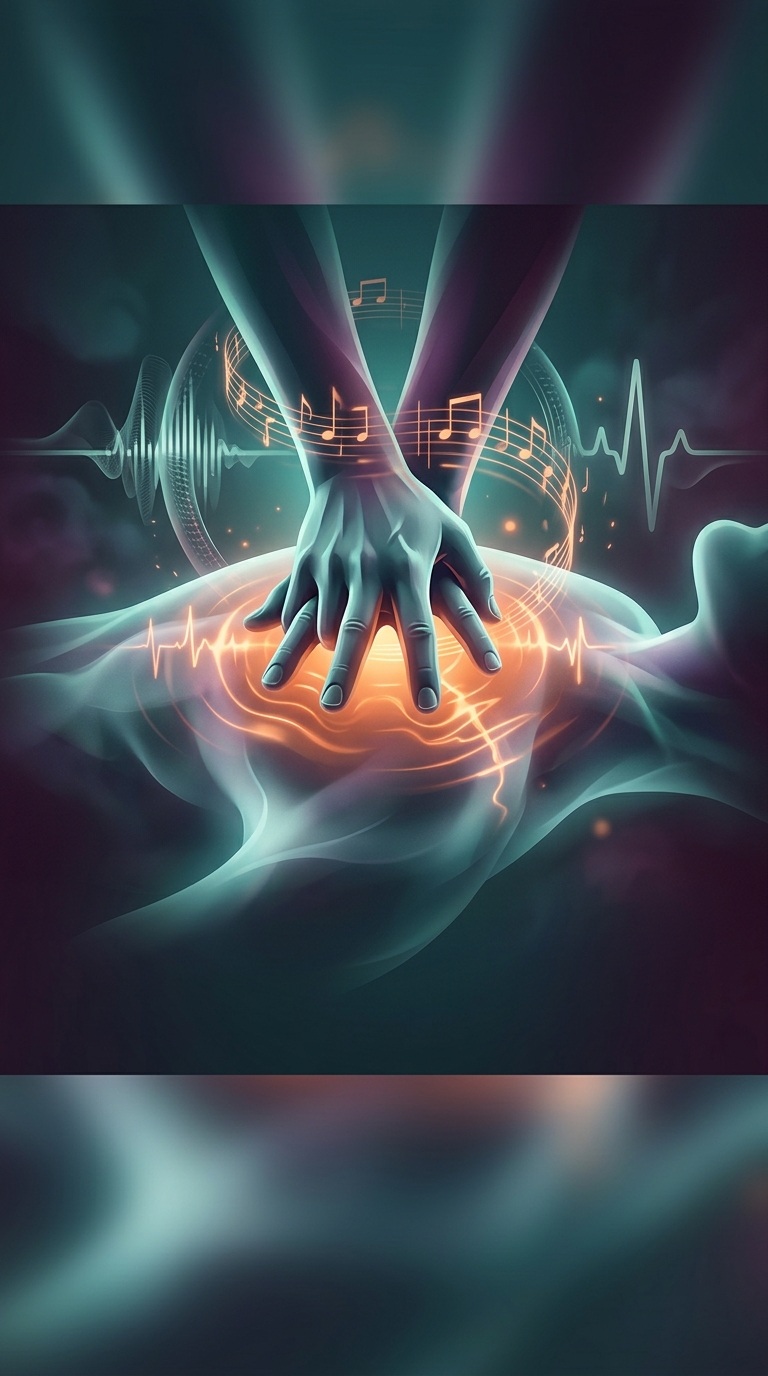
For an adult, place the heel of one hand in the center of the chest, put the other hand on top, and press hard and fast. Let the chest rise fully between presses. If you are not trained or do not feel able to give rescue breaths, hands-only CPR—continuous chest compressions—is still a meaningful way to help. If you are trained, follow your training, including breaths when appropriate.
Why the first minutes matter
Compressions do not fix the underlying problem, and they cannot replace emergency care. Their purpose is to buy time: each press produces only limited circulation, so stopping for long pauses allows blood flow to fall. Keep going until the person shows signs of life, trained responders take over, or you cannot continue. In a sudden collapse, acting quickly matters more than waiting to feel certain you remember every step.