Alcohol makes a water shortage harder to manage
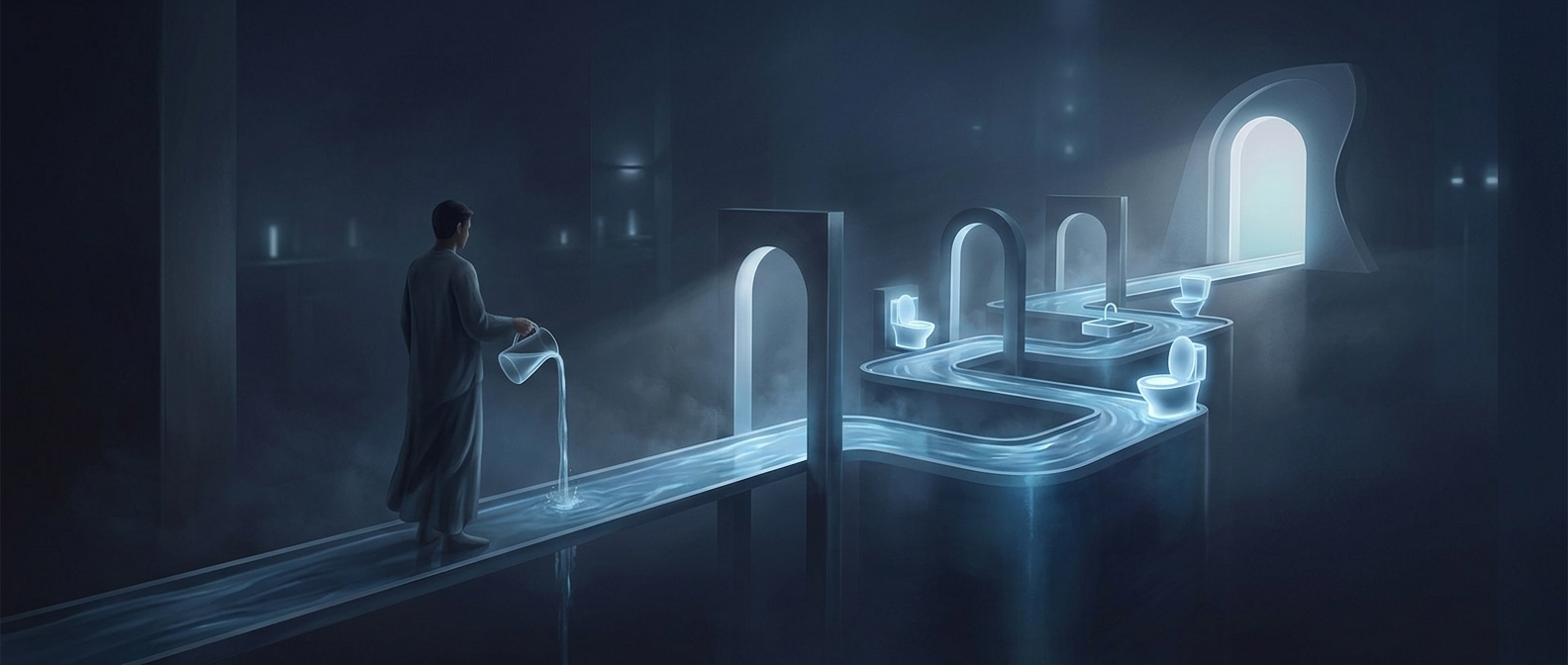
Alcohol is a poor substitute for water because it can make the body lose more fluid while also making it harder to respond to danger. After drinking, alcohol temporarily suppresses vasopressin, a hormone that tells the kidneys to conserve water. With less of that signal, the kidneys may send more water into urine. The effect depends on how much alcohol is consumed and the person’s condition, but in a desert, even extra fluid loss can matter.
The bigger danger is impaired judgment
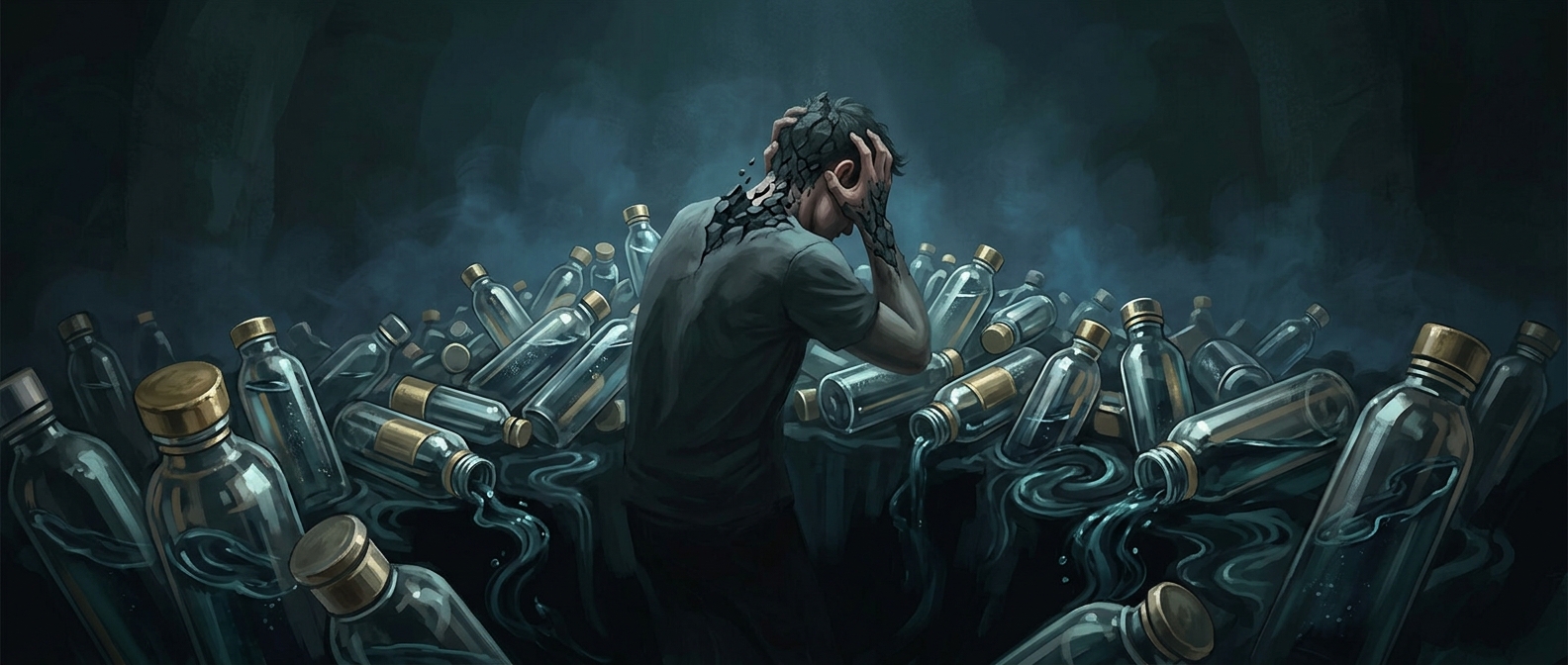
Thirst, heat, and exhaustion already make it harder to think clearly. Alcohol can further impair judgment, coordination, and awareness. Someone who is intoxicated may misjudge how much water remains, wander away from shade or a route, or fail to notice worsening heat illness. Those consequences can turn a manageable delay into a life-threatening emergency.
Alcohol does not instantly drain every drop of water from the body, and the exact effect varies. But it cannot replace the steady supply of safe drinking water needed to offset fluid lost through breathing, sweating, and urination. Its intoxicating effects add risks precisely when clear decisions are essential.
Why the mistake can become fatal
In extreme heat, dehydration reduces the blood volume available to circulate and cool the body. As fluid loss grows, weakness, confusion, and collapse can follow; severe heat illness can damage organs and become fatal. Drinking alcohol may worsen that chain by contributing to fluid loss and making it harder to recognize or respond to the warning signs. In a survival situation, alcohol spends both water and good judgment when a person can least afford to lose either.