Why drinking water has a delay
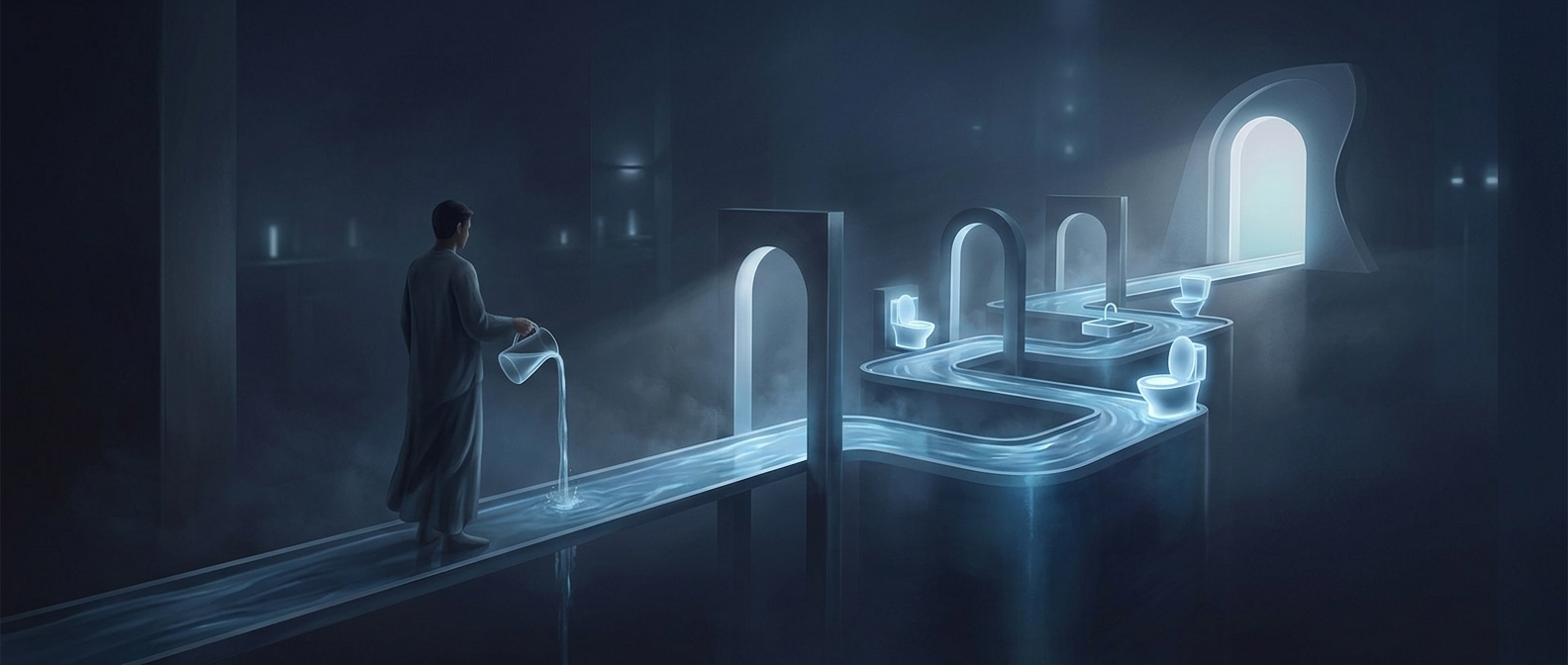
After you swallow water, it must pass through the stomach and be absorbed—mostly in the small intestine—before it can enter your bloodstream. Your body then distributes and regulates that fluid. So a drink can begin addressing a fluid shortage, but it cannot switch off a headache the moment it is swallowed.
If dehydration is contributing, the pain may ease as your fluid balance improves. The timing varies with how dehydrated you are, how quickly you drink, and whether you are still losing fluid through heat, exercise, vomiting, or diarrhea. A more expensive bottle does not speed this process simply by costing more.
A headache is not a hydration test
Headaches have many possible triggers, including migraine, illness, stress, and disrupted sleep. Dehydration can contribute, but the pain alone does not reveal whether you need water. Thirst, a dry mouth, or unusually dark urine can offer clues, though none is a perfect measure on its own.
When dehydration is plausible, drinking fluids steadily is more useful than chugging a large amount and expecting immediate relief. If the headache has another cause, water may do little; if it is severe, unusual, or accompanied by concerning symptoms, it deserves attention beyond another bottle.
The practical lesson is simple: water can help correct dehydration, but it is a remedy for one possible contributor—not a universal headache treatment.