Why coffee can still hydrate you
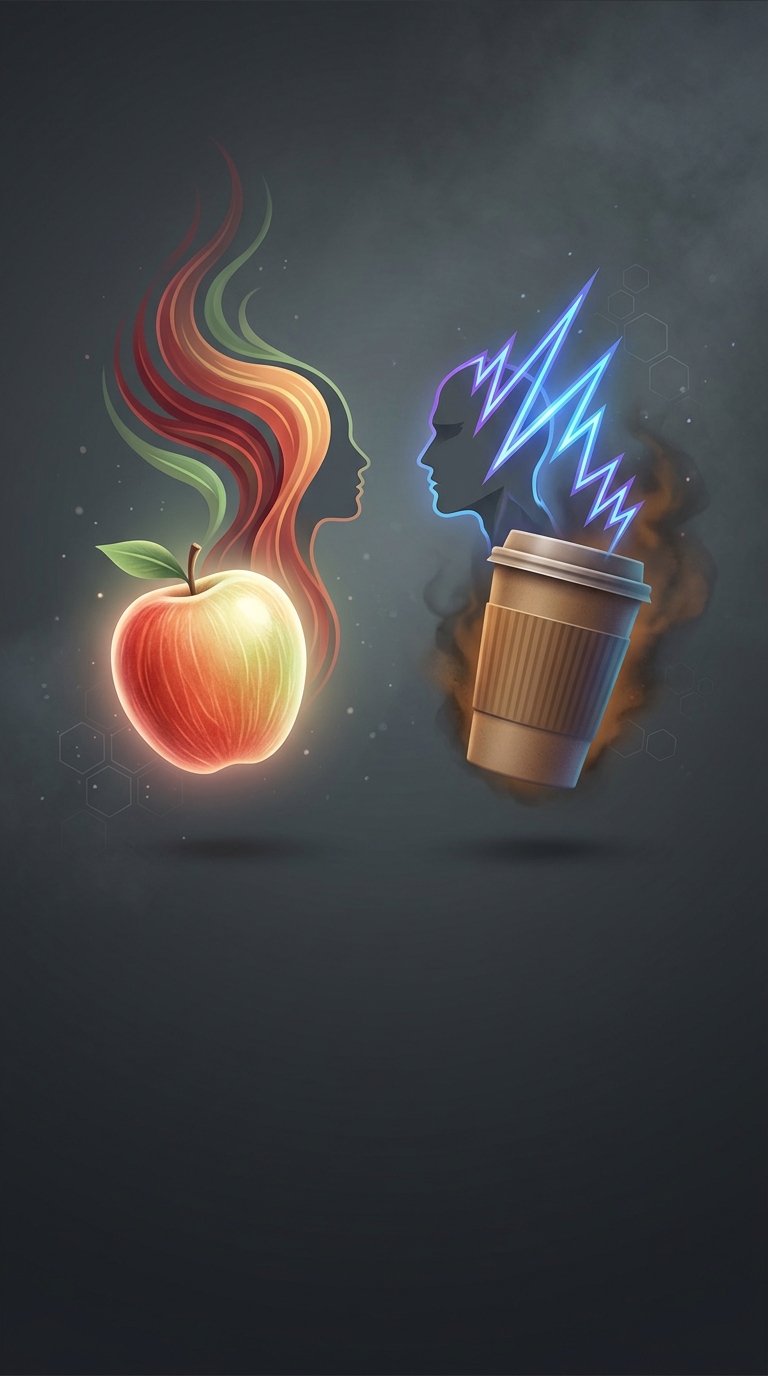
Caffeine can make the kidneys release a little more sodium and water into urine. But that effect is modest for people who regularly drink coffee, and it does not erase the water in the cup. The body’s fluid balance depends on the drink’s net effect—not simply on whether it prompts a bathroom visit.
What changes the effect
Caffeine’s influence is more noticeable when someone consumes a large amount at once or is not accustomed to it. With regular use, the body develops some tolerance, so the increase in urine production tends to be smaller. The amount of caffeine also matters: a small coffee and a highly caffeinated drink are not equivalent.
Coffee’s water counts toward fluid intake just as water in other beverages does. For an ordinary cup, the fluid it provides generally outweighs caffeine’s mild diuretic effect—the term for a substance that increases urine output.
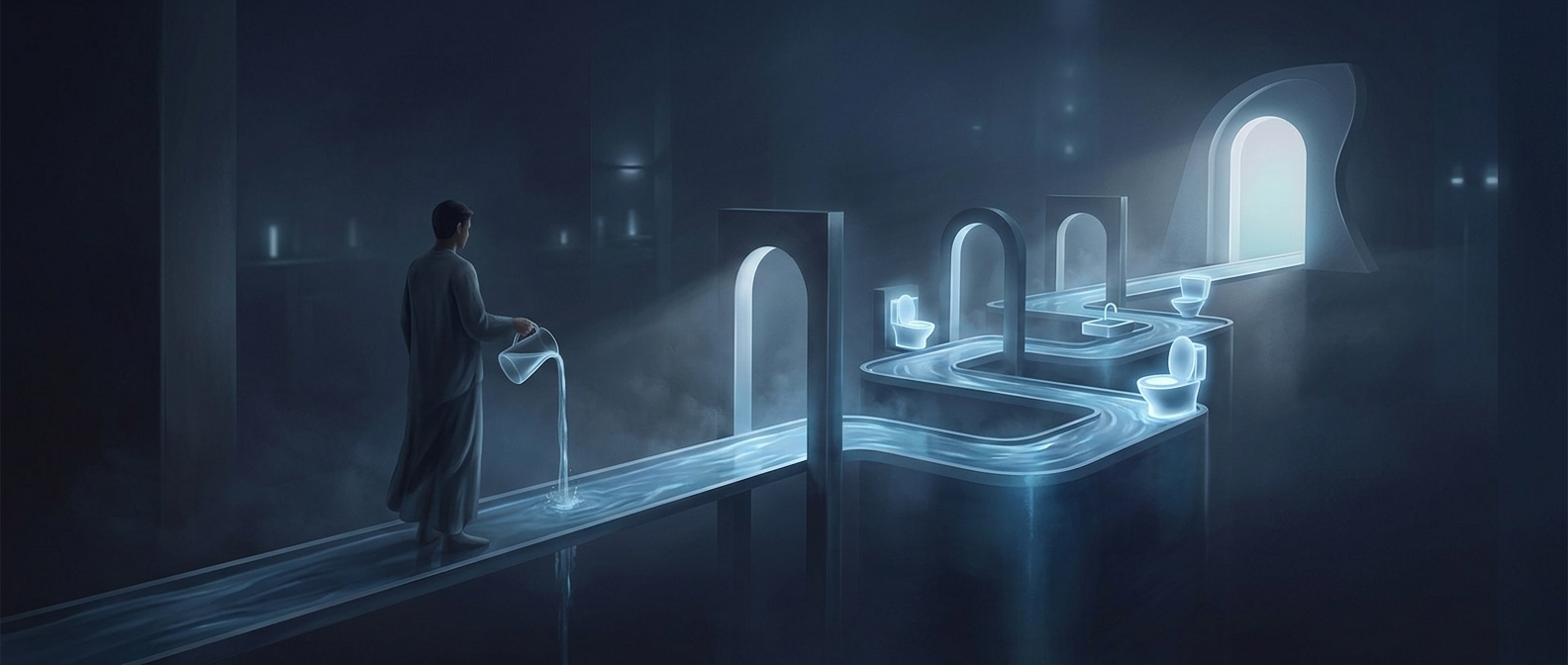
A bathroom trip is not a hydration test
Urine production responds to more than caffeine: how much you drank, how recently you drank it, and your body’s current fluid needs all play a role. So needing to urinate after coffee does not show that the drink has left you dehydrated. For most habitual coffee drinkers, a cup contributes fluid rather than taking it away; the practical takeaway is to count it as part of the day’s intake, not as a substitute for every other source of fluid.