How Ghostwatch Made Fiction Feel Live
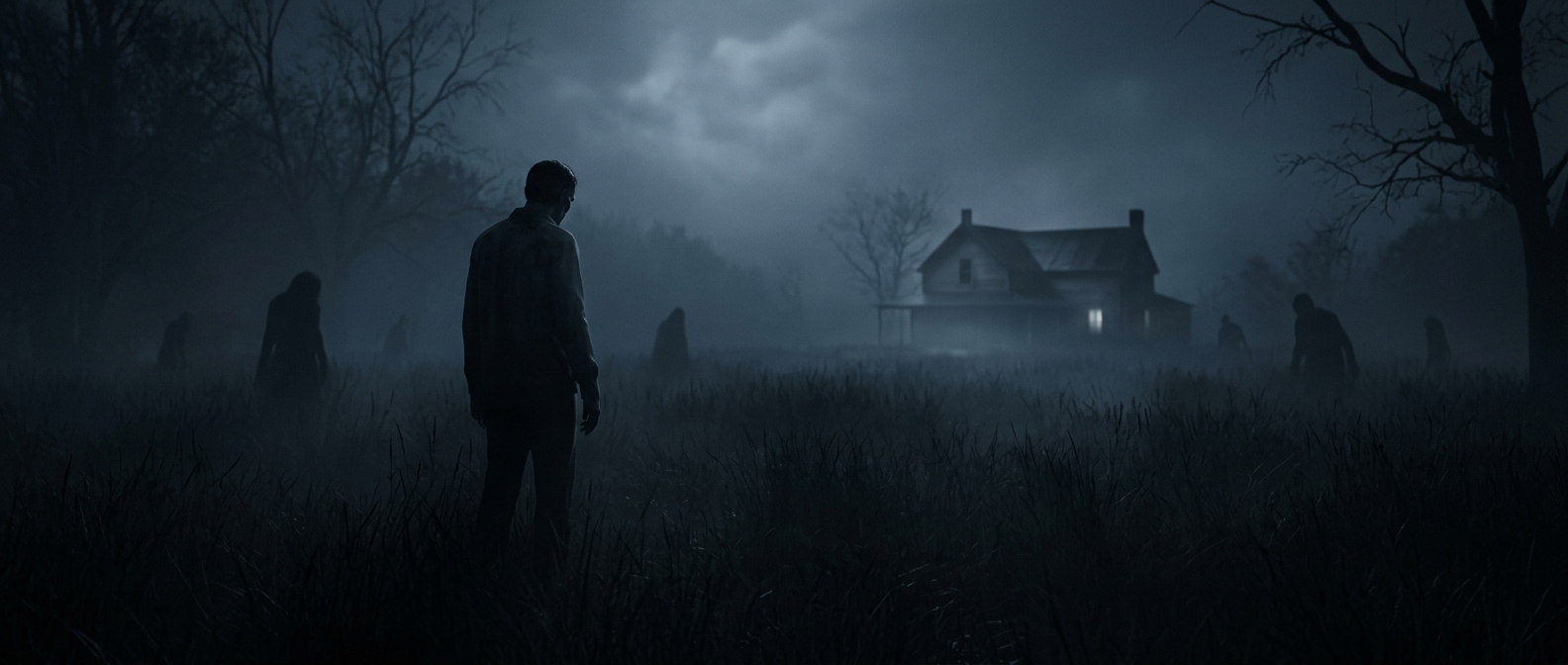
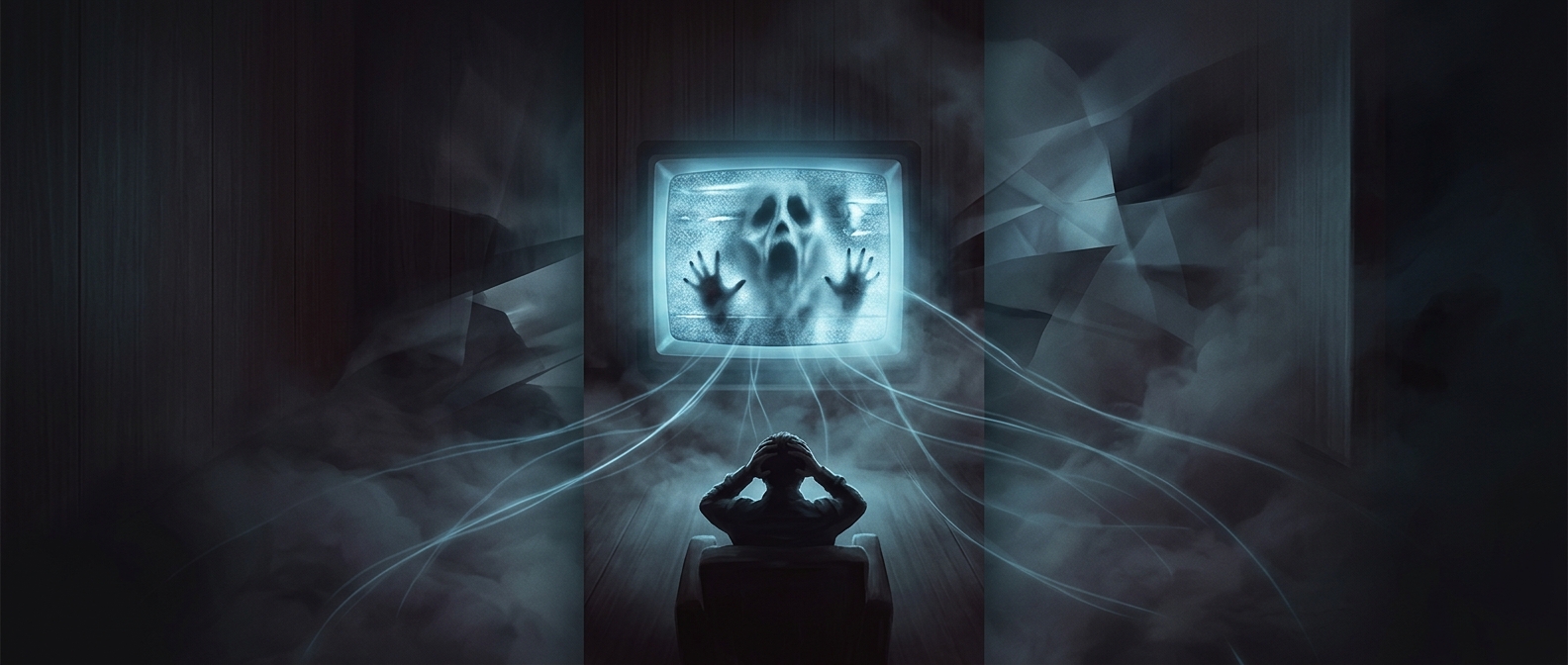
The 1992 Halloween special Ghostwatch borrowed the visual grammar of a real television investigation: familiar BBC presenters appeared to report from a supposedly haunted house, while events seemed to unfold in real time. Actors and a scripted story supplied the haunting, but the broadcast’s news-like framing made it easy for some viewers—especially children—to mistake the performance for an actual emergency.
That confusion was the mechanism, not an accidental ghost effect. Instead of clearly separating a drama from reality, the programme used ordinary television authority: presenters viewers recognized, live updates, and the suggestion that danger was escalating as the cameras watched. The more the story resembled a broadcast people trusted, the less its fictional setup helped them judge what they were seeing.
When Realism Became a Responsibility
The distinction between frightening fiction and apparent fact matters because viewers respond differently to each. A ghost story can be disturbing while still understood as make-believe; a report that seems to show children in danger can provoke fear that continues after the screen goes dark. The Broadcasting Standards Commission later ruled that the programme had caused psychological harm to young viewers.
The case made Ghostwatch more than a memorable Halloween stunt. It showed that realism in entertainment carries a particular risk when a programme adopts the authority of news without making its fictional status unmistakable. Its most unsettling effect was not simply the imagined haunting, but the possibility that viewers had been watching a real crisis unfold.