Why a Canoe’s Shape Helps It Track Straight
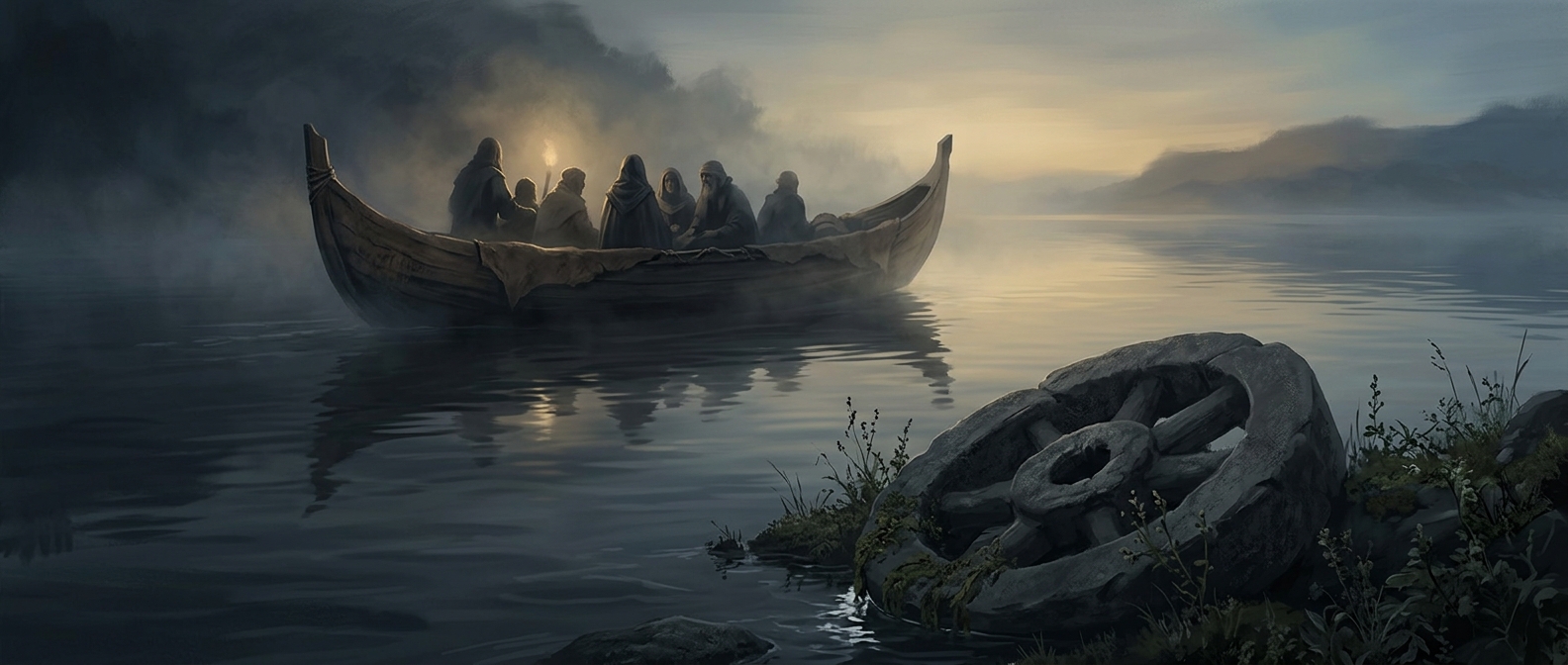
A conventional canoe is shaped around a centerline: its left and right sides are meant to present roughly matching surfaces to the water. As the hull moves forward, water presses against both sides. When the shape and load are balanced, those forces tend to cancel sideways, leaving the canoe to travel ahead rather than continually veer.
A mismatch can disturb that balance. A dent, unevenly fitted repair, or cargo piled to one side changes how the hull meets the water. The resulting difference in resistance can push the bow sideways—a motion called yaw. Each paddle stroke can add to the problem, so the paddler spends effort correcting the direction instead of moving forward.
Balance Matters Alongside Symmetry
The hull’s shape is only part of the equation. A canoe may be built symmetrically and still sit unevenly if a passenger or a heavy bag shifts off-center. That tilt changes which side is deeper in the water and how water flows around it. Keeping people and gear balanced helps the designed shape do its job.
Canoes also do not all use identical hulls: designers trade among stability, speed, maneuverability, and carrying capacity. But for a typical canoe intended to travel straight, a balanced hull and load reduce unwanted turning. The practical payoff is simple: more of each paddle stroke carries the boat forward, and less is spent steering it back onto course.