Olympic Medals for Art, Not Athletic Feats
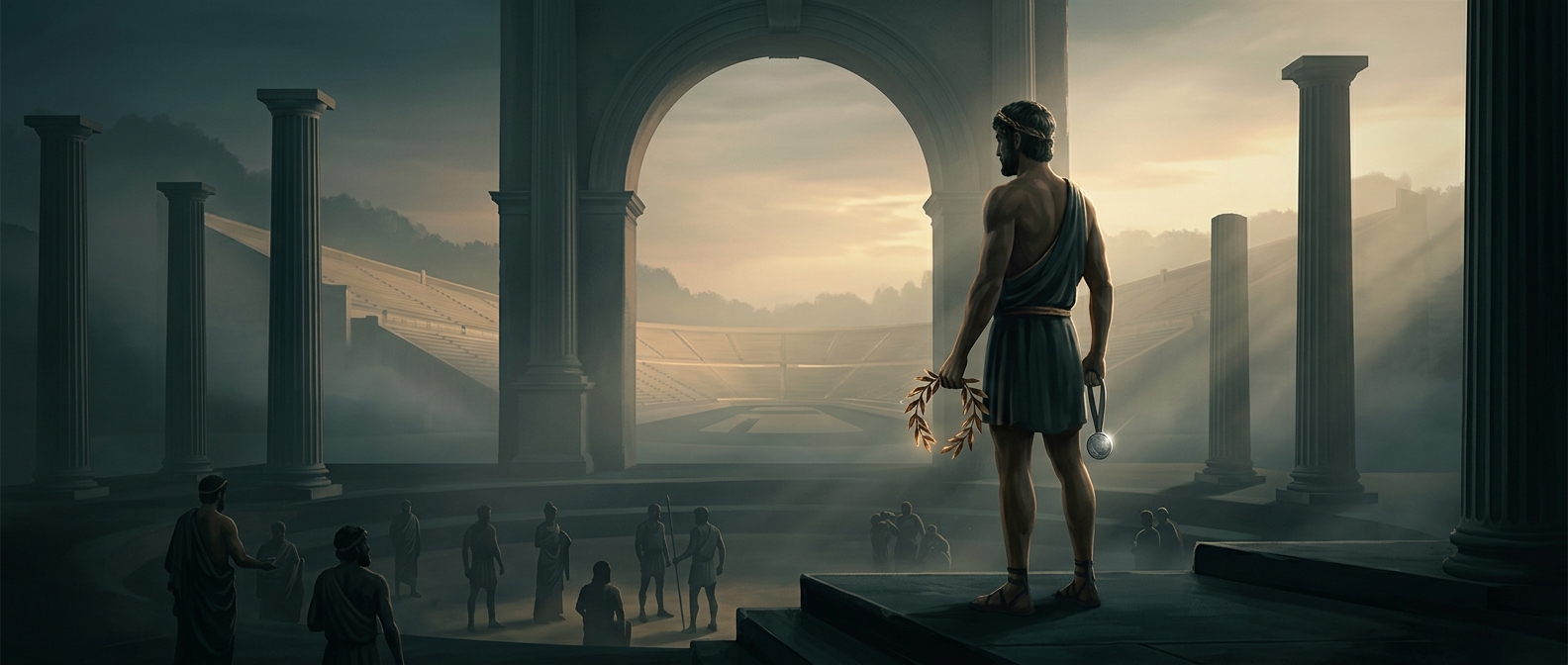
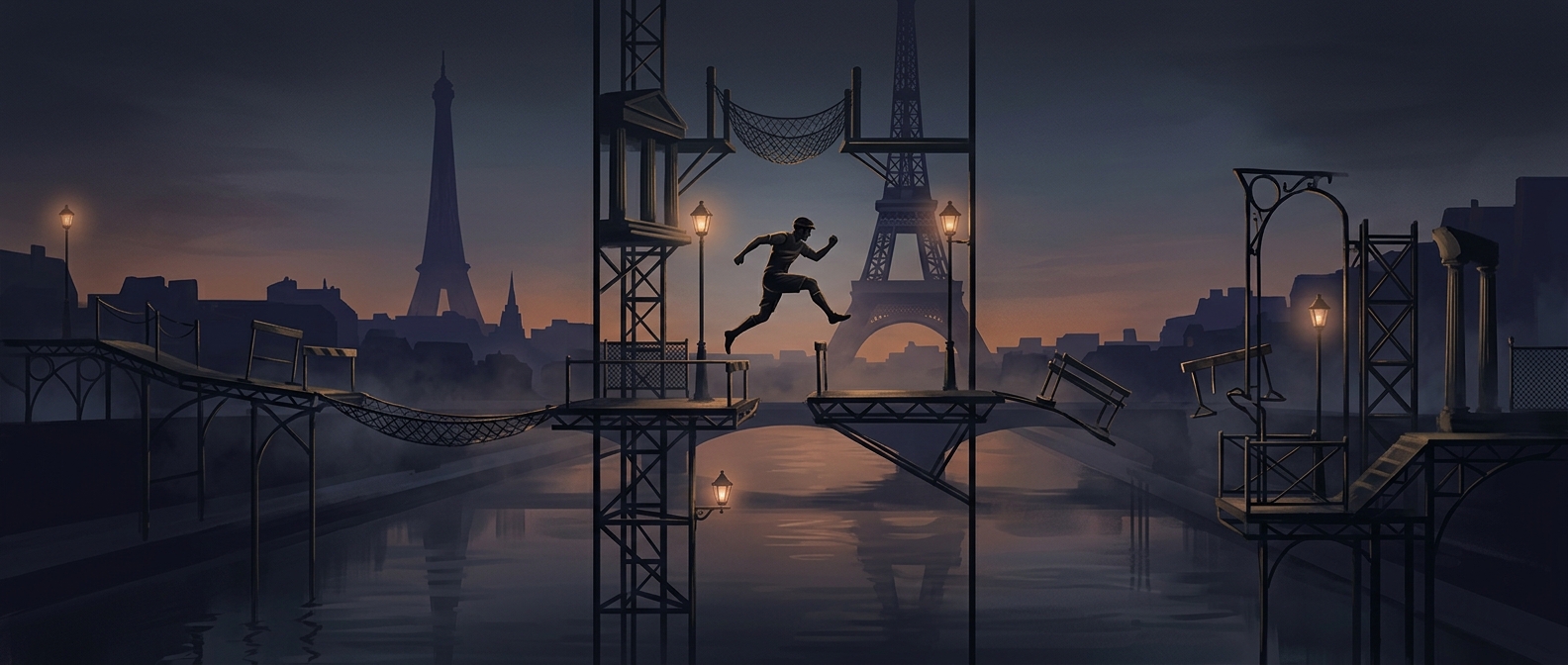
At five Summer Games between 1912 and 1948, artists could compete for Olympic medals alongside athletes. The contests covered architecture, literature, music, painting, and sculpture. Entries had to be connected to sport, so an architect might submit a stadium design, while a composer could enter a sports-inspired piece.
The idea reflected a broader Olympic ambition: the Games were meant to celebrate cultural achievement as well as physical performance. Their founder, Pierre de Coubertin, supported bringing the arts into the program, and the first such contests were held at the 1912 Stockholm Games.
Why the Art Competitions Ended
The contests faced a problem that a race or a high jump does not: judges had to compare works of art and decide which deserved medals. They also struggled to fit artistic competition into the Olympic ideal of amateur participation, since many artists made their living from their work. By the 1948 London Games, the arrangement was under scrutiny, and the events were discontinued afterward. Arts exhibitions later took their place, without medal contests.
The result was an unusual Olympic record: for a few decades, a medal could honor a sculpture, a poem, or a building proposal—not just a performance in the arena.