How a Full Shelf Becomes a Waste Problem
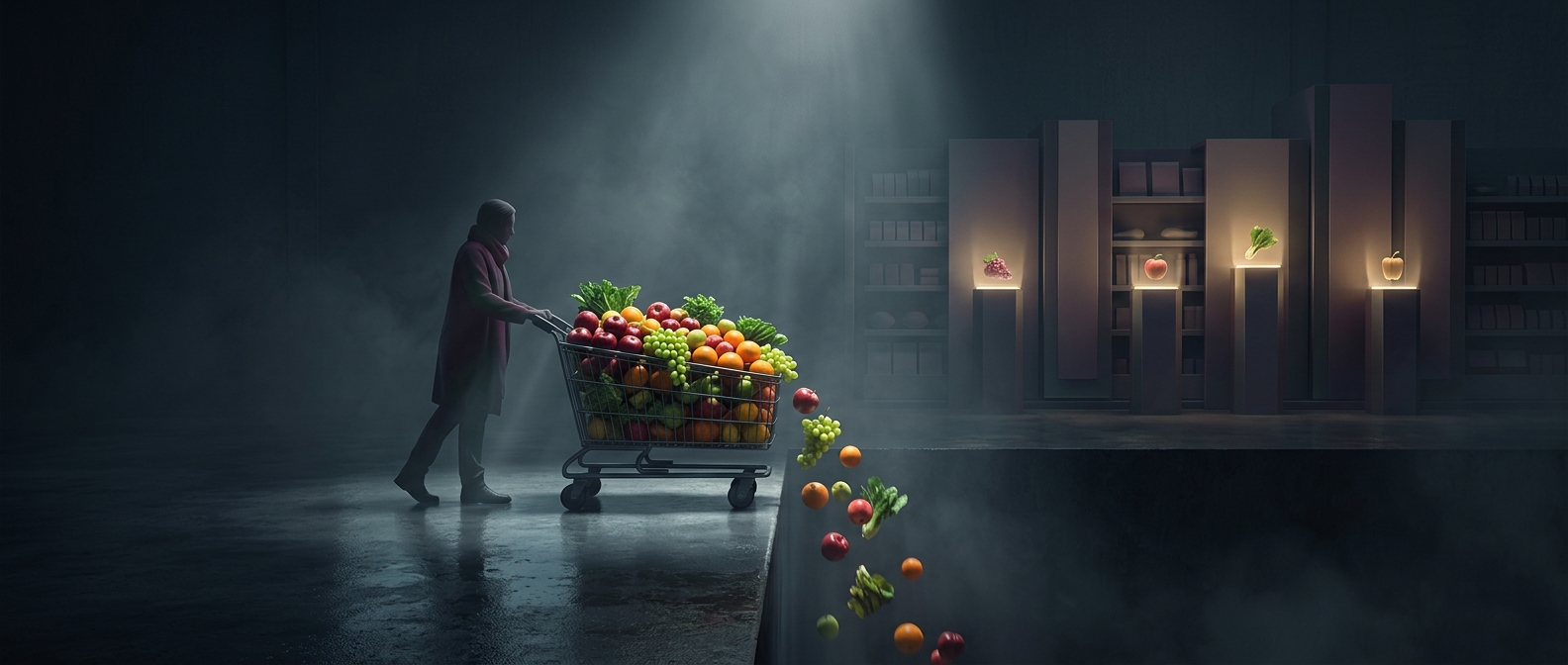
A produce display is doing two jobs: making food available and signaling abundance. When shoppers see a range of neatly arranged, unblemished fruit, the store looks well stocked. A bruised apple can disrupt that impression even if the bruise is only cosmetic and the fruit is safe to eat. Because appearance influences what people pick up, stores have a reason to favor produce that looks uniform.
Why Stores Order More Than They Expect to Sell
Perishable inventory is hard to predict. A store may order extra so popular items do not disappear before the next delivery, or so displays still look full during busy periods. But apples, greens, and other fresh foods have limited time to sell. If demand falls short, the remaining stock may become less attractive as it ages or gets handled.
That creates a tradeoff: ordering too little risks empty shelves and missed sales; ordering too much risks food that cannot be sold in time. Strict appearance standards make the second risk larger because edible items can lose their place on the display before they lose their usefulness as food.
The Cost of Looking Abundant
The waste is not simply the result of a store deciding that good food has no value. It can emerge from the incentives built into retail: shoppers expect attractive, full displays, while the store has to manage uncertain demand and short shelf lives. The same system that keeps produce looking plentiful can leave a bruised apple with no route to a sale—even when it is still perfectly good to eat.