How a slowdown can spread across São Paulo
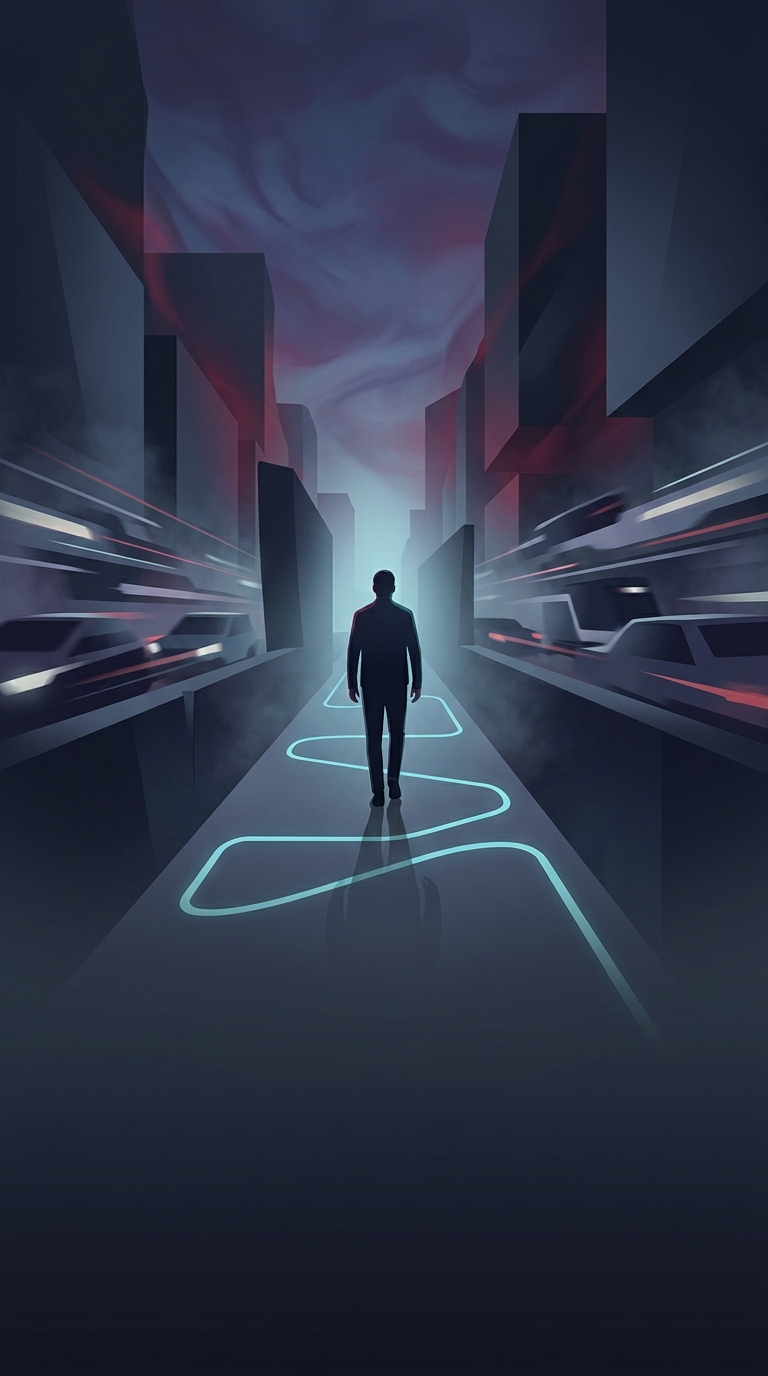
A traffic jam does not need a crash or a closed road to grow. On a crowded road, each driver leaves a small safety gap and reacts to the car ahead. When one vehicle brakes, the next may brake harder; the delay travels backward through the line even as the cars themselves move forward. If traffic is already near the road’s capacity, there is little room for that ripple to fade.
This stop-and-go wave can keep moving after the original cause has disappeared. Cars accelerate into a gap, then brake when they reach the next dense cluster. The result is uneven flow: a stretch of road may alternate between crawling and stopping, while more vehicles continue arriving from behind.
Why intersections make congestion harder to contain
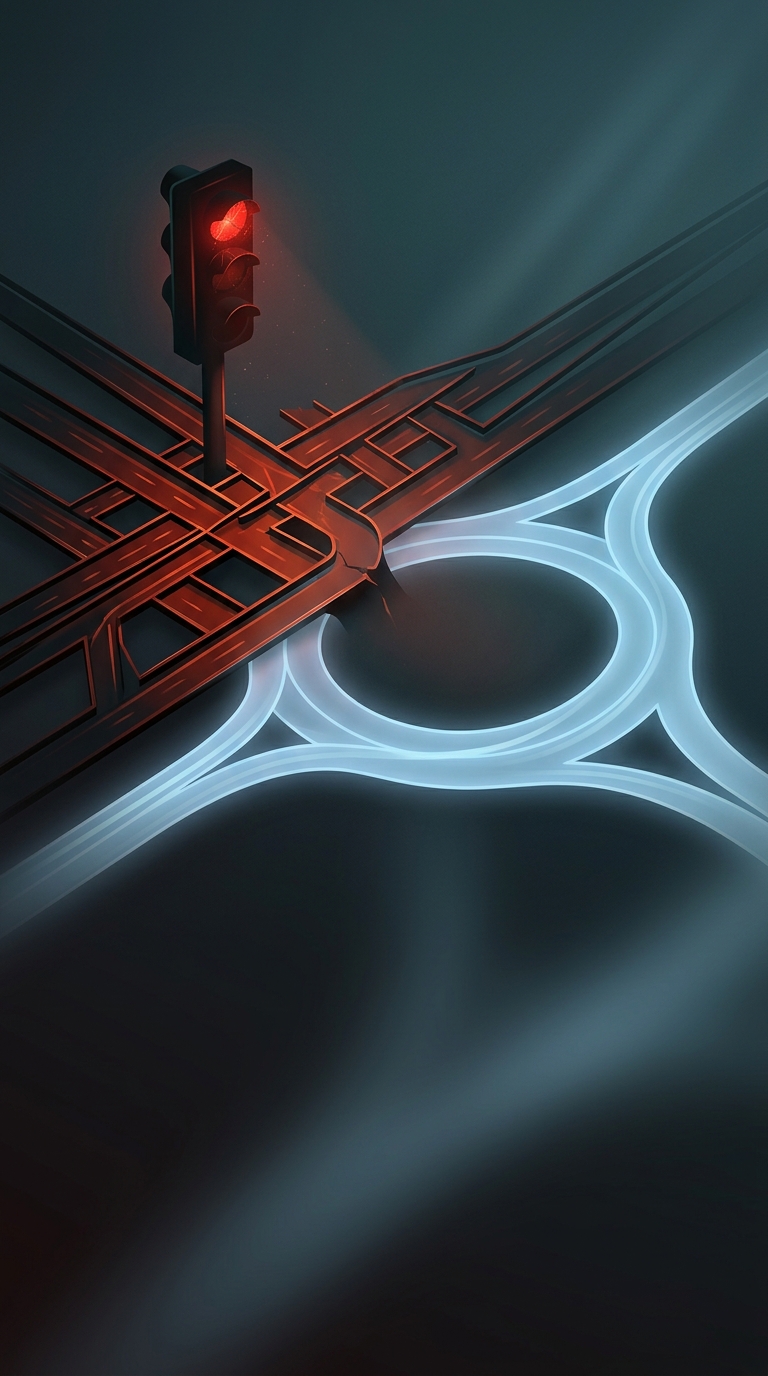
In a city, queues meet at junctions. If a line of cars extends beyond an intersection, vehicles may block cross traffic or prevent cars on the other road from clearing the junction. That reduces the space available to move in either direction. A queue on one street can therefore slow a connected street, whose own queue then reaches another junction.
This is called spillback: congestion spreads upstream until a queue obstructs the place where another stream of traffic needs to pass. Drivers seeking alternate routes can add pressure to nearby streets if those roads are already crowded. A jam becomes a problem for the network, not just for the lane where it began.
A citywide queue, not one simple line
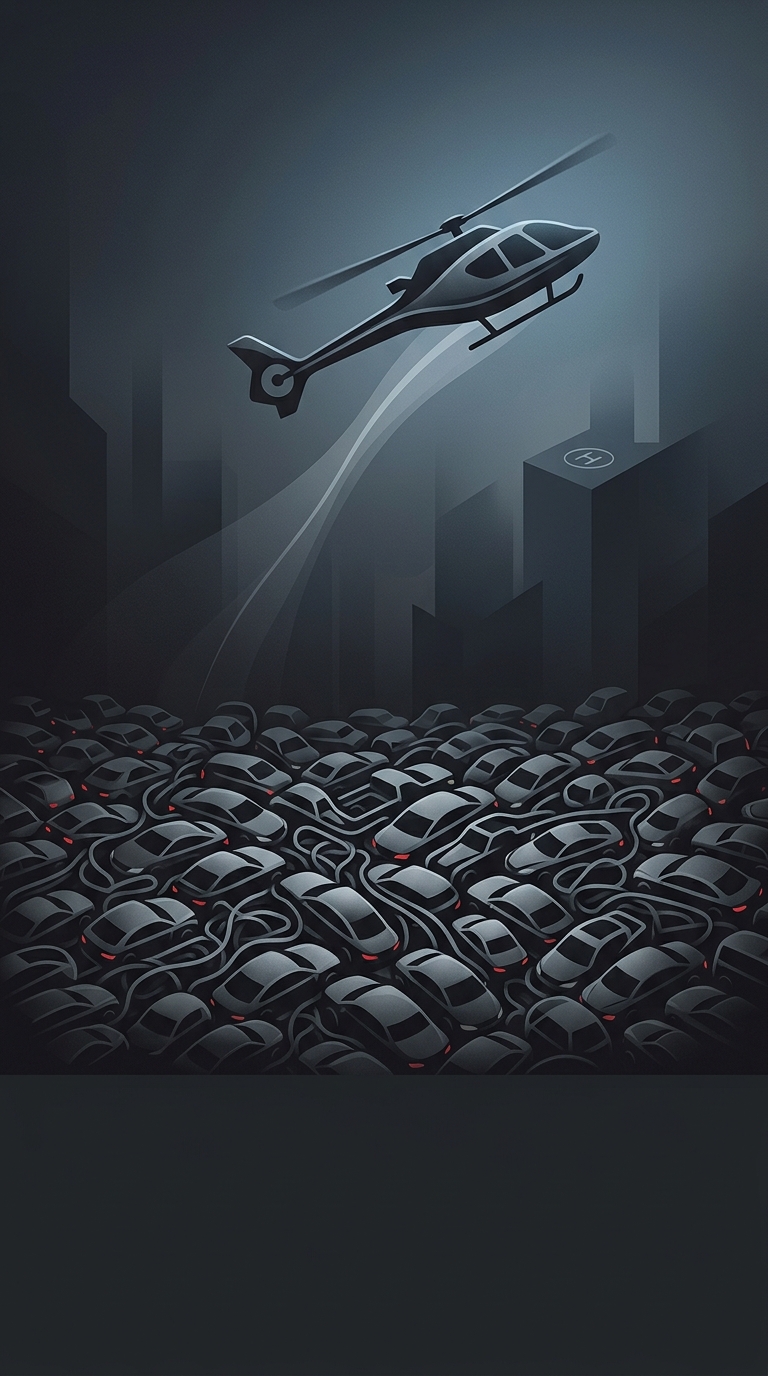
São Paulo’s reported 192-mile gridlock on November 15, 2013, is striking because it captures congestion spread across a vast road system. The distance is best understood as the reported reach of stalled traffic, rather than evidence of one unbroken line of cars. Once queues block intersections and connect with other queues, individual drivers can be caught in a jam whose causes lie several streets away—and whose total footprint is far larger than any single bottleneck.