The design removes the most dangerous crossing paths
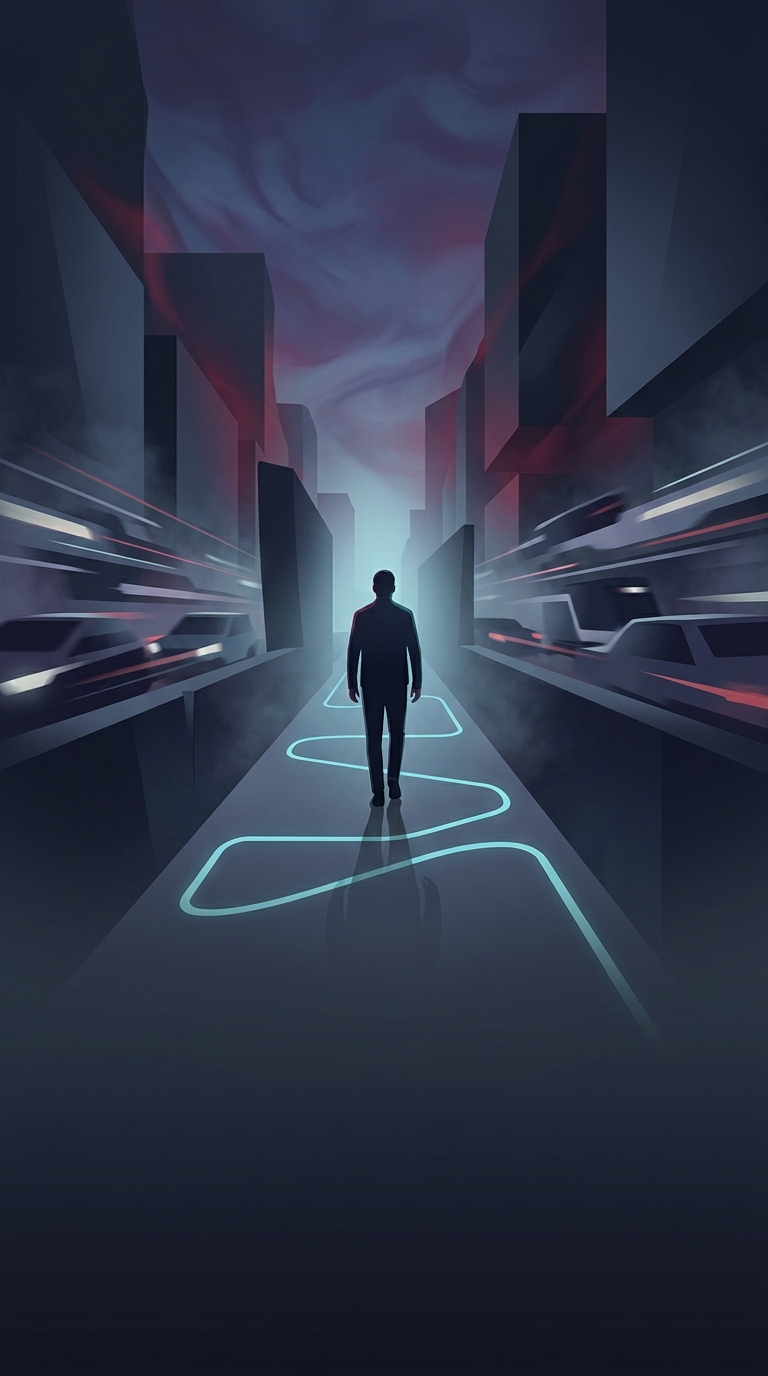
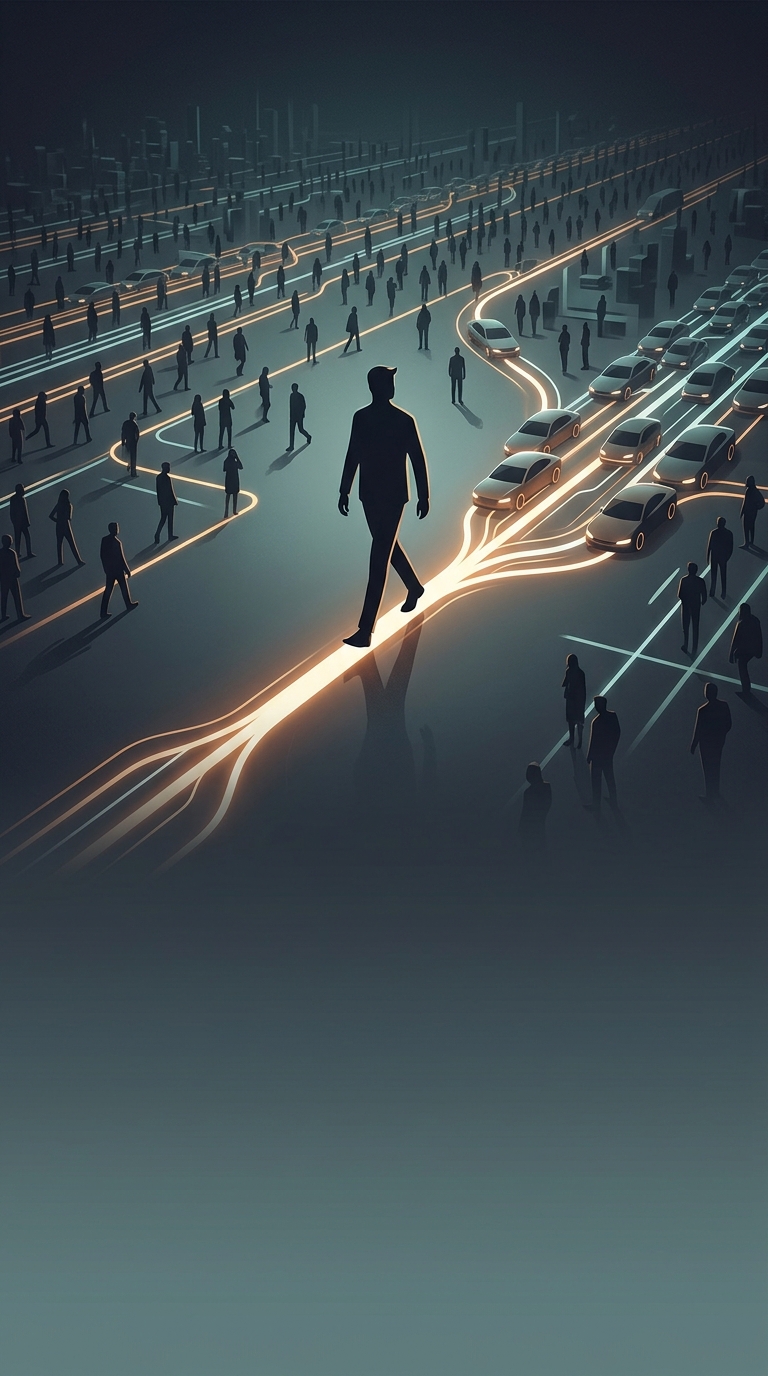
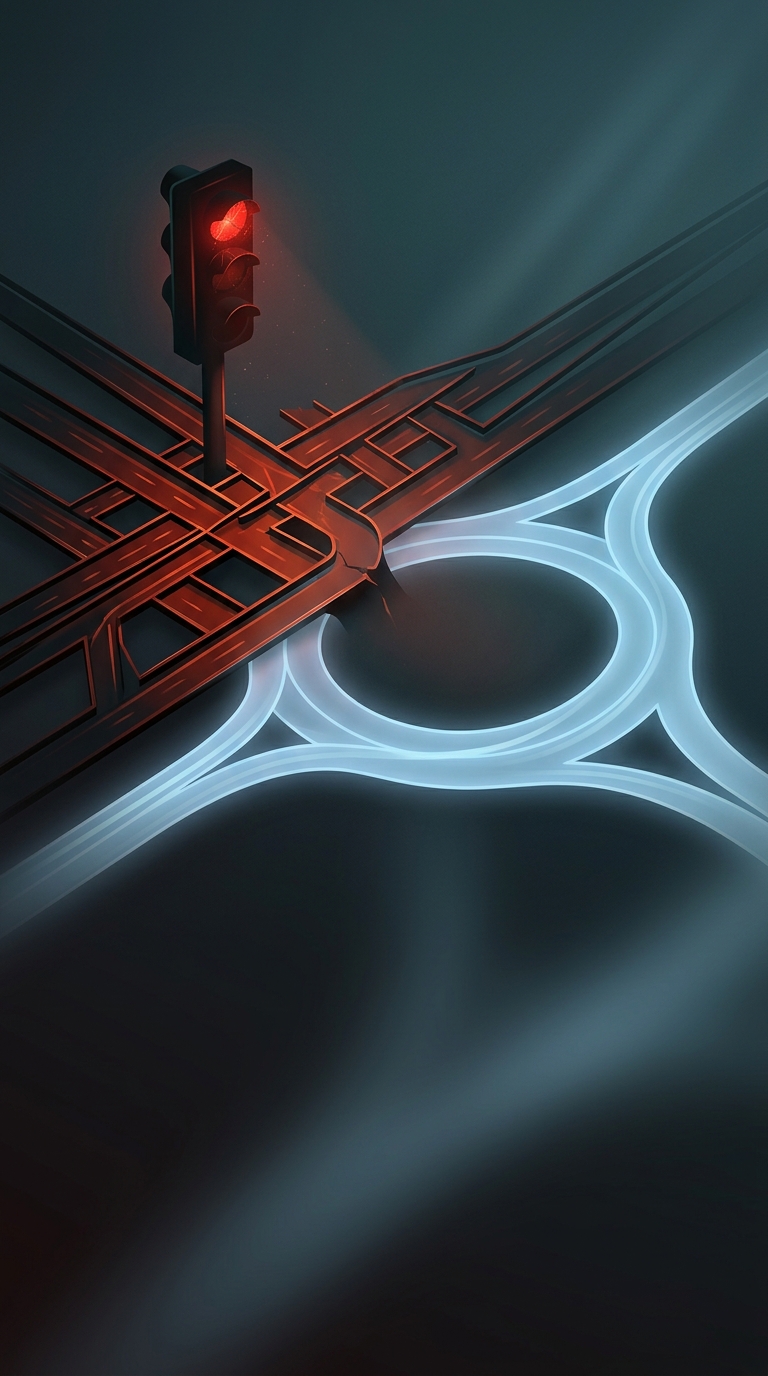
At a conventional intersection, vehicles can meet at right angles: one driver may cross directly in front of another, leaving little time or space to avoid a collision. A roundabout redirects traffic into a one-way loop, so entering vehicles merge with circulating traffic rather than crossing it head-on or at a right angle.
That change matters because crashes are far more likely to be deadly when vehicles strike broadside or head-on. In a roundabout, the remaining conflicts—such as a driver failing to yield while entering or another vehicle exiting—usually happen at sharper, glancing angles. The impact is more likely to push vehicles aside than to drive deep into a passenger compartment.
Curved geometry makes drivers slow down
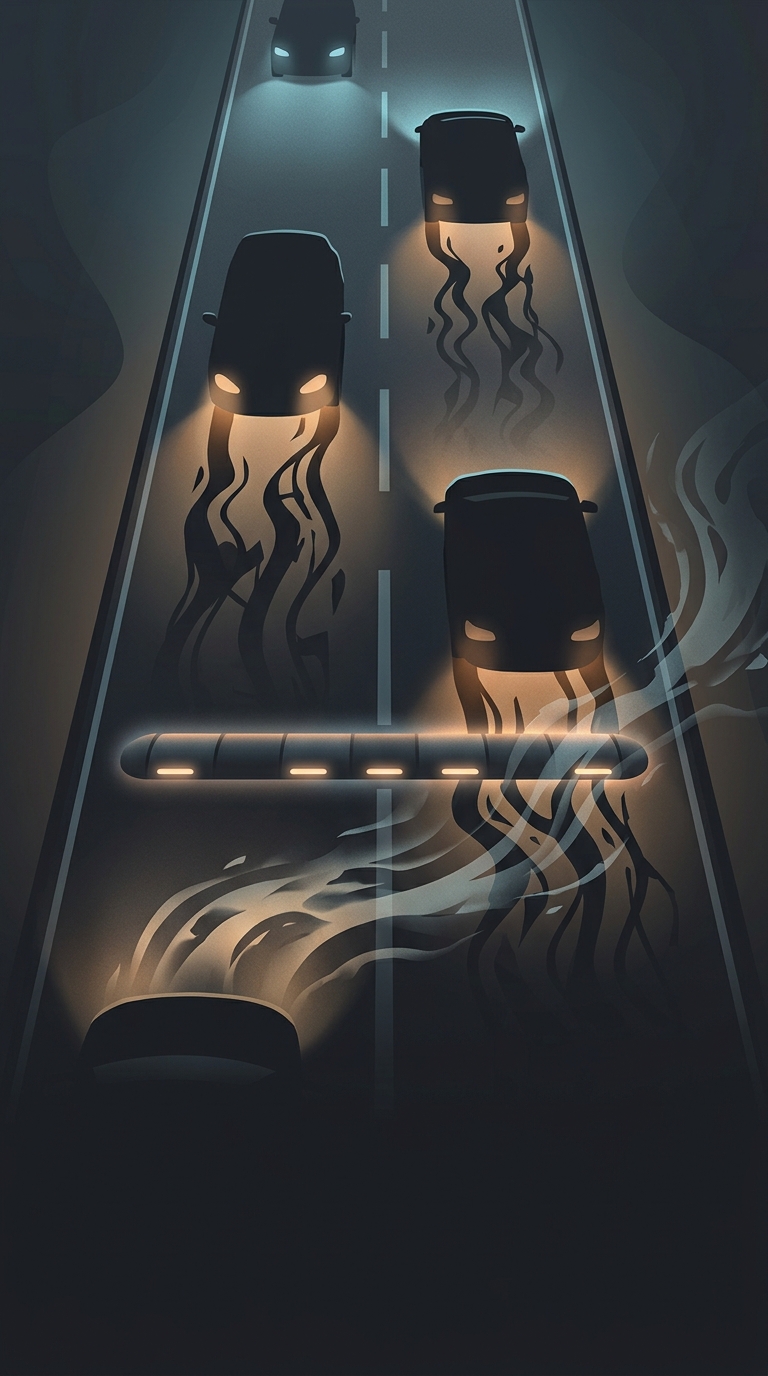
A roundabout does not rely only on signs or signals to control speed. Its central island and curved entry roads force drivers to steer through a bend. Drivers must slow to negotiate that curve, and the lower speed gives them more time to notice other vehicles and reduces the energy released in a crash.
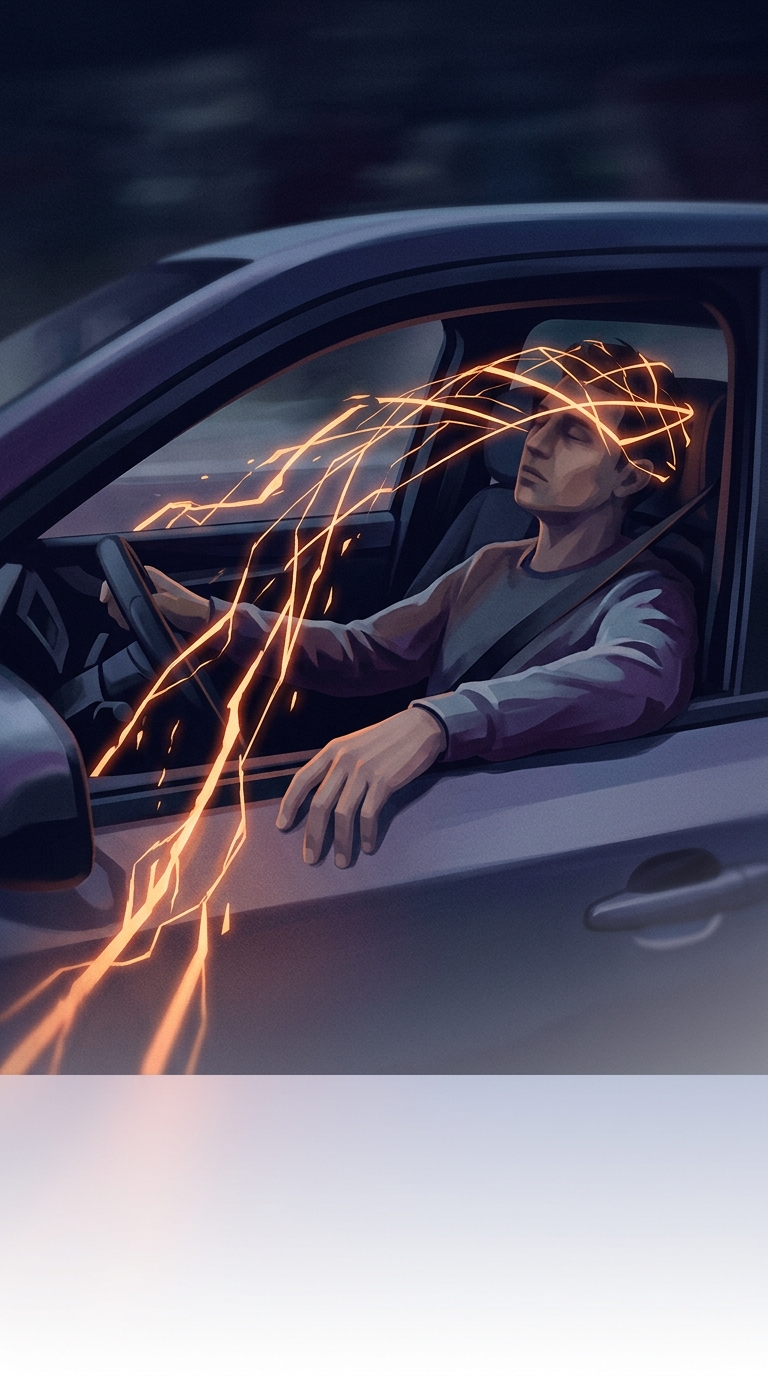
At a traffic-light intersection, a green signal can allow vehicles to travel straight through at higher speed. Signals manage who goes when, but they do not physically make a driver slow before reaching the crossing. A red-light violation can therefore produce a severe collision even when the intersection is operating as intended.
Fewer severe conflicts, not no conflicts
Roundabouts still require drivers to yield, choose a safe gap, and watch for people walking or biking. Their safety advantage comes from combining fewer direct crossing paths with lower approach speeds. In practical terms, that means a mistake is less likely to turn into a high-energy, right-angle crash—the kind of impact that can have catastrophic consequences.