Why filtering can reduce a motorcycle’s exposure to crashes
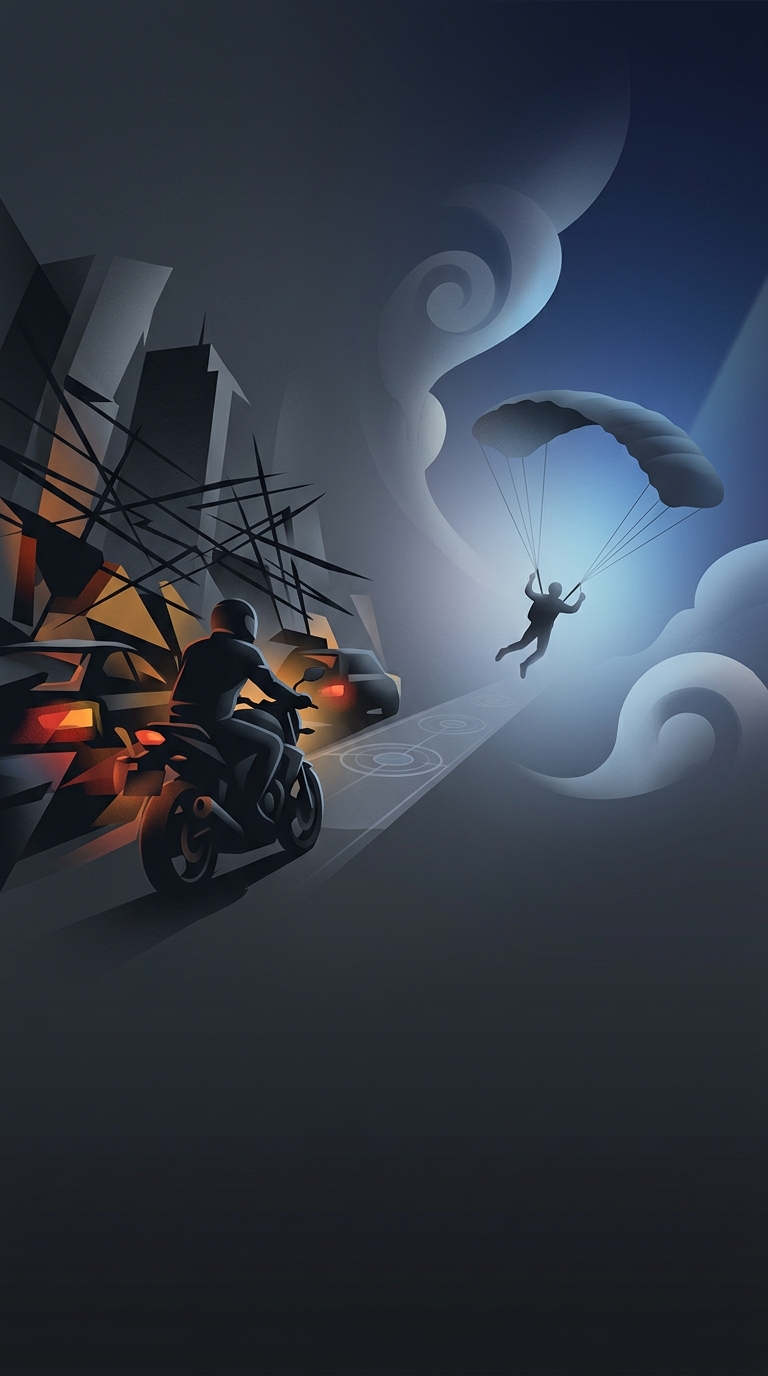
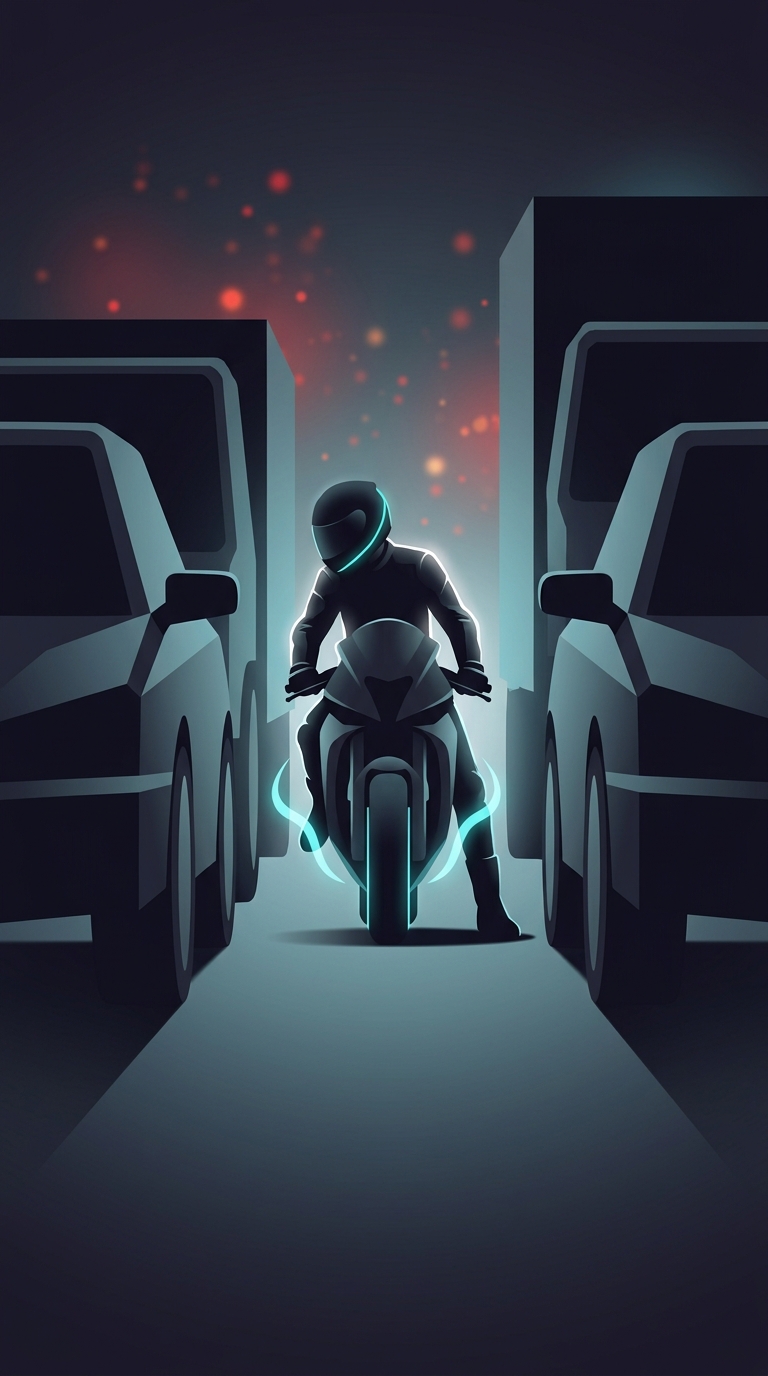
When traffic stops, a motorcycle that stays in line is vulnerable to being struck from behind. Cars have crumple zones and more mass to absorb an impact; a motorcycle offers little protection. Moving slowly between rows of stopped or crawling cars—often called lane splitting or filtering—can let a rider avoid waiting in that exposed position.
The safety advantage is not that the space between cars is inherently safe. It is that, in tightly backed-up traffic, a rider may pass the most dangerous part of the queue: the point where a following vehicle could fail to stop in time. If the rider moves only a little faster than the cars, the surrounding traffic also has more time to notice and respond.
Speed difference is the crucial tradeoff
A motorcycle threading through traffic has less room to react to a car changing lanes, a door opening, or a gap suddenly closing. The faster the motorcycle moves relative to nearby vehicles, the less time the rider has to brake or steer—and the more severe a collision may be.
That is why findings about lane splitting tend to depend on the conditions being compared. Slow, controlled movement past congested traffic is different from racing between cars that are moving quickly. The potential reduction in rear-end exposure does not cancel out the added risk of striking a vehicle that moves sideways.
The benefit depends on how it is done
Lane filtering is most likely to improve a rider’s odds when traffic is dense and slow, the speed difference is modest, and the rider can see enough space ahead to stop. It becomes much less forgiving when cars are changing lanes unpredictably or the motorcycle is moving too fast to respond.
The practical point is a tradeoff: a rider may exchange the risk of being hit from behind for the risk of being struck from the side. In a stopped queue, careful filtering can reduce exposure to one common crash scenario, but it is not a general guarantee of safety.