A greeting kept low and brief
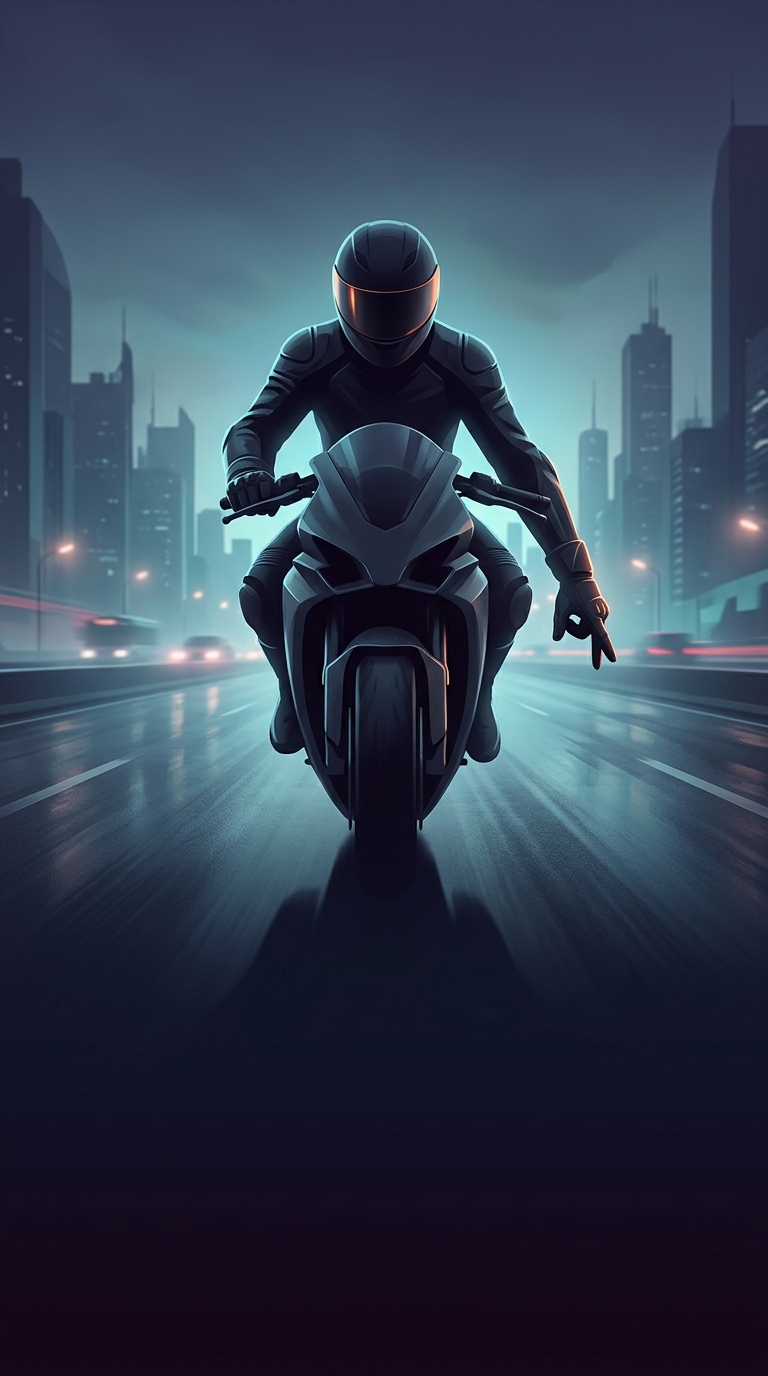
When riders pass, the two-finger gesture is usually a quick acknowledgment: a motorcycle version of a nod or wave. The fingers point toward the road, keeping the motion small rather than lifting an arm high into the air. Riders may use it to recognize one another’s shared experience on the road, though the custom is informal and not every rider uses it.
Why the right hand usually stays put
On most motorcycles, the right hand operates the throttle—the control that keeps the engine driving the bike—and often the front brake. The left hand is therefore the natural one to free for a momentary greeting. A low gesture also means less arm movement and less time with a hand away from the controls than an expansive wave would require.
That practical convenience matters most while bikes are moving. Riders need to keep their attention on traffic, balance, and the road ahead; the greeting is meant to fit into a passing moment, not interrupt it. It is still optional: if conditions make taking a hand off the handlebar unwise, a nod or no response is perfectly understandable.
A custom, not a road signal
The downward-pointing fingers are not a standardized instruction to other traffic. Their meaning comes from the setting: one motorcyclist briefly acknowledging another. The gesture’s simplicity is part of its appeal—a small movement that communicates recognition without asking either rider to stop or start a conversation.