A familiar map becomes a software joke
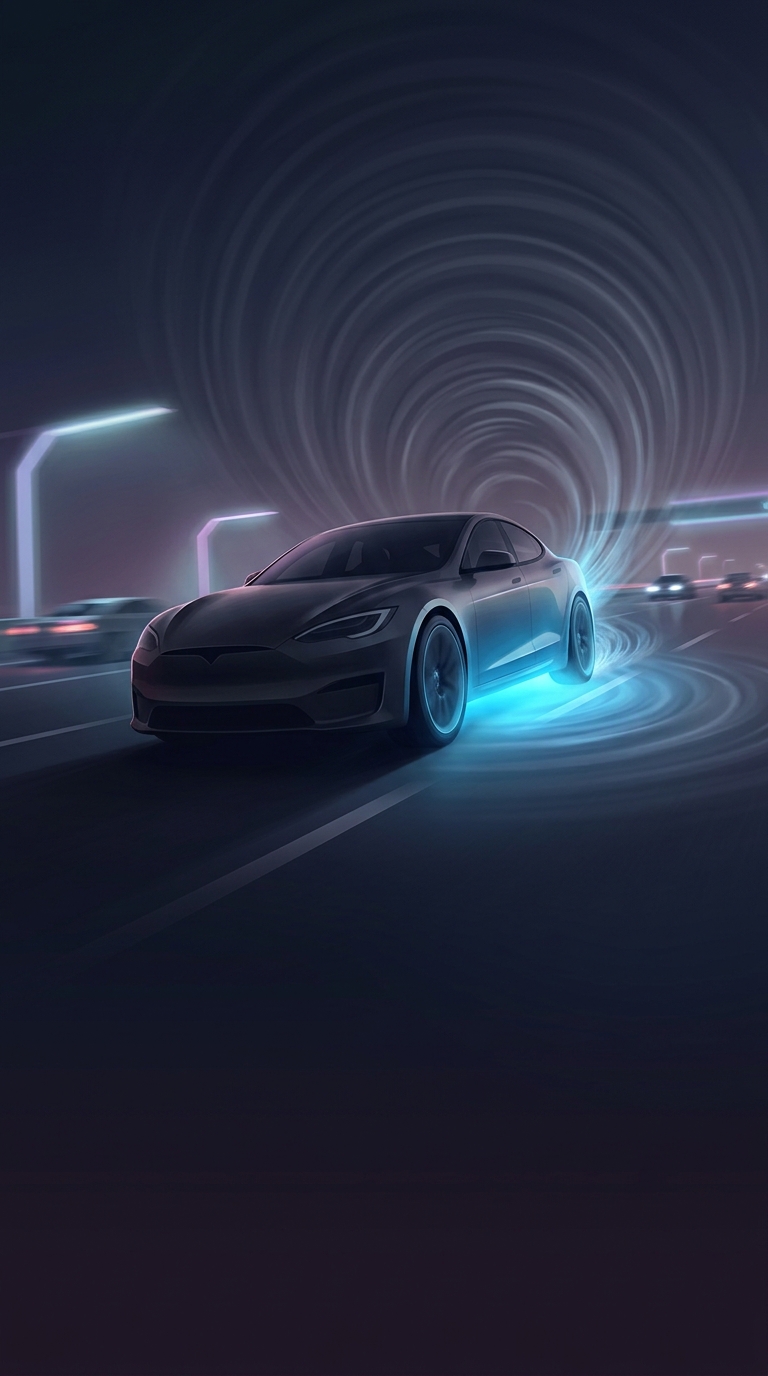
A Tesla’s Mars map is a visual Easter egg: the car’s touchscreen dresses its navigation display in a Martian theme. It does not send the vehicle to Mars or turn Earth’s roads into usable routes there. The trick is in the presentation layer—the software that draws the map and icons on screen—rather than in the location system itself, which still relies on the car’s position on Earth.
That distinction makes the joke work without changing what the navigation system is for. Drivers can encounter a playful alternate view while the underlying car remains an ordinary road vehicle. Other hidden features play on the same gap between software and machinery: a screen can cue holiday music, while a vehicle equipped with powered doors can make them move as part of a show.
Easter eggs make the car feel programmable
These surprises borrow an old software tradition: developers tuck optional, nonessential features into a product for curious users to discover. In a car, the touchscreen gives those features a natural home, but the effects can reach beyond the display when they control lights, speakers, or doors.
That creates a small design tradeoff. A vehicle’s controls need to stay focused on driving, so playful features are separate from the core tasks of steering and navigation. Their appeal comes from briefly making a serious machine behave like a toy—while the Mars on screen remains just a change in how Earth is drawn.