One extra loaf helped protect a baker’s livelihood
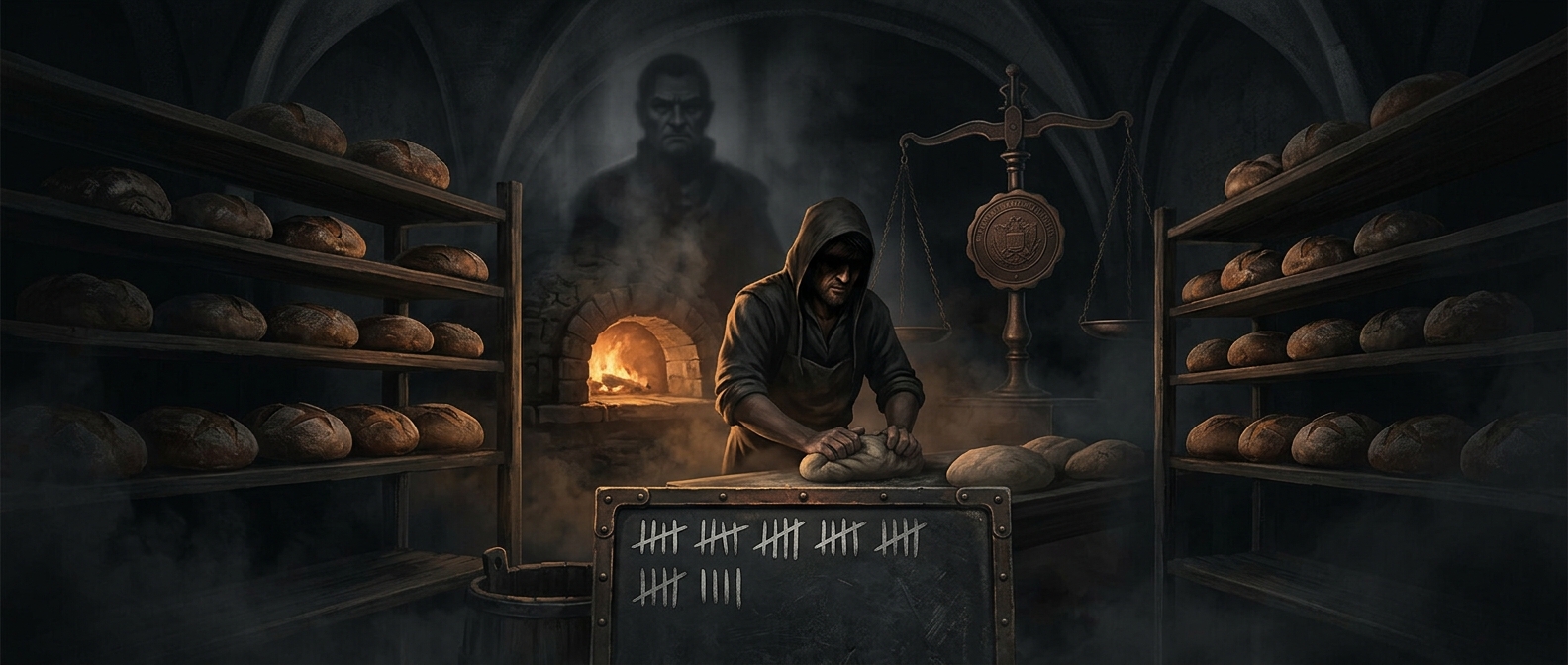
A baker’s dozen was more than a generous-sounding way to count. It was a practical buffer in a trade where the weight of bread mattered and a short measure could bring a penalty. If an order was for twelve loaves, adding a thirteenth made it less likely that a small shortfall in the batch would leave the customer with too little bread overall.
The buffer worked across the batch
Loaves were not perfectly identical. Differences in dough portions and baking could leave some lighter than others, so a baker faced a risk that a batch might come in under the required amount. The extra loaf added weight to the delivery without requiring every loaf to be oversized. It was a simple form of risk management: give up the cost of one loaf to reduce the chance of a more serious loss through punishment.
That safeguard was not free. The baker spent extra flour and labor, and the customer received more bread than the number ordered suggested. But the added loaf made the transaction safer under a system where being short could carry consequences.
A counting habit born from a tradeoff
The custom shows how regulation can shape an ordinary measure. The baker’s dozen offered buyers a cushion and gave sellers a way to cope with variation, while shifting the cost of that protection onto the baker. Over time, the extra loaf became part of the meaning of the phrase: thirteen was the safer way to deliver twelve.