The joke was the product
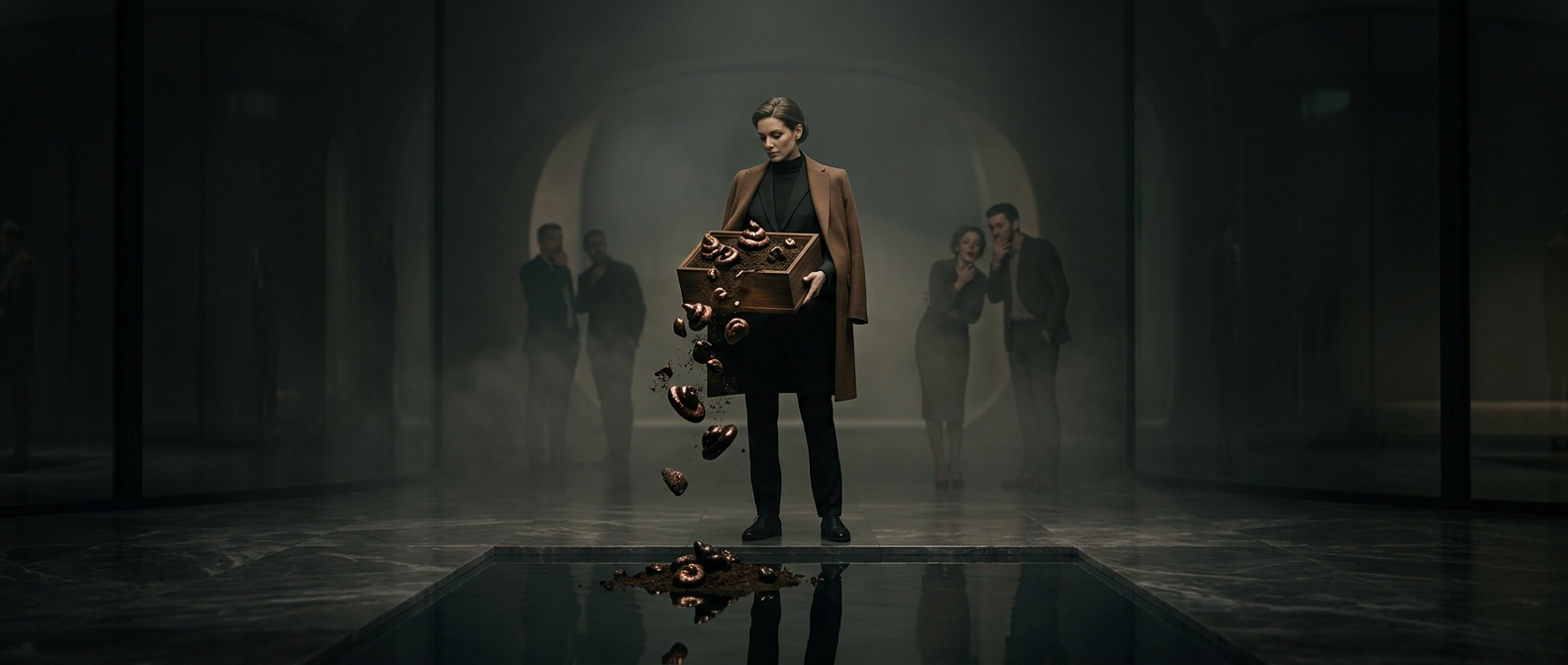
A box of bull feces has almost no practical value to most shoppers. That was the point: the offer made the usual promise of a Black Friday deal look absurd. Instead of claiming that a cheap item would improve your life, the sellers offered something plainly undesirable—and buyers knew what they were getting.
The purchase therefore worked on two levels. A customer received the literal contents of the box, but also took part in the prank: paying money for a deliberately useless object turned the transaction itself into the punchline. The low price made the joke easy to join, while the box made it tangible enough to give or show someone.
A protest that used the machinery of shopping
Black Friday encourages people to treat a bargain as valuable simply because it is discounted. This stunt borrowed that familiar format—an item, a price, a checkout—and inverted its logic. The “deal” did not hide a useful product behind clever marketing; it made the gap between price and usefulness impossible to miss.
That inversion also created a tension at the heart of the protest: people had to buy something to demonstrate their skepticism about buying things. The 30,000 purchases did not make the boxes useful. They showed how a deliberately ridiculous offer could turn consumer participation into the message—and make the protest itself memorable enough to sell.