A game with no easy finish
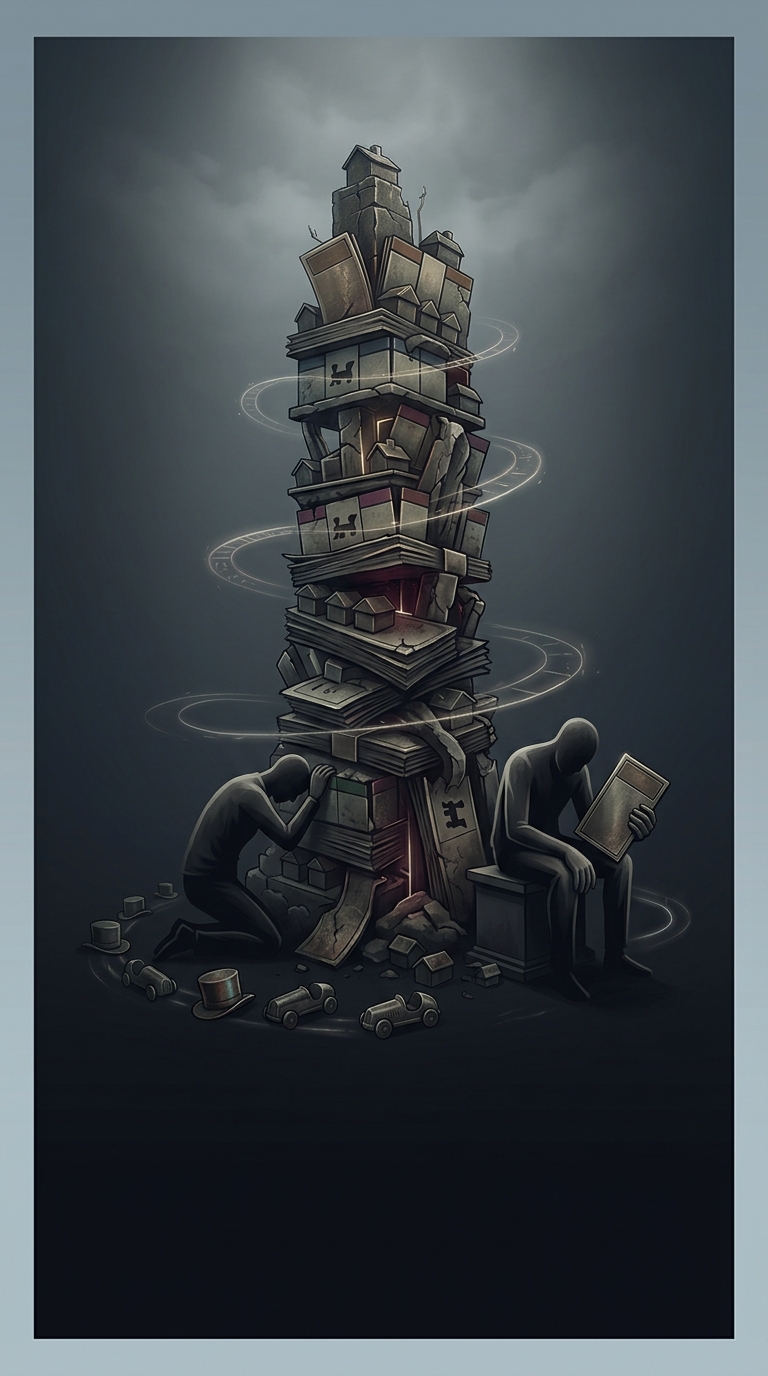
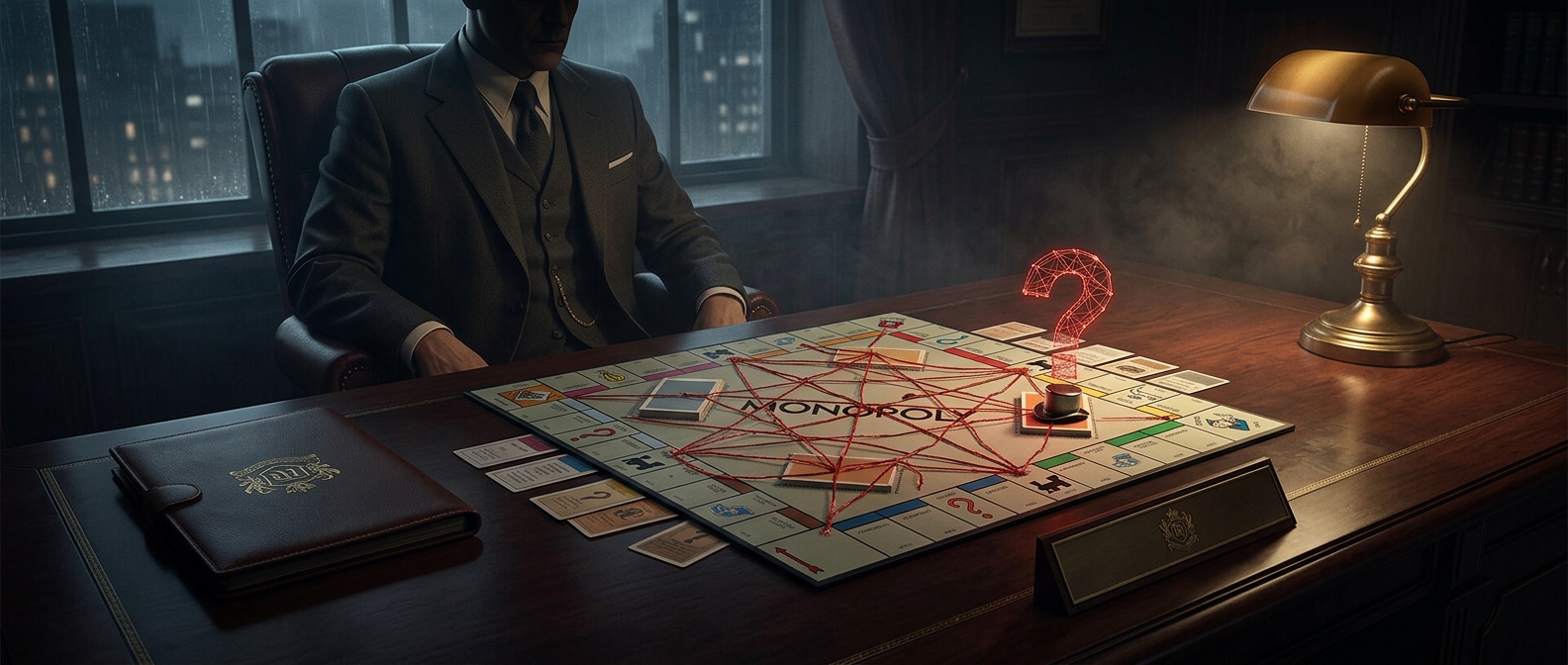
Monopoly’s central loop—buying property, charging rent, and trying to outlast the other players—also created its biggest design problem. As one player accumulated more assets, the others could be pushed toward bankruptcy, but reaching that point could take a long time. A game that kept players tied up for hours was a hard sell as an easy-to-enjoy family pastime.
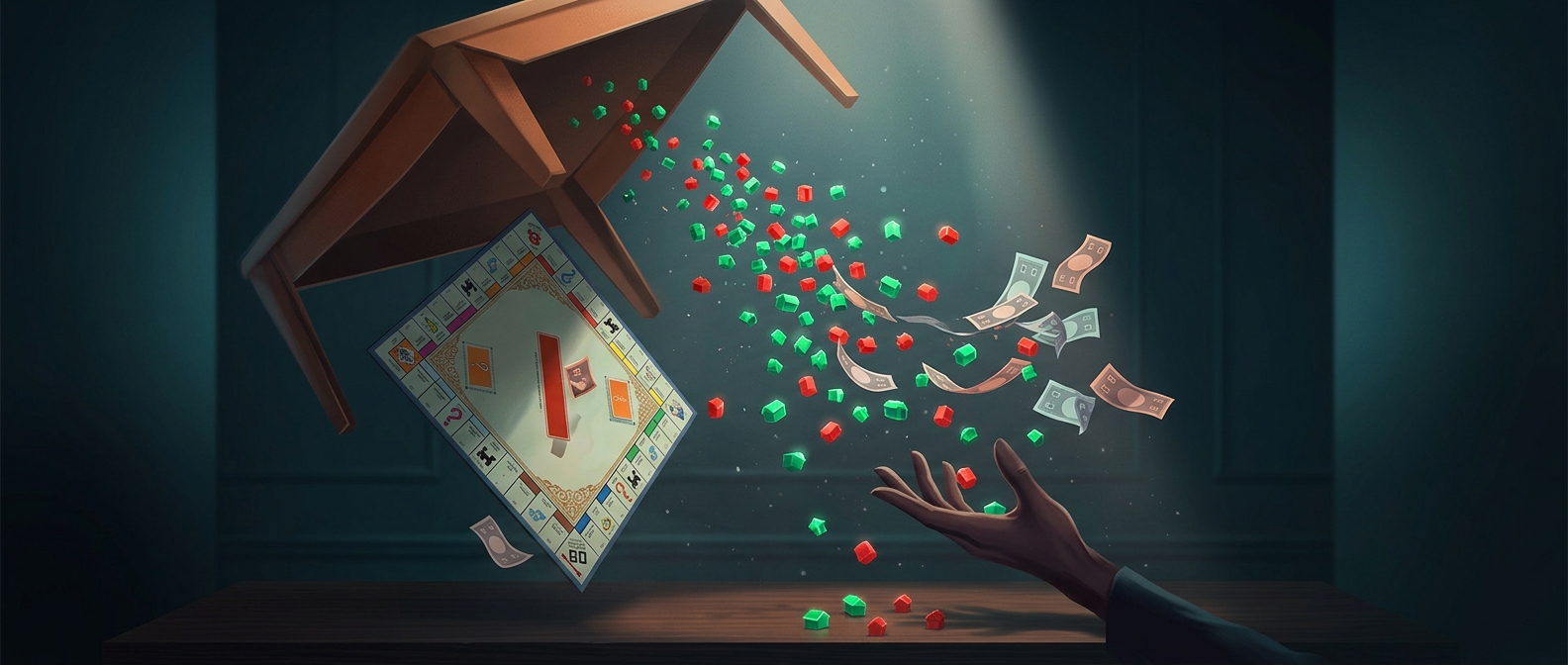
The rules added another obstacle. Buying and trading property, handling rent and other payments, and moving through a growing set of situations left room for confusion. If players had to stop repeatedly to work out what a rule meant, the game’s competitive momentum could stall.
Why the rejection changed
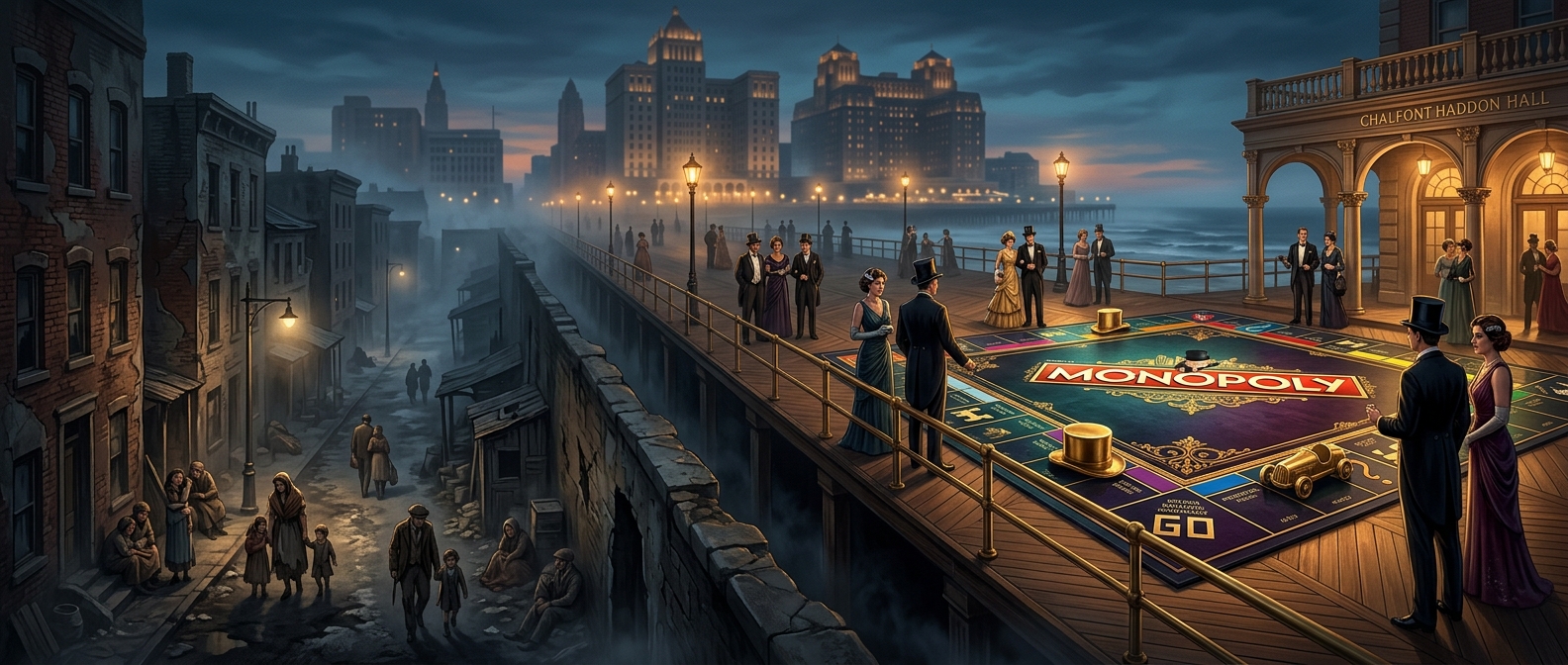
Parker Brothers initially saw those problems as reasons not to publish the game. But rejection did not end its path to players: Charles Darrow marketed it himself, and its success gave the company reason to reconsider. Parker Brothers eventually agreed to publish it.
That reversal reflects a familiar tension in game design: the same features that make a game strategically rich can also make it slow or difficult to learn. Monopoly’s property system offered players choices and rivalries, but it needed to find an audience despite the long sessions and tangled rules. The surprising part is that those drawbacks did not keep the game off store shelves; they became part of a game that millions learned to play.