How a Monopoly set becomes a rent trap
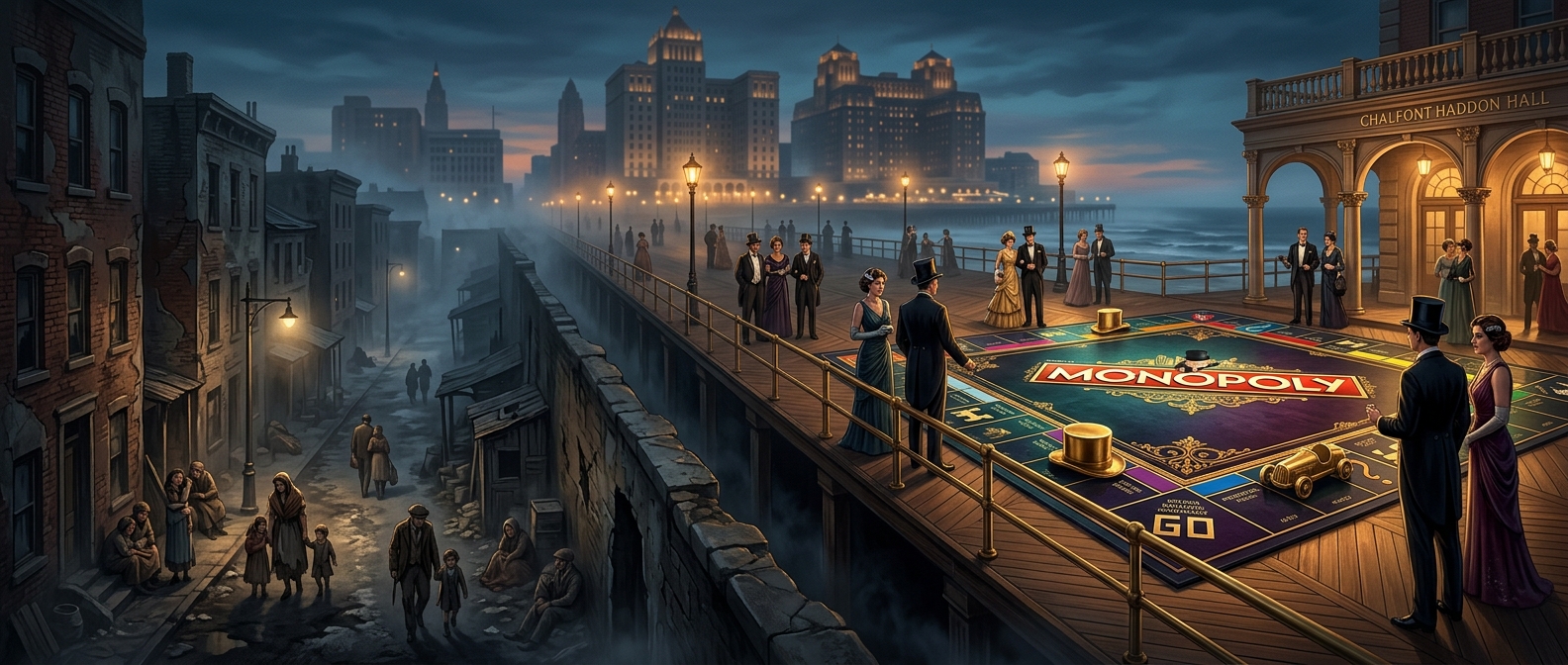
A property is most dangerous when it belongs to a complete color group. Owning every property in that group lets a player build houses, and each added house sharply raises the rent a visitor may owe. The threat is therefore not just a bad square: it is the payoff from an earlier stretch of trading, buying, and luck that helped one player assemble a set.
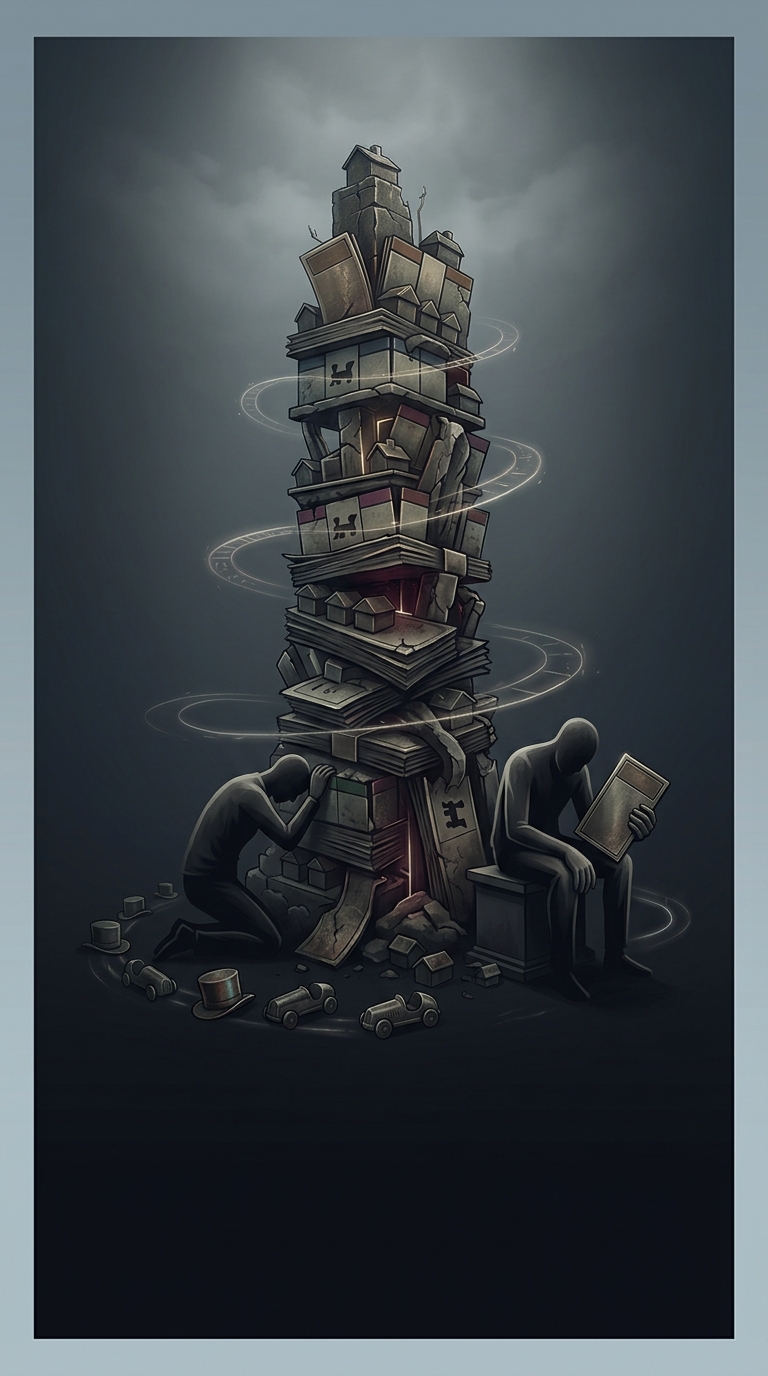
That creates a feedback loop. Rent paid to a successful player drains the visitor’s cash, while giving the owner more money to buy or build elsewhere. The player falling behind has fewer resources to recover with, so one unlucky landing can make the next costly landing harder to survive.
Why the argument feels personal
The rules turn ordinary table talk into consequential choices. A trade can complete someone else’s color group; refusing to trade may leave both players stuck with incomplete sets. Players are also making deals with relatives or friends, so a decision that is strategically sensible can feel like a betrayal once the new houses appear.
When a player cannot pay what is owed, they may have to sell buildings, mortgage property, or go bankrupt. Bankruptcy removes them from the contest, and their assets can shift to another player under the game’s rules. The result is a showdown that can become more lopsided as it goes on: one player’s growing property empire is funded, in part, by everyone else’s shrinking options. A family may begin by haggling over a trade and end with a single roll deciding whether someone stays in the game.