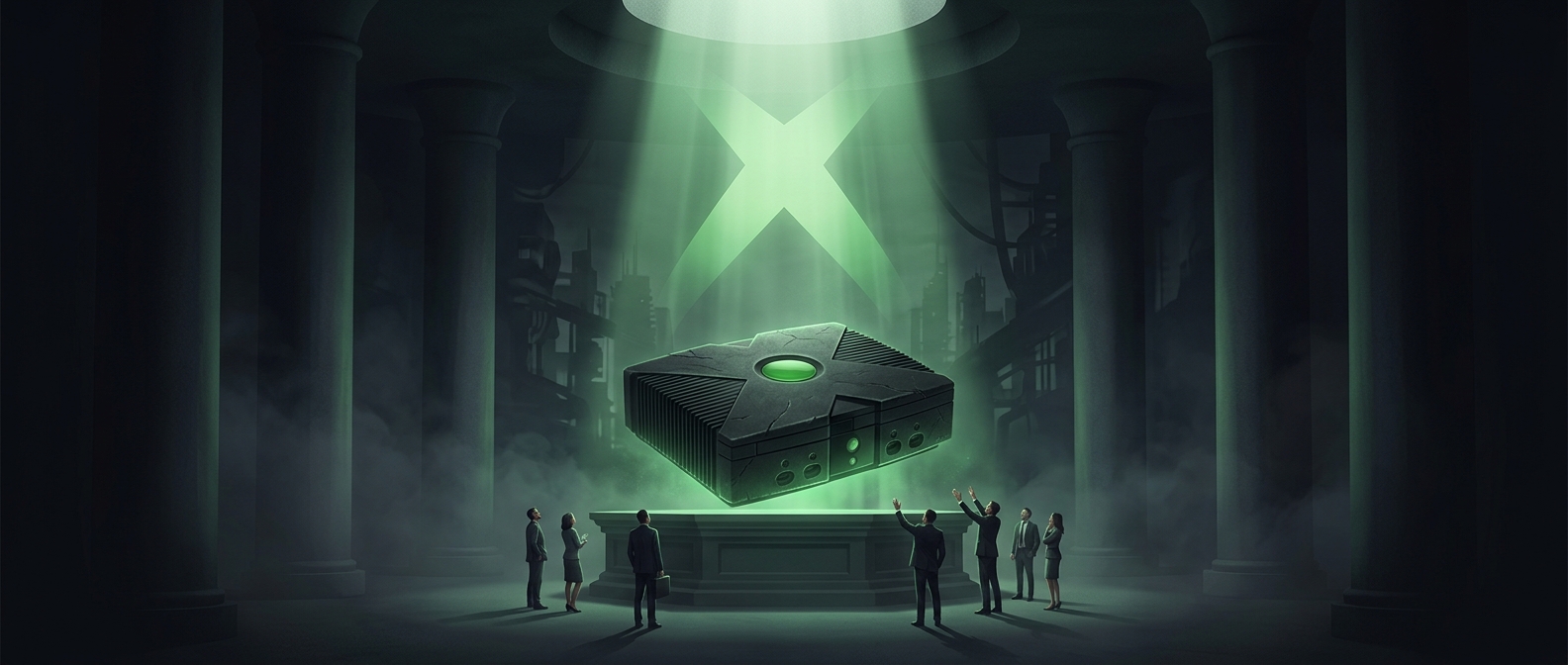
The Console Was the Down Payment
A game console can be more than a product to sell. It can be an entry point to a market: once a player owns the hardware, they may buy games that generate continuing revenue for the platform holder. That creates a tempting strategy—sell the machine below its cost, or even give it away, and try to earn the money back through game sales.
The arithmetic depends on what happens after the giveaway. Each console handed out creates an immediate cost. The company makes that bet expecting enough owners to buy enough games, over time, to cover the hardware subsidy and then contribute profit. A larger audience can also make a platform more attractive to game makers, giving players more reason to stay and buy.
Why the Bet Could Become Dangerous
The costs arrive before the hoped-for returns. A company must fund the hardware for every recipient, while game purchases depend on how many people actually use the system and how much they spend. If adoption is slow, players buy fewer games than expected, or the subsidy is too large, the losses can pile up faster than sales can repay them.
That timing matters especially for a new console business: it cannot assume in advance that a large audience will form. Giving the original Xbox away could have accelerated adoption, but it would also have multiplied the amount Microsoft had to risk up front. The concern was not simply whether games could make money; it was whether the division could survive long enough for those sales to catch up.
The proposal exposed the central tradeoff of a console platform: lower hardware prices can help build an audience, but every discount is a wager on future purchases. A free console would not have made the Xbox business free to run—it would have moved the bill from players to Microsoft, with no guarantee of when, or whether, the games would repay it.