Why a Number Can Change How a Game Feels
Frame rate is the number of images a game displays each second. A higher rate can make movement look smoother, but the rhythm matters too: if the time between images keeps changing, motion may feel uneven even when the average rate sounds impressive. In a fast platformer or fighting game, those differences can affect how clearly players read a jump or how promptly a button press seems to register. That makes frame rate a practical design question, not just a spec-sheet contest.
What Retro Games Ask Players to Notice
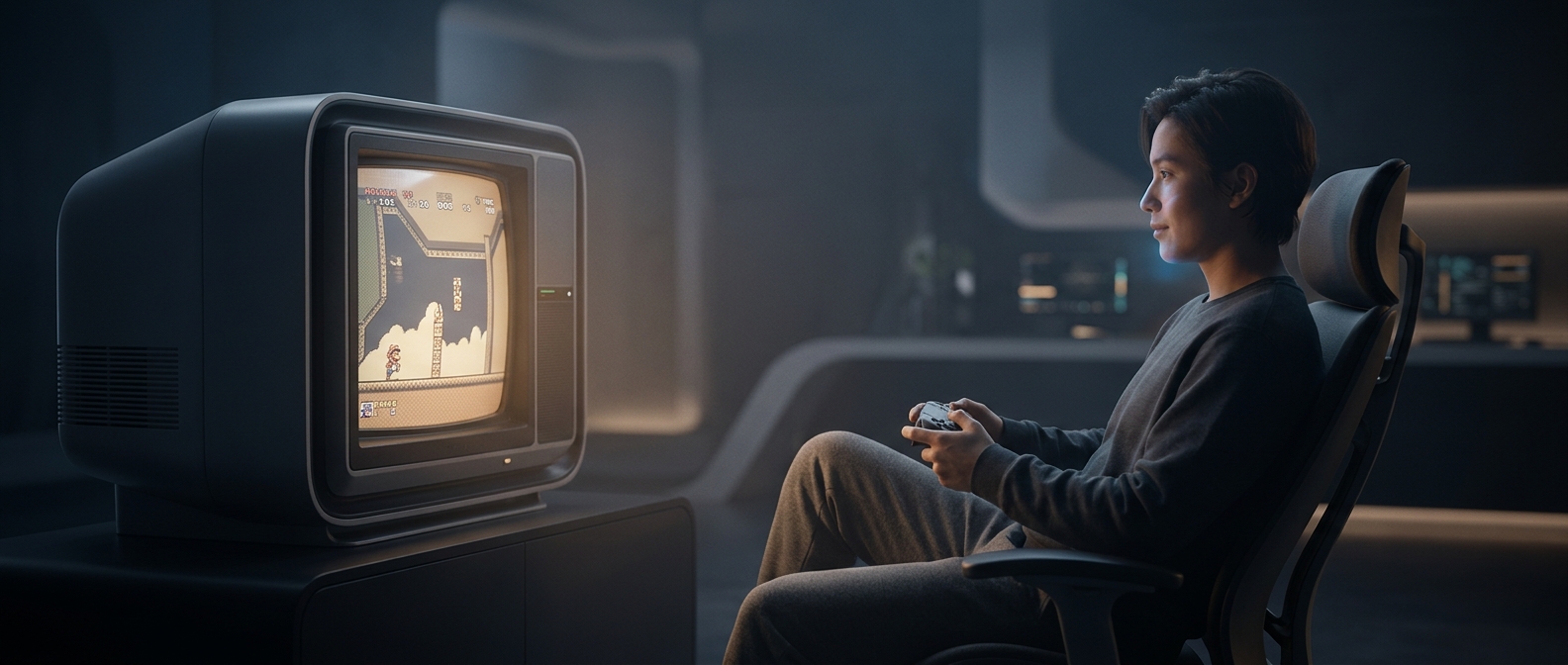
Older games were built around the hardware and display conditions available at the time. Their movement, animation, and timing often work as a package, so a game can feel deliberate and readable without looking like a modern release. When a classic is emulated or rereleased, changing its speed or timing can alter that feel; preserving the original rhythm may matter more than making every motion appear smoother.
Players can therefore care deeply about frame rate in one game and happily play another with simpler, less fluid animation. The difference is whether the timing supports the experience they want. Technical smoothness is one kind of polish; a strong game can earn affection through responsive controls, memorable design, or the pleasure of simply starting another round.