Why CPR Can Break Ribs
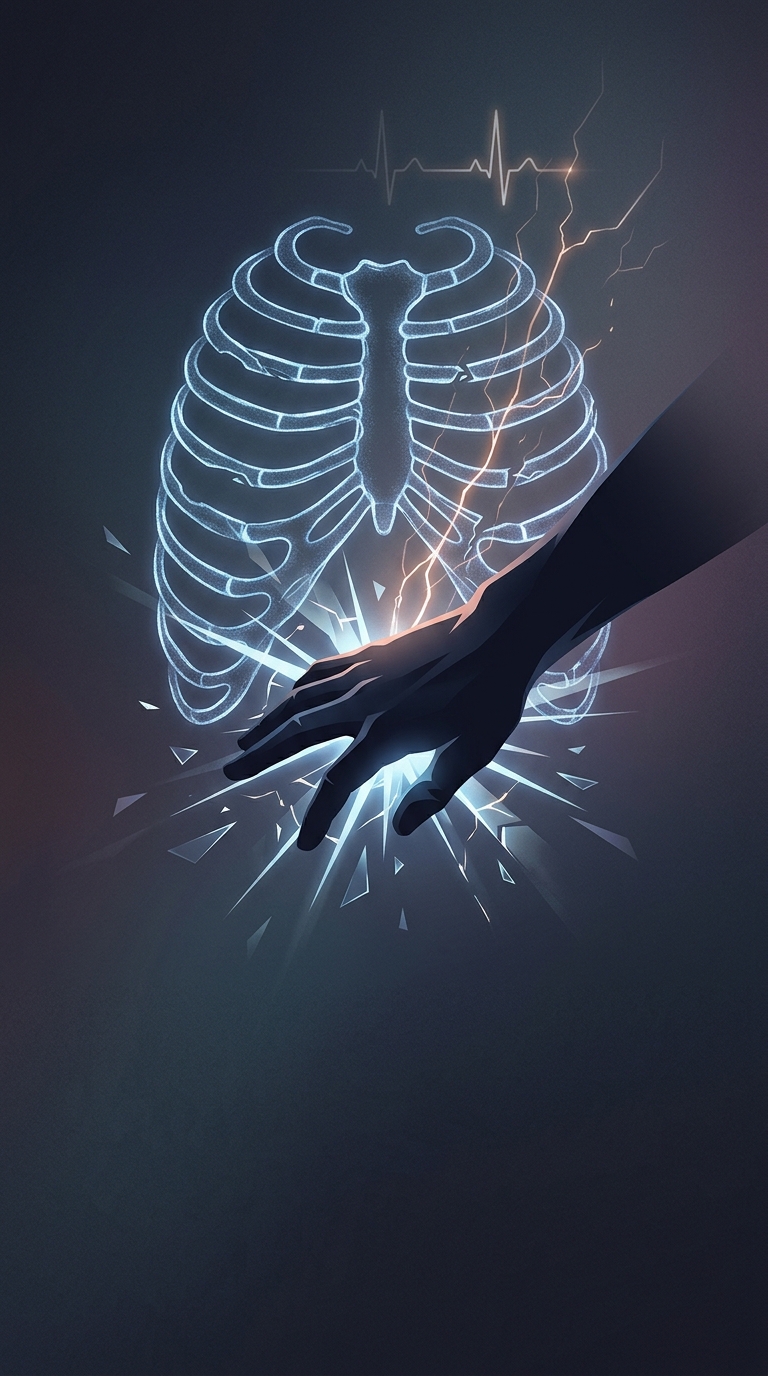
Chest compressions work by pressing the breastbone down repeatedly to move blood through the body. That takes substantial force. The ribs and breastbone help protect the heart and lungs, but they can crack or break under the pressure—especially in older or more fragile adults. Such injuries are a known consequence of CPR, not proof that the rescuer did something wrong.
A crack or a sudden change in how the chest feels can be alarming, but it does not by itself show whether the person has been seriously injured or whether CPR is working. The urgent priority is to keep compressions going and follow emergency-dispatch instructions until professional help takes over.
Survival Is Not a Movie-Style Awakening
CPR is meant to circulate some oxygenated blood while the heart is not pumping effectively. It may help preserve the brain and other organs and buy time for treatments such as defibrillation; it does not necessarily restart the heart on its own. Even when a person survives, they may need hospital care and recovery, and chest injuries may be found afterward.
That tradeoff is stark: compressions can cause real damage, but without circulation the danger is immediate and potentially irreversible. The force that can break a rib is also what can keep blood moving long enough for further treatment to work.