How Four Quadriceps Muscles Pull on One Knee
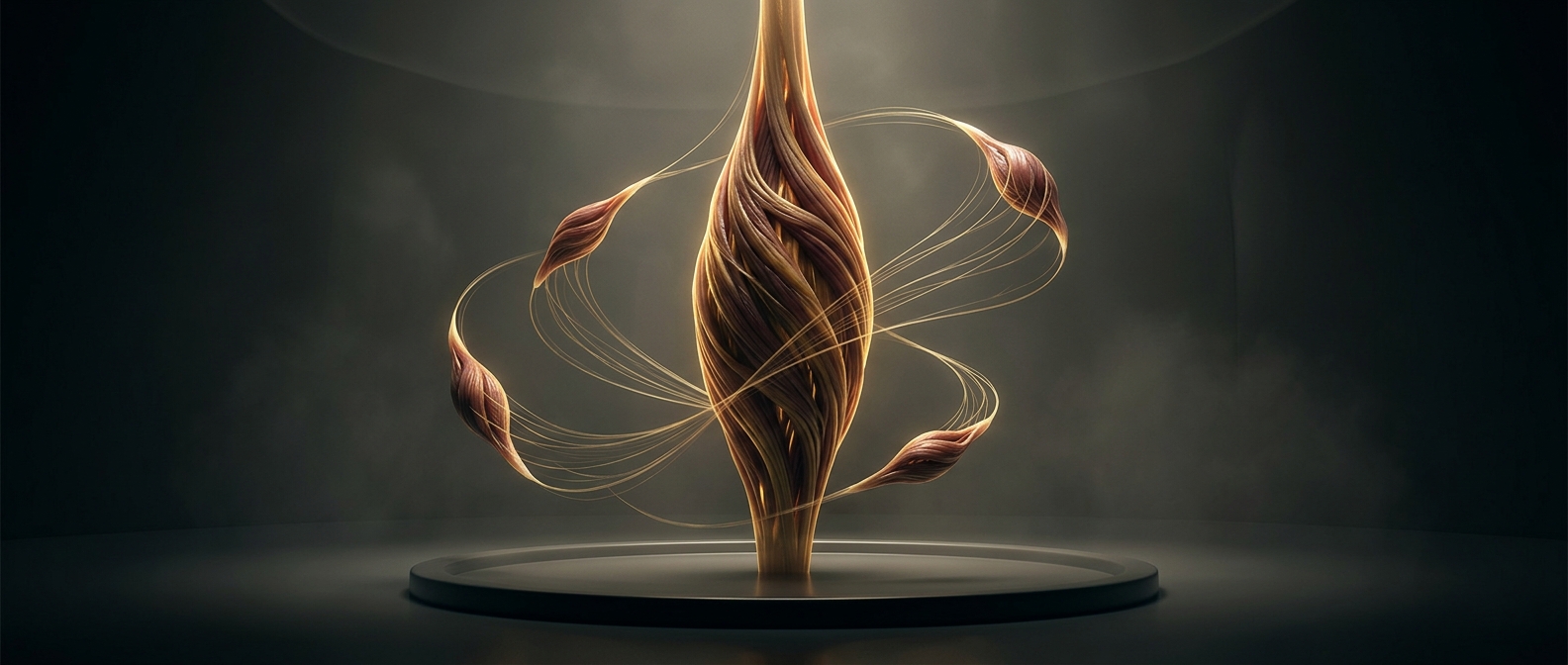
The quadriceps are a group of four muscles at the front of the thigh: the rectus femoris and three vastus muscles. They are distinct muscles, not four sections of a single muscle. Their arrangement gives the knee a strong, coordinated pull while allowing each muscle to contribute from a different position.
The vastus muscles begin on the thighbone and act mainly at the knee. The rectus femoris also crosses the hip, so it can help lift the thigh as well as straighten the knee. Together, the four muscles contract to extend the leg—for example, when rising from a chair, climbing stairs, or kicking.
From Muscle Force to a Straightening Knee
At the lower end of the thigh, the muscles’ force passes into the quadriceps tendon, which attaches to the kneecap, or patella. A strong band below the kneecap—the patellar ligament—then carries that force to the shinbone. When the quadriceps tighten, this connected chain pulls the shin forward and straightens the knee.
The kneecap is more than a protective cover. It sits within the tendon and helps keep the tendon’s pull at a useful angle as the knee moves. That improves the leverage the quadriceps can apply, much as a pulley can redirect a pull.
Why the Shared Pull Matters
Because the muscles converge on one tendon, the knee receives their combined force through a single attachment pathway. The muscles can still contribute differently: their positions and the rectus femoris’s additional hip-crossing role affect what they do during movement. But for straightening the knee, they work as a team. The same arrangement that makes powerful movements possible also means that damage to the tendon or kneecap can disrupt force from the whole group.