Why the Back Teeth Get the Force
The masseter is the thick muscle at the side of the jaw that you can feel tighten when you clench. It raises the lower jaw, but it does not act alone: the jaw joint and the point where the teeth meet determine how the muscle’s pull becomes a bite.
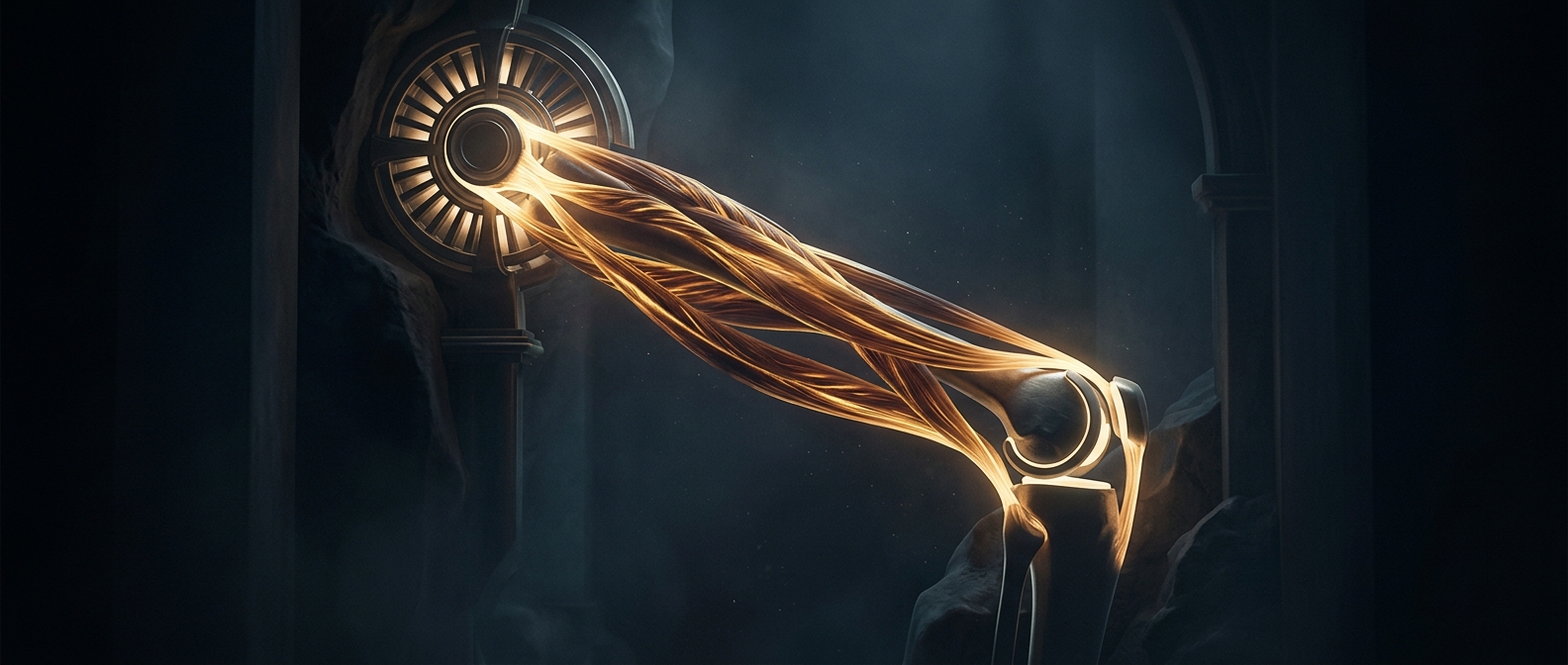
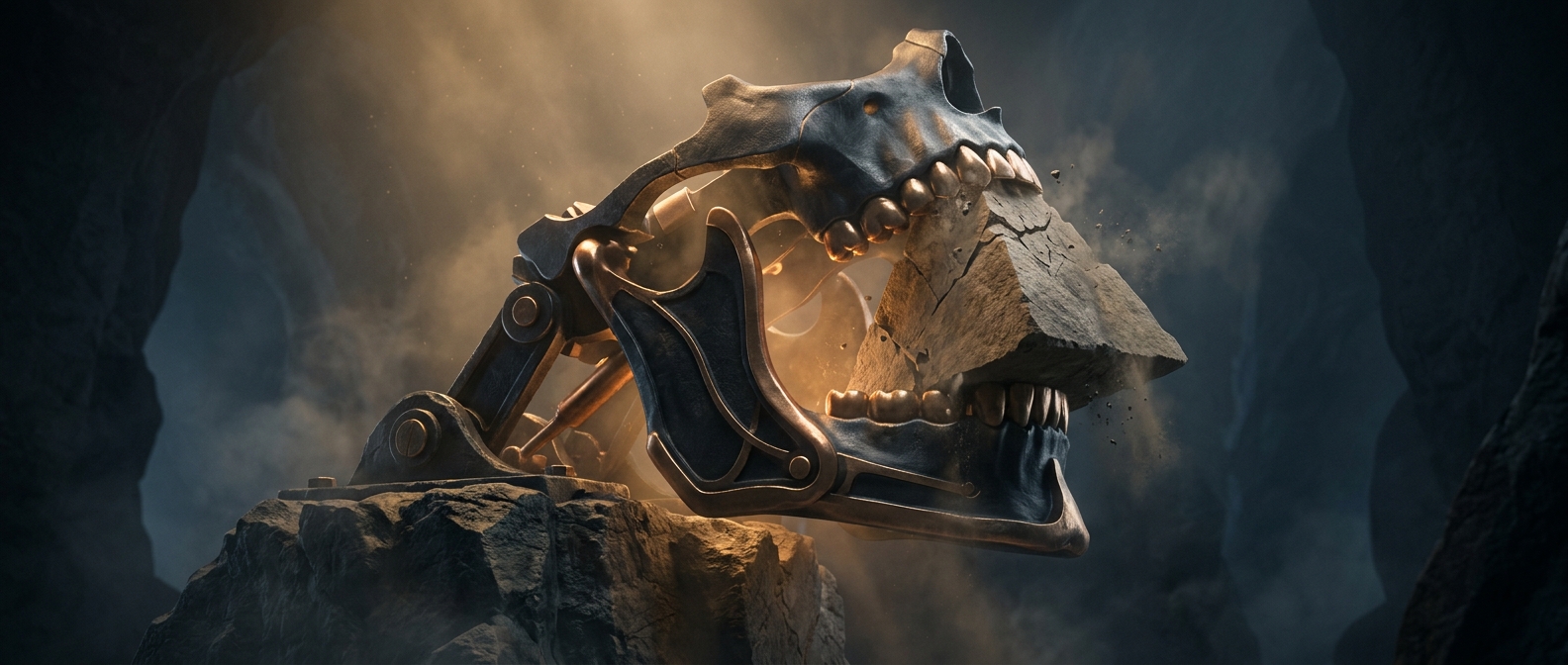
The jaw works as a lever. The chewing muscles apply force near the back of the jaw, while the jaw joint serves as a pivot. Because the molars are also relatively close to that pivot, they can receive a strong push when the muscles contract. The front teeth sit farther from the joint, so the same muscle effort does not produce the same force at every tooth.
Force Is Not the Same as Pressure
A figure such as 200 pounds describes force, not the weight of something the teeth could lift. Pressure depends on how that force is spread across the contact area. A broad, even contact distributes it; a small or uneven contact concentrates it, which is one reason a hard bite can stress a particular tooth.
Actual bite force varies with the person, the position of the bite, and how hard the muscles are working. The headline figure is therefore a measure of what the jaw can deliver under forceful conditions, not what happens with every ordinary chew.
A Powerful System With Limits
The jaw’s leverage makes it effective at crushing food, but teeth and the jaw joint still have to withstand the load. Clenching can press the teeth together without food to cushion the contact, placing repeated strain on those structures. The same mechanism that makes the molars useful for breaking down tough bites also explains why a forceful clench is not harmless.