When a choice changes but the explanation stays
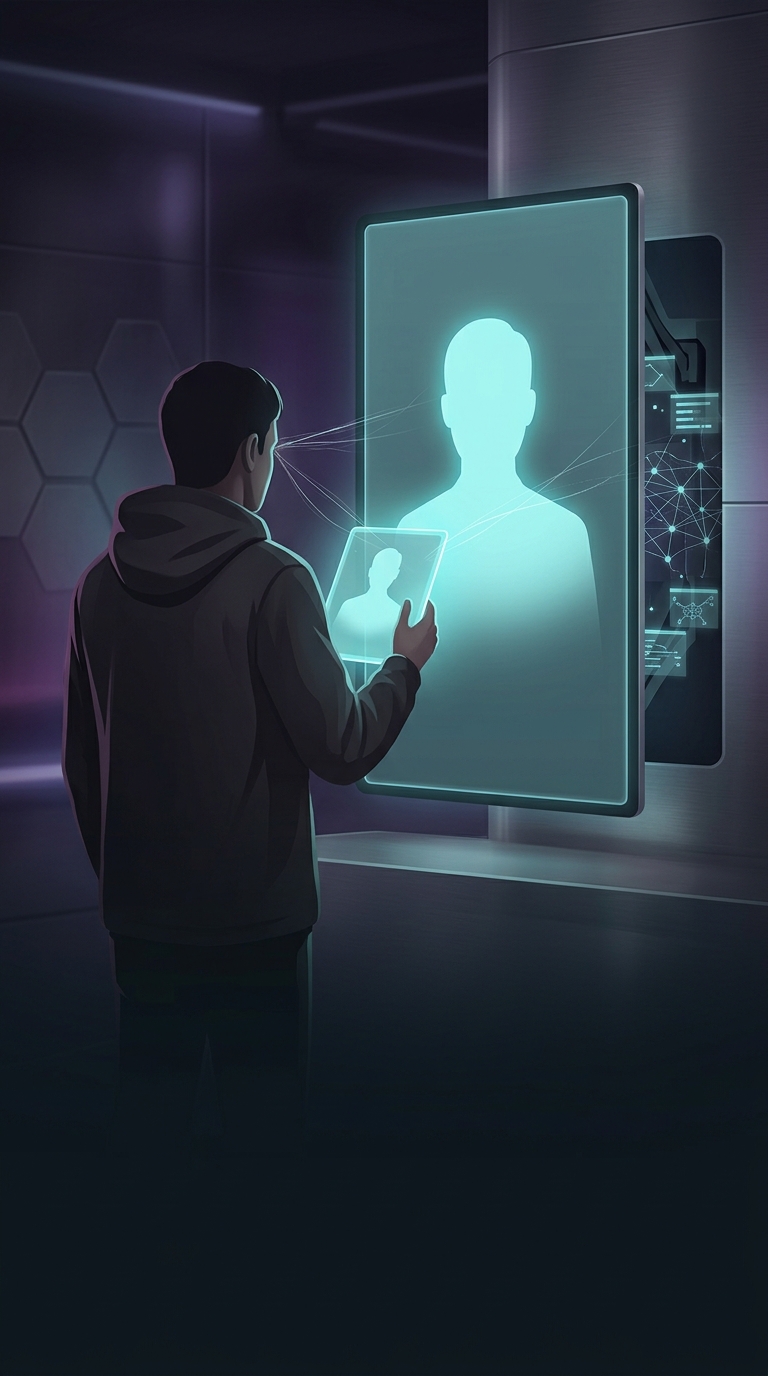
In a choice-blindness experiment, people choose between two photographs—often portraits—and are later shown what they believe is the picture they selected. In some trials, researchers have secretly substituted the other picture. Participants may fail to notice the swap and still explain why they supposedly preferred the face now in front of them.
The trick reveals a gap between making a choice and knowing exactly how it was made. People can report their reasons sincerely without having had those reasons clearly in mind at the moment of choosing. When asked to explain, they may draw on visible features of the picture they are shown and build a plausible account around them.
Why the mismatch can go unnoticed
A quick choice between similar images may not produce a strong, carefully examined preference. If the alternatives share many features, the difference can be easy to miss—especially when attention is directed toward explaining a decision rather than checking whether the image is the original one. The conversation itself also invites a coherent answer: once someone assumes “I chose this,” describing what they like about it is easier than questioning the premise.
This is not necessarily deliberate deception. A person can honestly experience the explanation as their own because people do not have perfect access to every mental step behind a decision. We often infer our reasons from what seems relevant now, much as we infer another person’s motives from their actions.
What the experiment does—and does not—show
The finding is called choice blindness: people can sometimes miss a change to the outcome of their own choice and then justify the altered result. It does not mean that all preferences are fake or that people never know what they want. The effect is most revealing when a decision is quick, the options are alike, and the mismatch is subtle.
Its unsettling implication is modest but useful: a confident explanation is not always a recording of the decision as it happened. Sometimes it is a convincing story assembled after the fact—one that can feel entirely genuine.