Why Early Train Toilets Opened Directly onto the Track
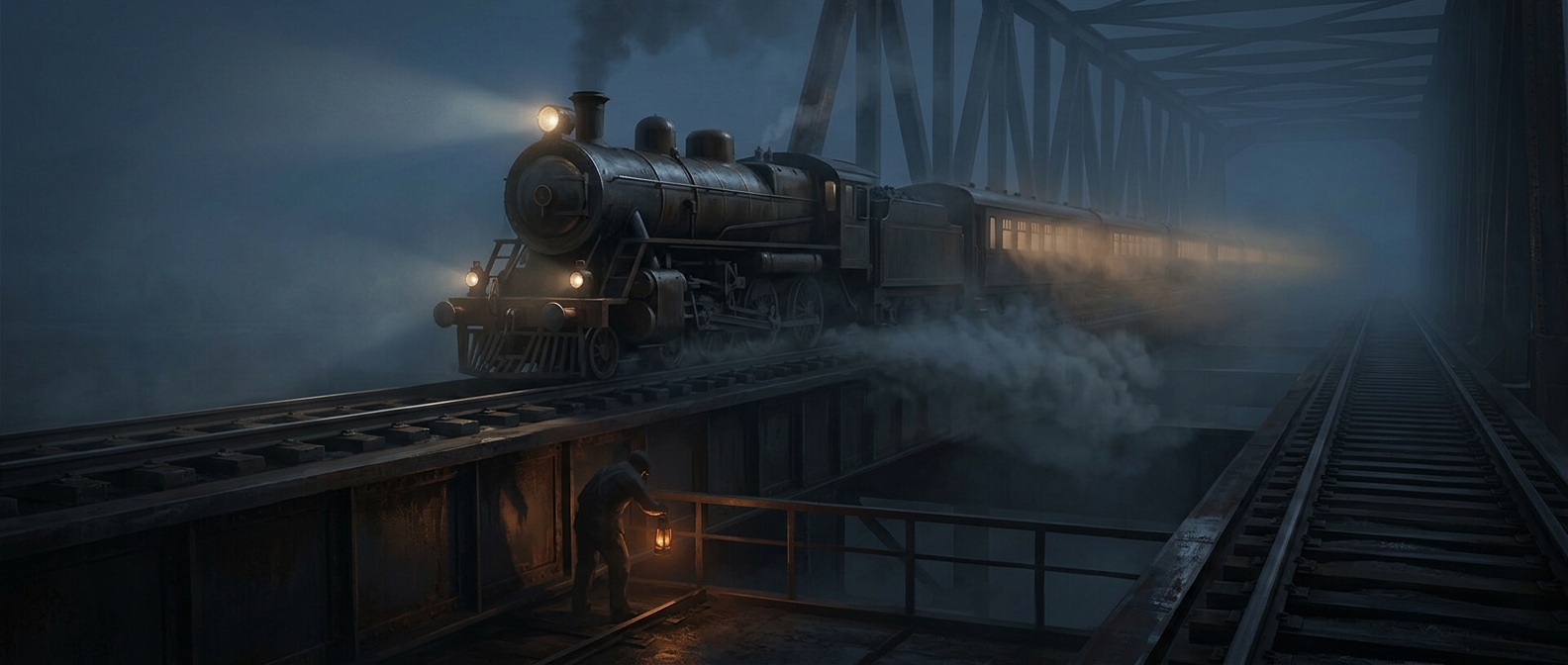
A traditional “hopper” toilet was essentially a toilet bowl connected to an opening beneath the carriage. When the train was moving, waste dropped onto the track bed—the rails, sleepers (cross-ties), and gravel below. The design had no tank to fill, empty, or clean, which made it mechanically simple for a vehicle that might travel far from a station with plumbing.
That simplicity shifted the problem elsewhere. Waste could land on sleepers or nearby trackside areas, so railway workers faced an unpleasant hazard during inspection and repair. Passengers and staff also had to follow rules about when not to use the toilet: at stations or while a train was standing, waste could fall where people were nearby rather than along an open stretch of track.
Why the Change Took So Long
A sealed toilet system has to contain waste as the train moves, resist leaks and odors, and provide storage until the train reaches a place where the tank can be emptied. That adds equipment, maintenance, and servicing requirements. On older trains and routes, the open hopper avoided those complications, while the railway could treat disposal as something the trackside environment would absorb.
As trains became more enclosed and expectations for cleanliness rose, that tradeoff became harder to accept. Retention tanks kept waste aboard instead of releasing it onto the line, but they required depots with the equipment and procedures to empty them. The transition was gradual, and many networks did not widely adopt sealed systems until the 1990s.
The change made the toilet part of the railway’s service infrastructure: a train could no longer simply send waste away beneath the wheels; it had to carry it to a facility built to handle it.