Why Deer Don’t Get Out of the Way
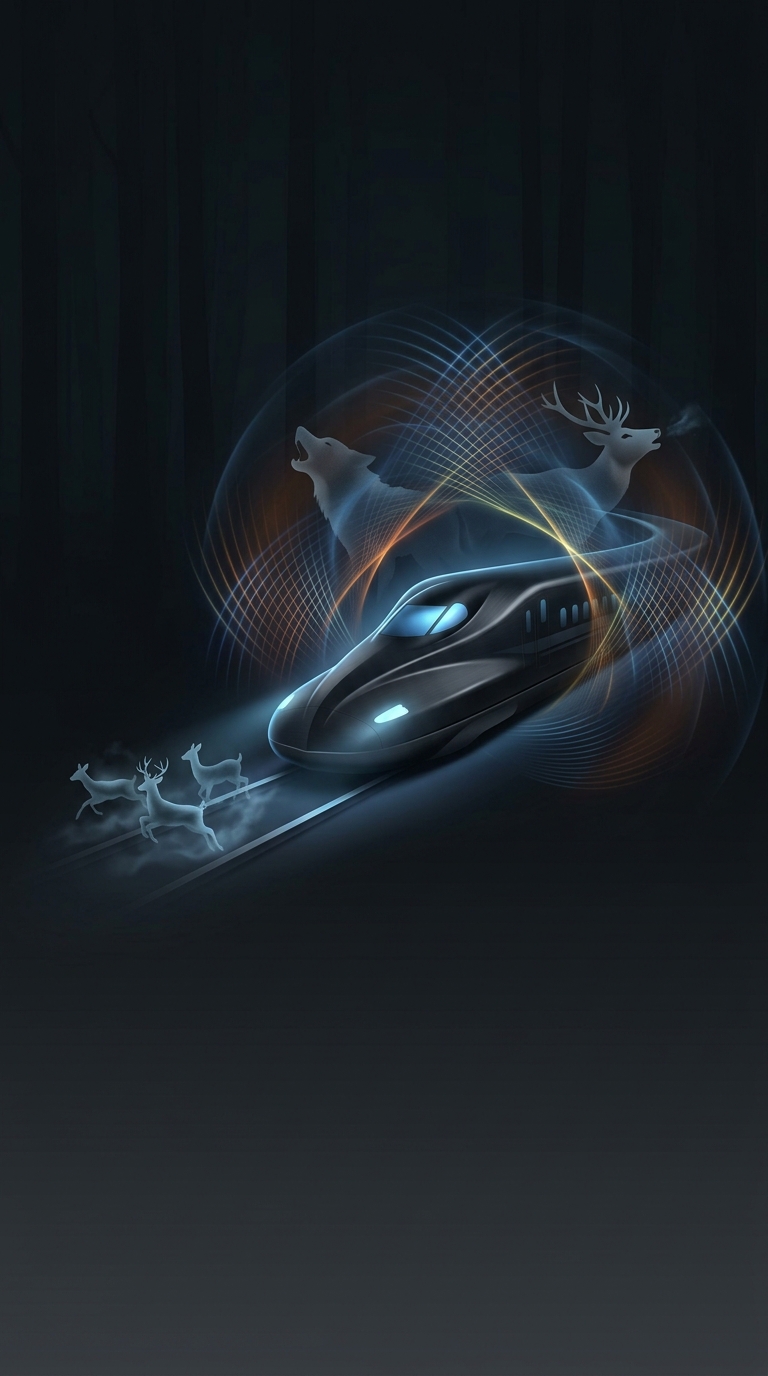
A fast train can reach a deer before the animal has time to react. Deer often freeze when startled, and the noise of an approaching train may arrive too late to give them a useful warning. The result can be a collision that endangers the animal and damages railway equipment, disrupting service as well.
A Warning Built From Familiar Sounds
Railways in Japan have tested speakers that play barking dogs and the alarm-like snorts of deer near tracks. The idea is to make the danger perceptible before the train itself is close: a dog’s bark signals a nearby threat, while another deer’s snort can prompt caution. The sound is meant to trigger an escape response early enough for the animal to move away from the line.
This is a form of acoustic warning—using sound to influence animal behavior—rather than relying only on barriers or hoping deer will hear the train. The speakers can be placed at locations where wildlife crossings are a recurring problem, so the warning reaches animals before they enter the train’s path.
A Tradeoff in a Shared Landscape
The approach uses sounds animals already recognize, but it is not a physical barrier: its success depends on deer responding and moving in time. For rail operators, it offers another tool for reducing collisions without fencing every stretch of track. For wildlife, the crucial difference is a warning that arrives before the train does.