The track becomes part of the motor
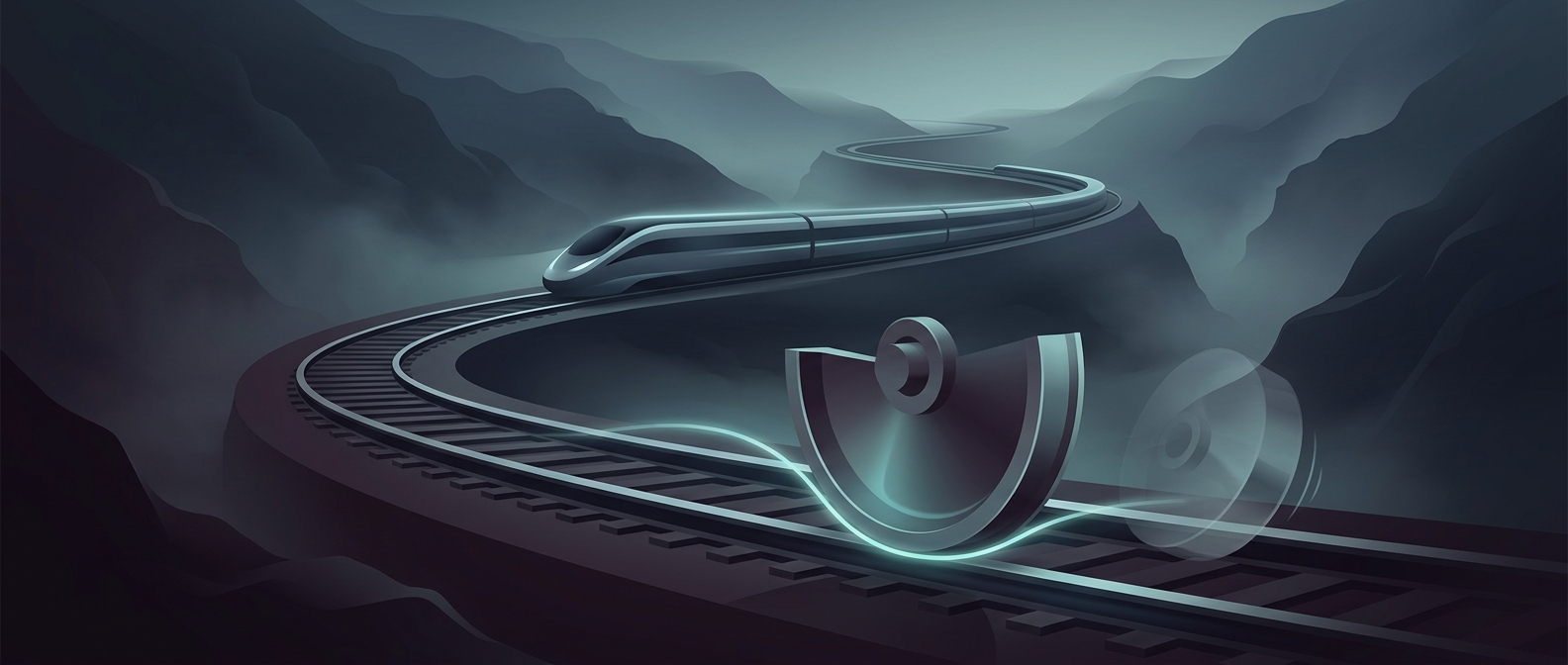
A maglev train does not carry a conventional engine that pushes against the rails. Instead, coils built into the guideway create a moving magnetic field. By switching the coils on in sequence, the system makes that magnetic pattern travel forward; magnets on the train respond to it, pulling or pushing the vehicle along. The effect is similar to an electric motor unrolled into a long track, with the train’s motion synchronized to the field.
That arrangement changes the engineering relationship between train and track. The guideway is not merely a surface to run on: it supplies the precisely timed magnetic forces that lift, steer, and propel the vehicle.
Keeping a train suspended takes control
Different maglev designs levitate in different ways. Some use attraction between electromagnets on the train and the guideway; others use magnetic repulsion. In either case, the gap between vehicle and track is small, so sensors and control systems continually adjust the magnetic force to keep the train stable and centered. It is not a matter of switching on magnets and letting the vehicle float unattended.
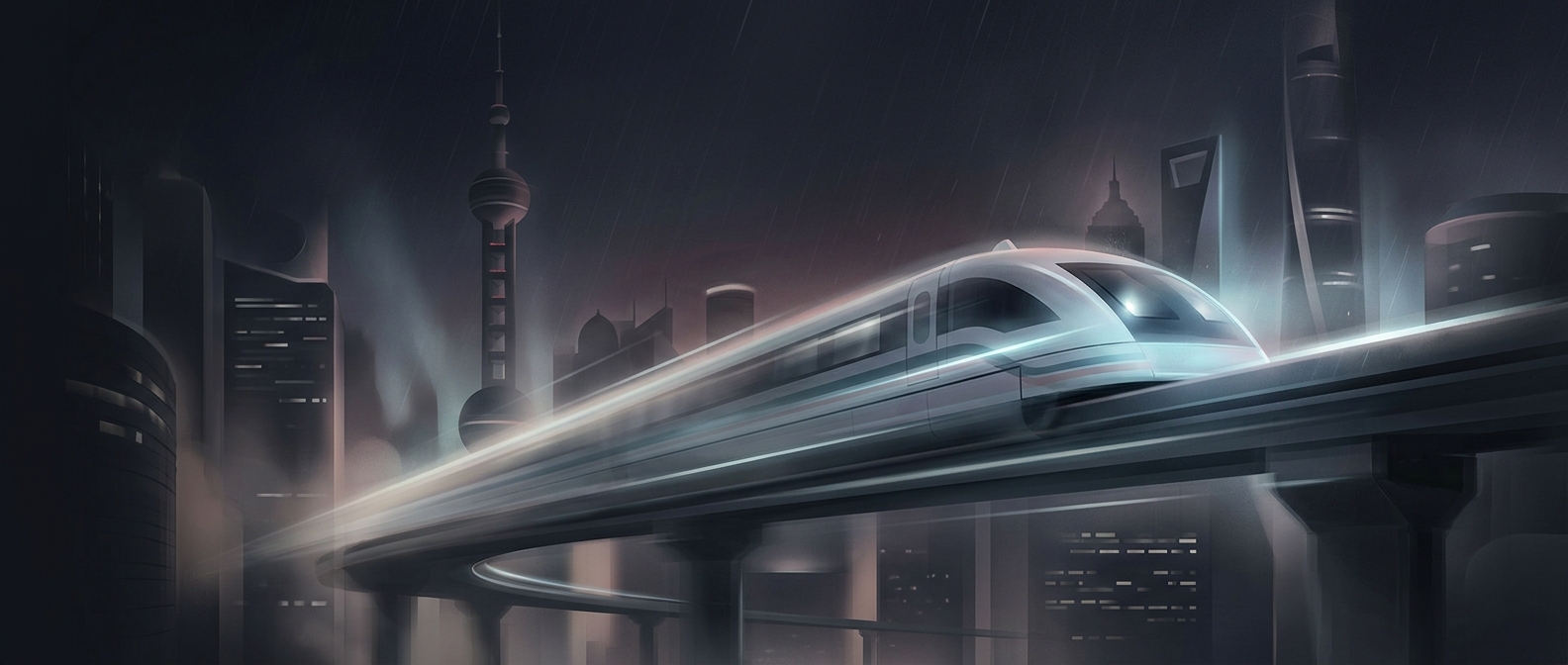
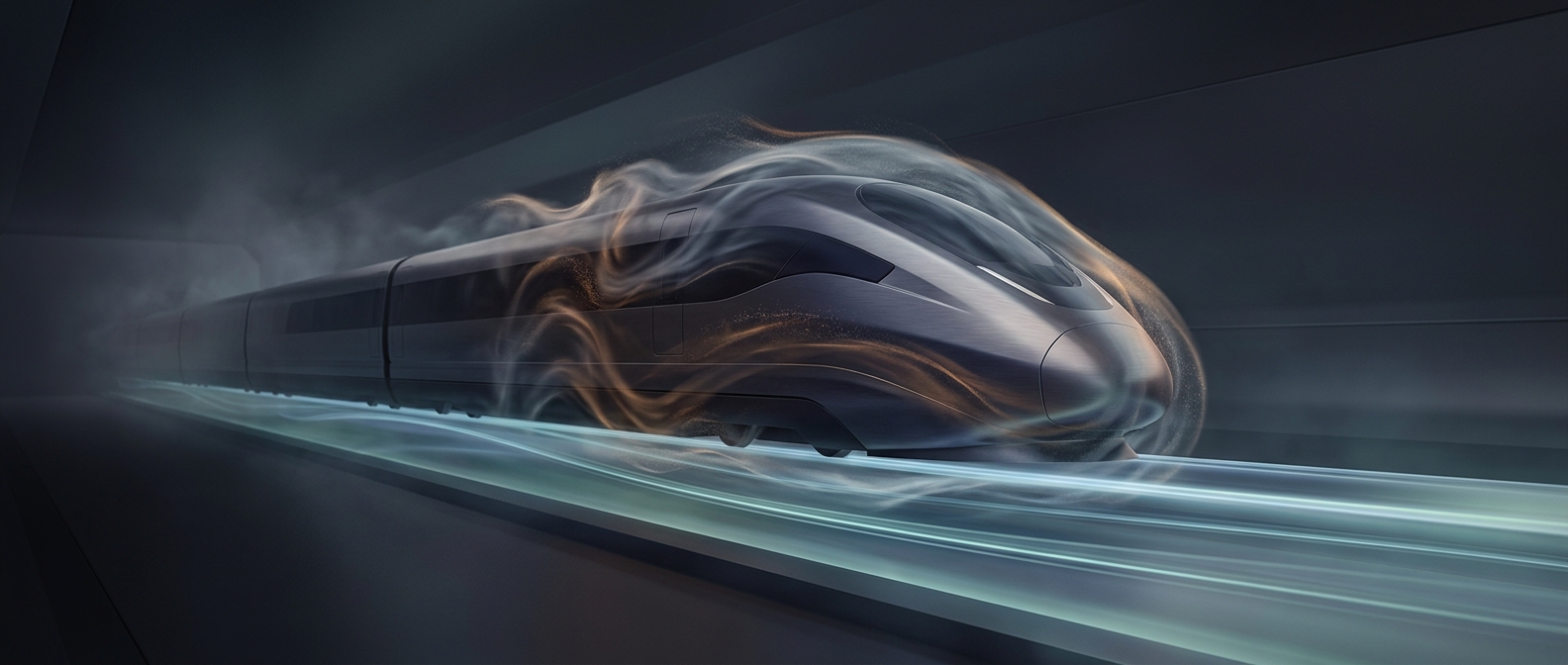
With no wheels rolling against rails during levitation, there is far less mechanical friction at the contact points that dominate ordinary rail travel. But the train still pushes through air, and that resistance grows important as speed rises. Maglev therefore trades wheel-and-rail contact for a more demanding guideway, power, and control system—not for frictionless travel.
The tradeoff is built into the route
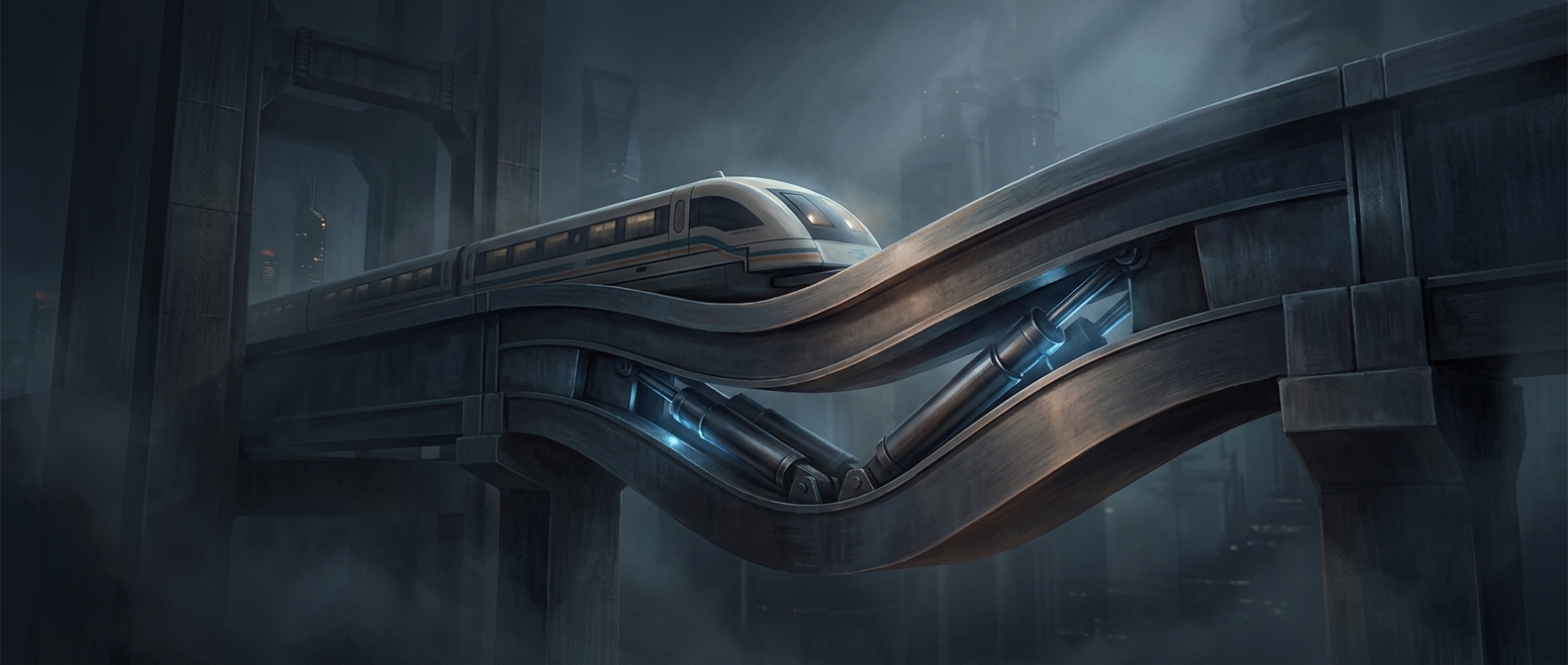
Because the guideway must contain the equipment that creates and controls the magnetic fields, a maglev line requires specialized infrastructure rather than ordinary track. That can make the system a major investment, even though the lack of rolling contact can support smooth, fast travel. The unusual ride is thus a consequence of a larger design choice: the railway itself helps operate the train, every moment it moves.