A river encounter, not a lakeside sighting
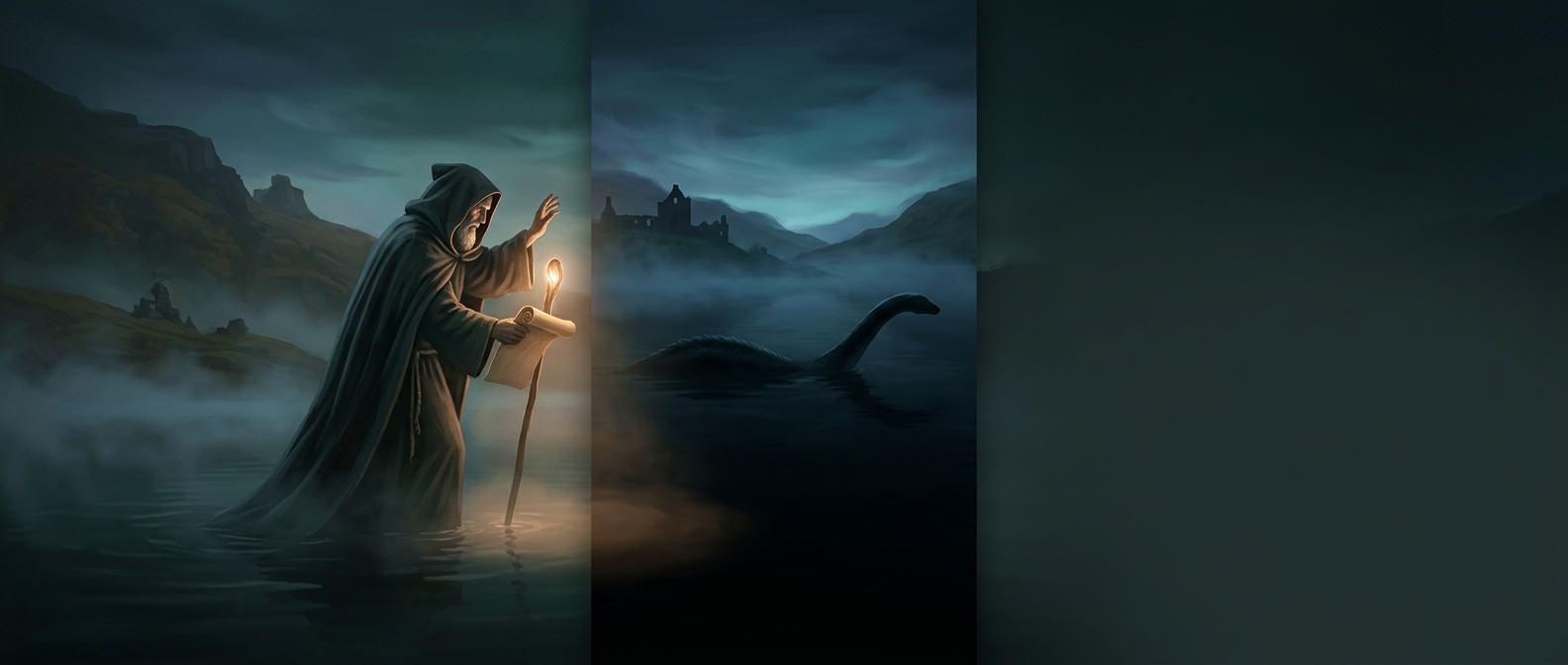
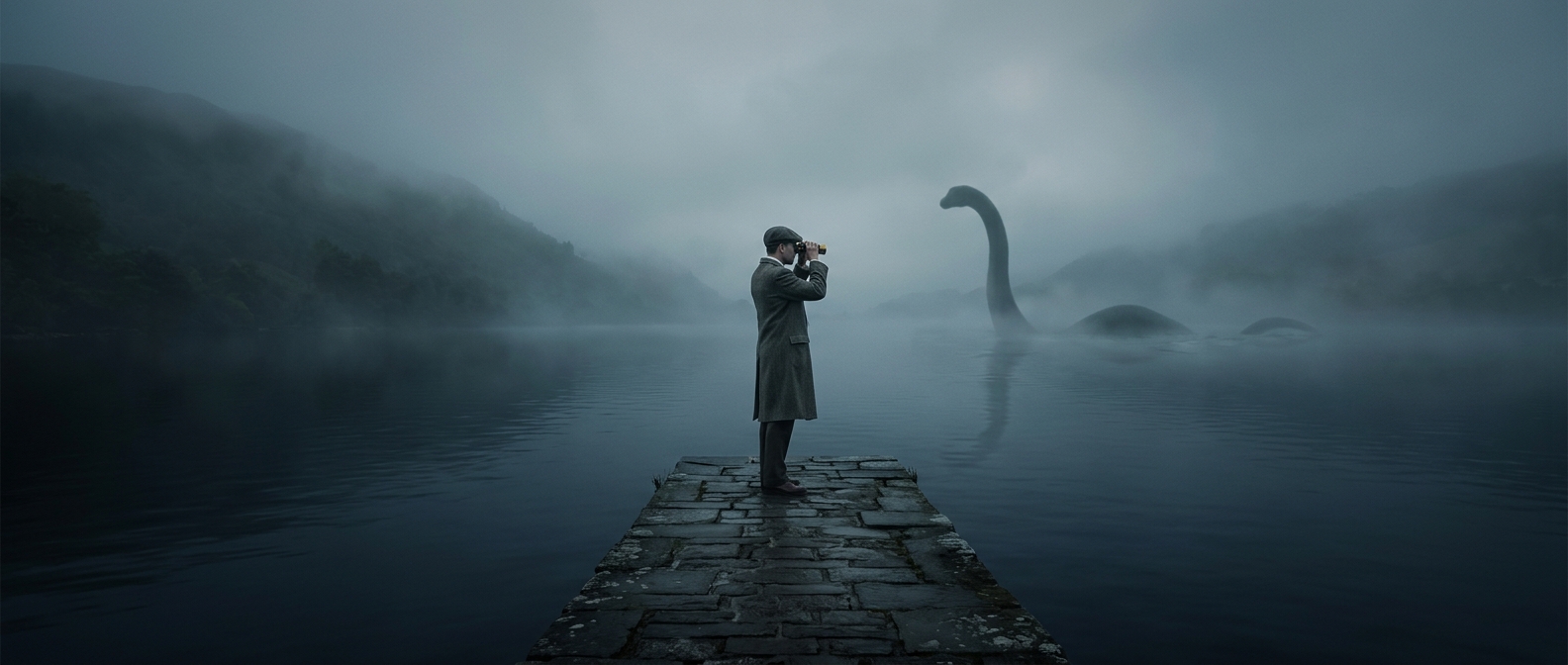
The earliest famous monster story associated with Loch Ness is set not in the loch itself but in the River Ness, which flows from it. In the account, St. Columba encounters people burying a man said to have been attacked by a water beast. When another man enters the river, the creature moves toward him; Columba commands it to turn back, and it does.
That distinction matters: the story is an early written account of a dangerous water creature in the area, not a report of a tourist spotting a monster in Loch Ness.
Why the story was recorded
The episode appears in a life of Columba written by Adomnán, an abbot of Iona, more than a century after Columba’s death in 597. It belongs to a religious biography, where miracles show a saint’s spiritual authority. Columba’s command is the point of the scene: the threatening creature yields, and the man is spared.
So the account tells us how Columba’s power was remembered and presented, rather than offering the kind of observation a modern naturalist would make. Its vivid river setting, however, gave later readers a natural link to the loch nearby.
How it became a monster story
Over time, the river beast became attached to Loch Ness’s much larger modern legend. The old tale is often treated as the first recorded Nessie encounter, but that label compresses two different things: a saint’s miracle story and the later idea of a resident lake monster. Its lasting significance is less that it identifies a creature than that it gave the Ness area a written water-monster story centuries before Nessie became a tourist attraction.