How a Road Changed What People Could See
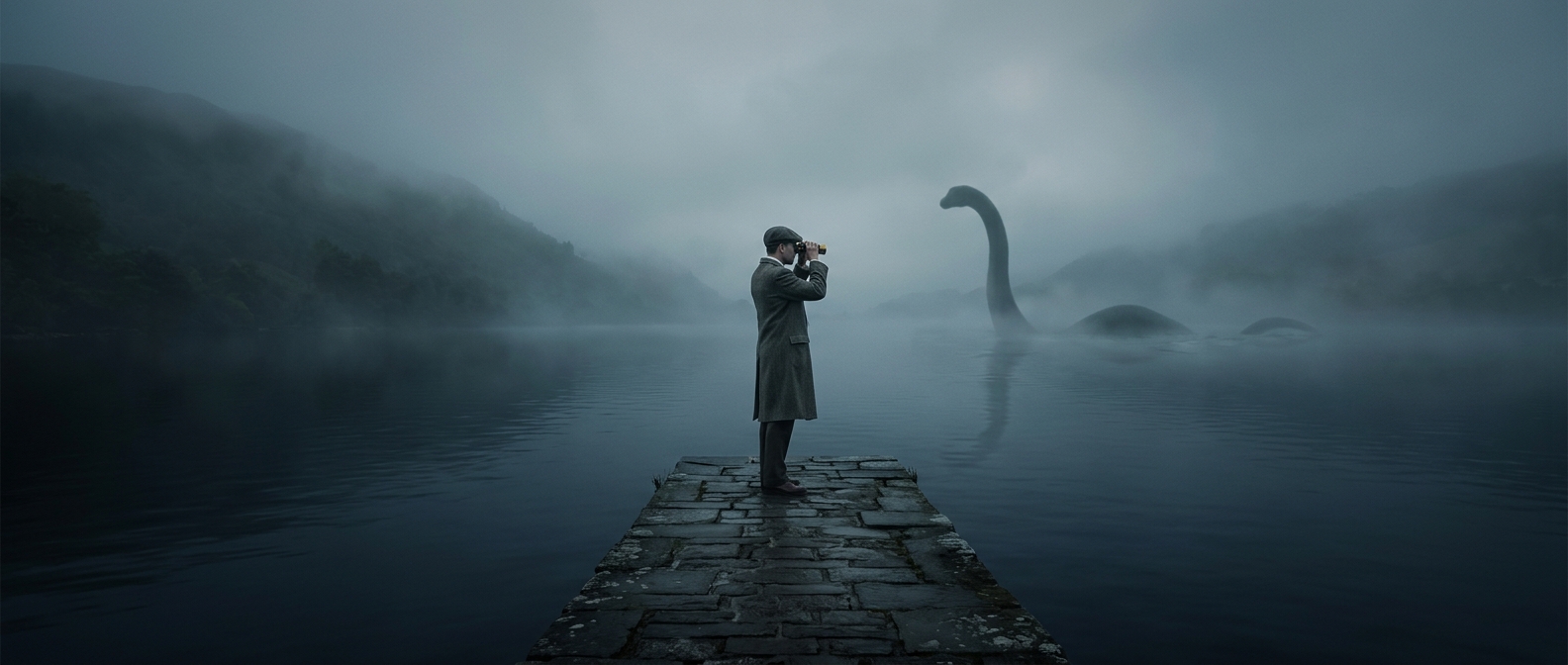
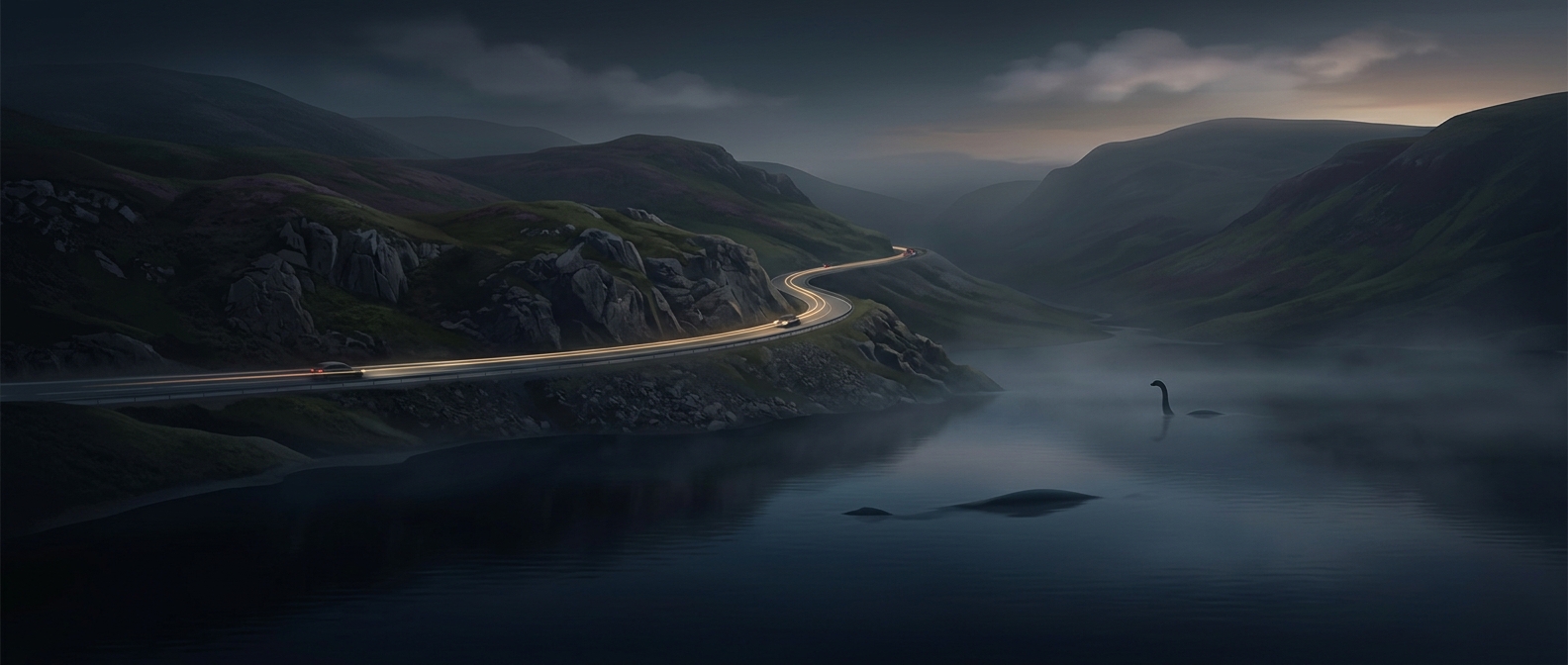
A newly paved road beside Loch Ness did more than make travel easier: it opened up a long stretch of the lakeshore to people passing by. From a car, the water could be watched without the trees, rough track, or awkward stopping places that had once obscured it. More people had the chance to notice—and report—shapes on the lake.
That matters because sightings depend not only on what is in the water, but also on who can see it, from where, and for how long. A floating log, a wake, or an animal briefly breaking the surface can look striking from a distance. Seen in a quick glimpse by a driver, an ambiguous shape may be harder to identify than it would be from a quiet viewpoint with time to observe it.
Access Can Turn Glimpses Into a Story
Once reports began circulating, later observers had a ready-made interpretation for unusual shapes: the Loch Ness monster. Expectation does not mean that witnesses were deliberately inventing what they saw. It can influence how people make sense of incomplete visual information, especially when a famous explanation is already in mind.
The road therefore changed the conditions for sightings as well as access to the scenery. More passing eyes meant more opportunities for fleeting observations, while the monster story gave those observations a common frame. The result was a surge in reports—not proof that a creature appeared, but a reminder that a new view can change what people notice and what they think it means.