Why thin air makes each breath count less
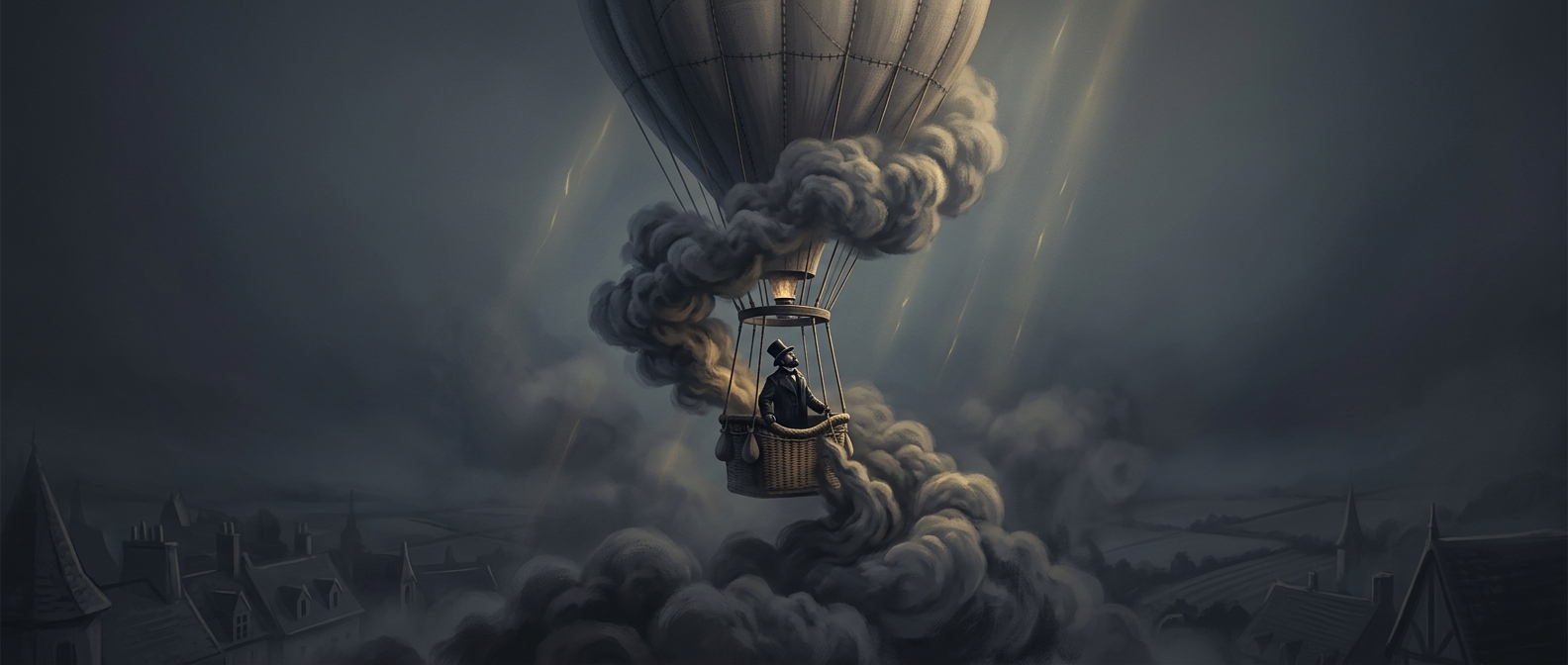
The proportion of oxygen in the atmosphere stays roughly the same as a balloon climbs. What changes is air pressure: there are fewer air molecules packed into each lungful, so each breath brings less oxygen into the bloodstream. The body can compensate to a point by breathing faster and deeper, but at great altitude that effort cannot make up the difference.
How the mask helps
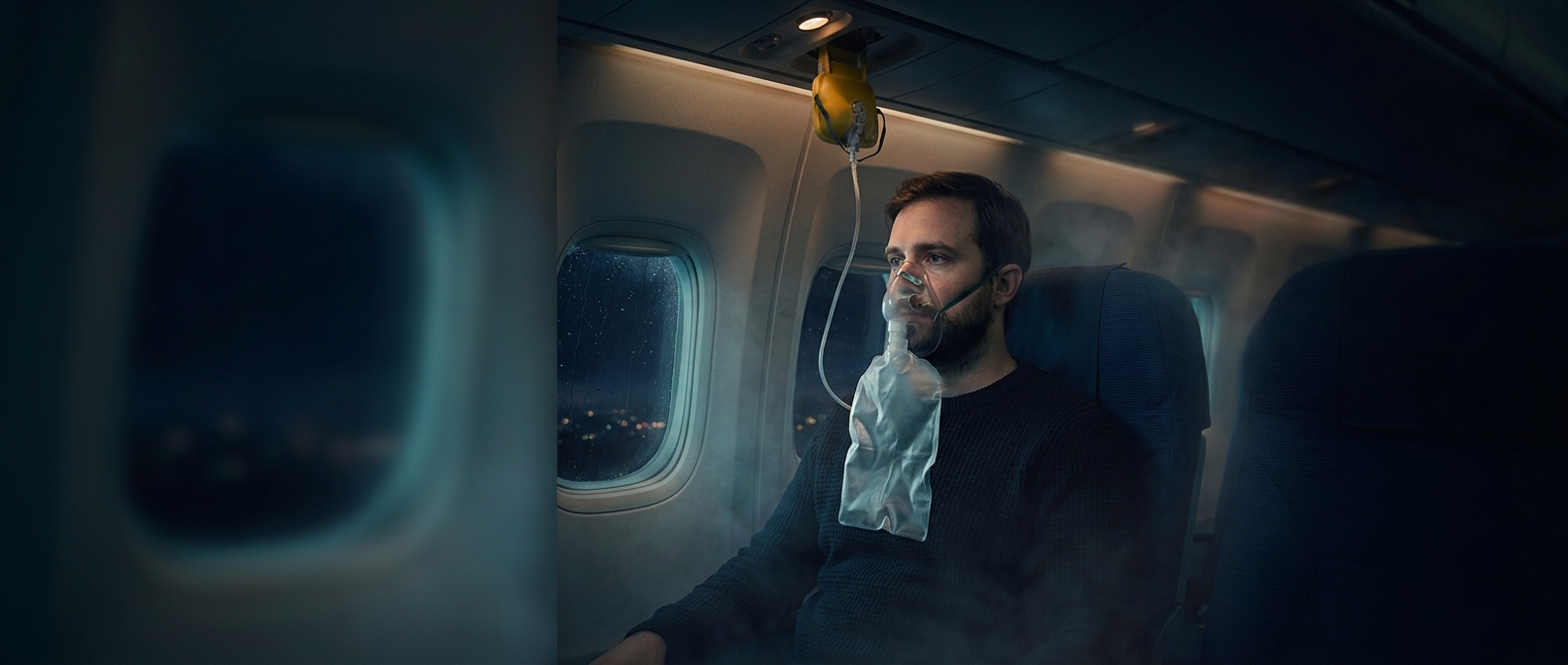
An oxygen mask supplies oxygen-rich gas for the balloonist to inhale. It does not restore the surrounding air pressure; instead, it raises the amount of oxygen available in each breath, helping the lungs transfer enough into the blood. The mask and its supply therefore become life-support equipment, not optional comfort gear.
That matters because oxygen shortage can affect judgment and coordination before a person fully recognizes what is happening. In a balloon, where safe operation depends on noticing conditions and handling equipment, a lapse can compound quickly. Wearing the mask continuously keeps breathing support in place rather than waiting for symptoms to appear—an especially important precaution when the balloonist is far above the dense air near the ground.