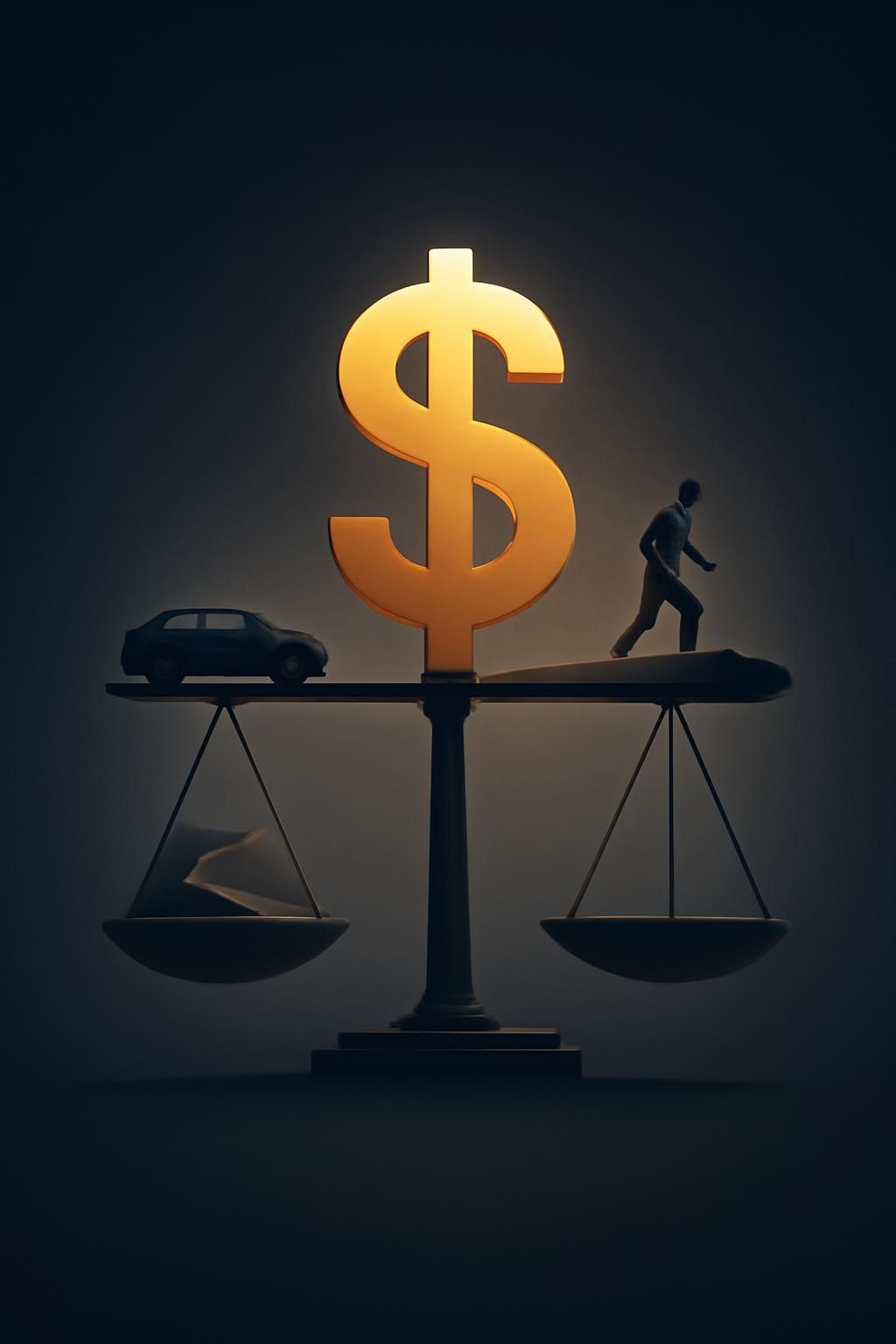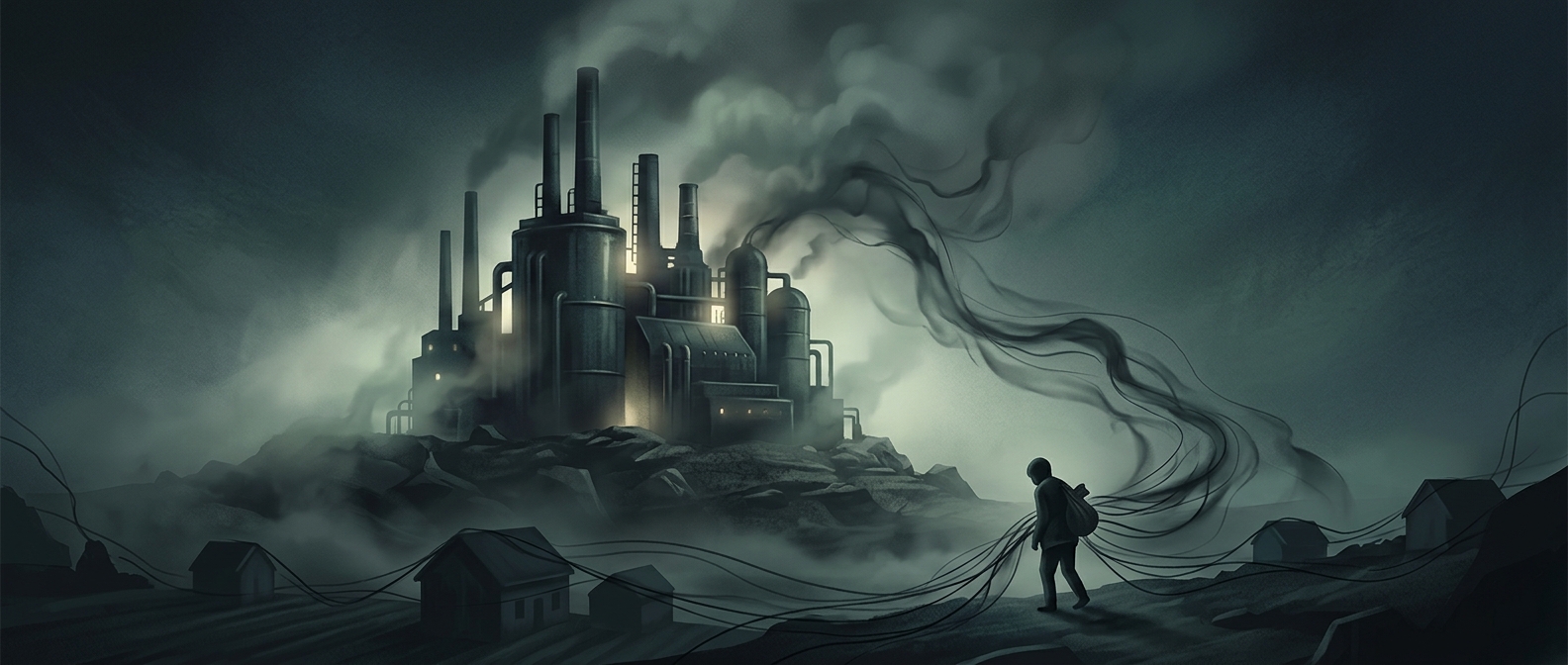
When a Private Choice Creates a Public Cost
A negative externality occurs when an activity imposes a cost on people outside the transaction. The person playing loud music may value the entertainment, and the speaker’s owner may have paid for the equipment, but neither necessarily bears the full cost of the noise. Some of it falls on neighbors in the form of interrupted sleep or lost concentration.
That gap matters because choices are often made according to the costs and benefits felt directly by the decision-maker. If the disturbance is not counted, the activity can happen more often or more intensely than it would if everyone affected had a say. The problem is not simply that someone behaves inconsiderately; it is that the decision-maker’s private calculation leaves out part of the bill.
Making the Missing Cost Count
One response is to establish rules—such as quiet hours or limits on noise—and enforce them. Another is negotiation: neighbors might agree on acceptable hours or arrange compensation. In a small, clear-cut dispute, conversation may work. Across many people or repeated situations, however, it can be difficult to identify everyone affected, measure the harm, and reach an agreement.
Economic policies can also make the cost more visible. A fee or penalty tied to the harmful activity gives the decision-maker a reason to reduce it; the aim is not necessarily to ban the activity, but to bring private incentives closer to the wider cost. Setting that charge fairly is difficult, since the harm can vary by time, place, and person, and enforcement itself takes effort.
The same logic applies far beyond noise—to pollution, traffic congestion, or any activity whose costs spill over to others. The key question is who pays for the consequences. When those costs remain invisible to the person choosing the activity, bystanders can end up subsidizing it with their time, health, or comfort.