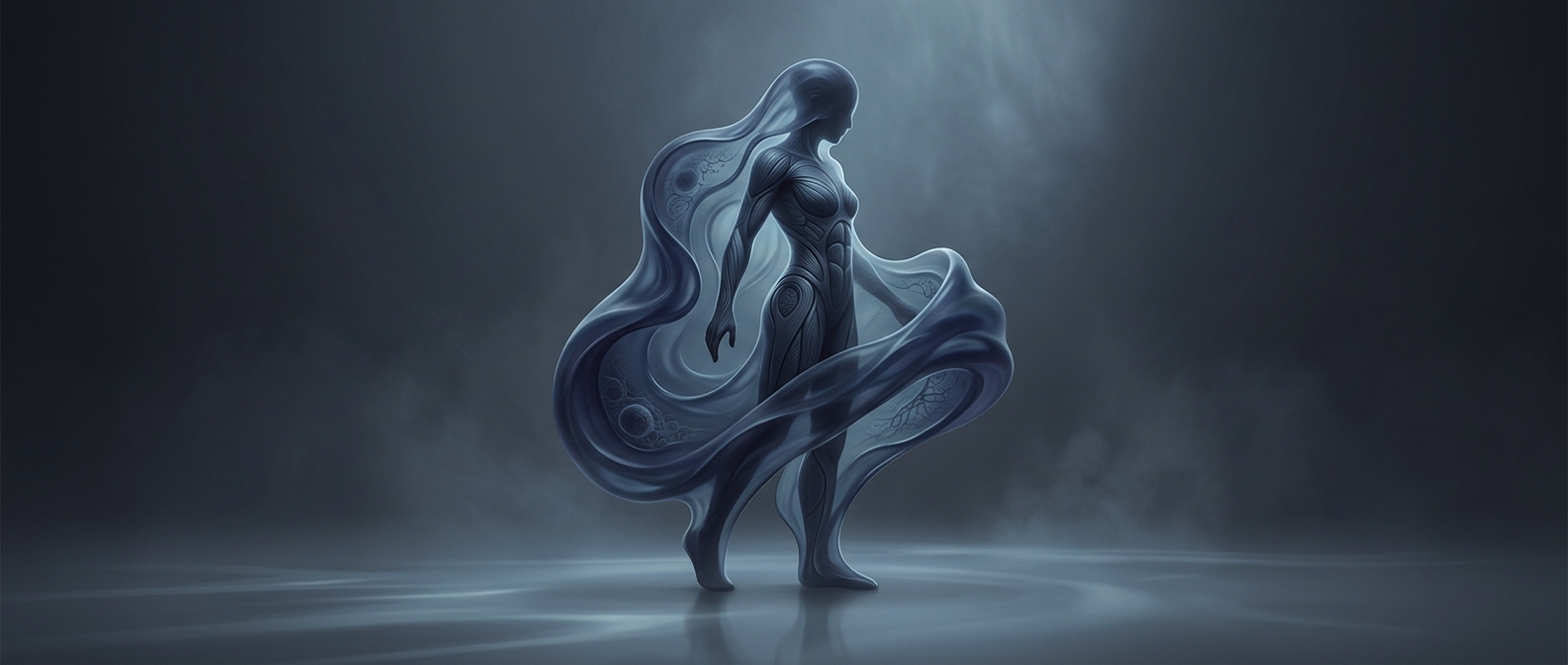
A Creature Suit Is Built in Layers
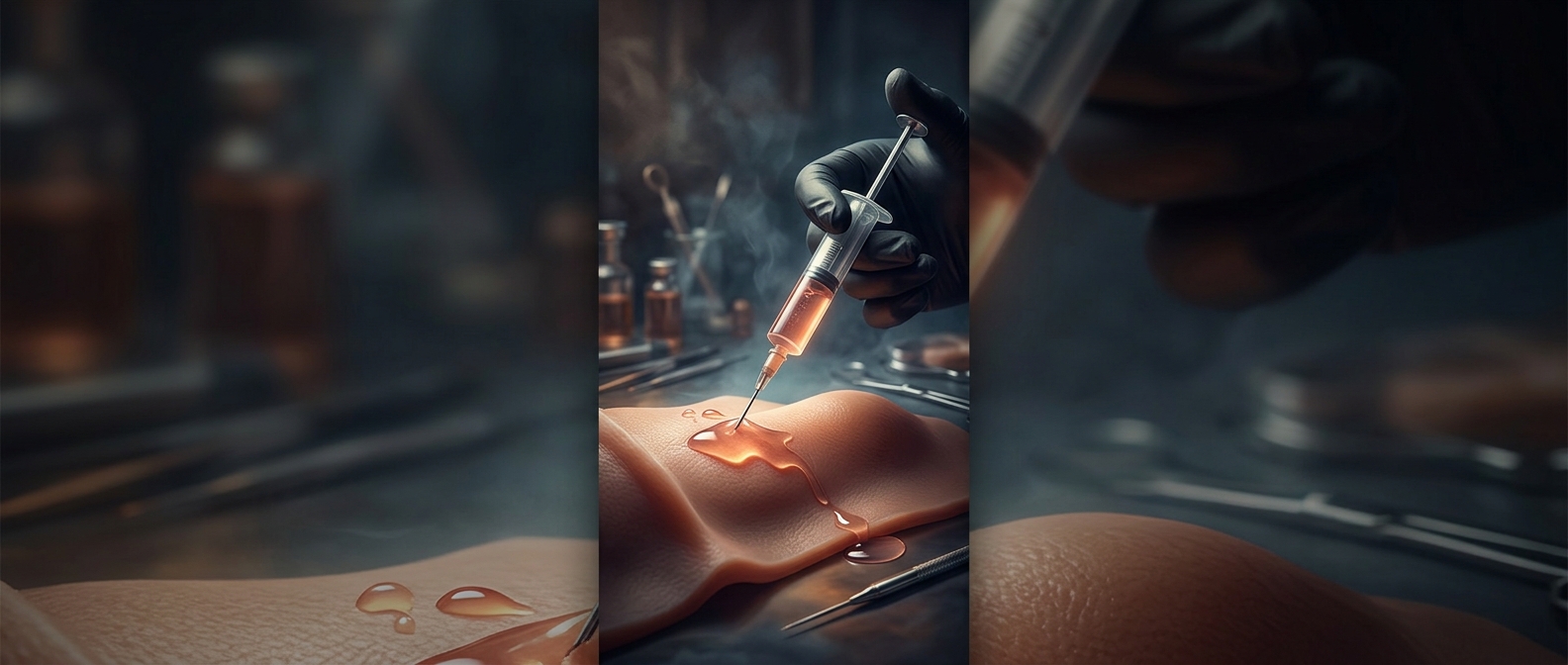
A full-body transformation is not one costume pulled on at once. Makeup artists attach separate prosthetic appliances—shaped pieces that alter the performer’s face or body—then blend their edges into the surrounding skin. The pieces have to line up across joints and contours so the creature reads as one continuous form rather than a collection of patches.
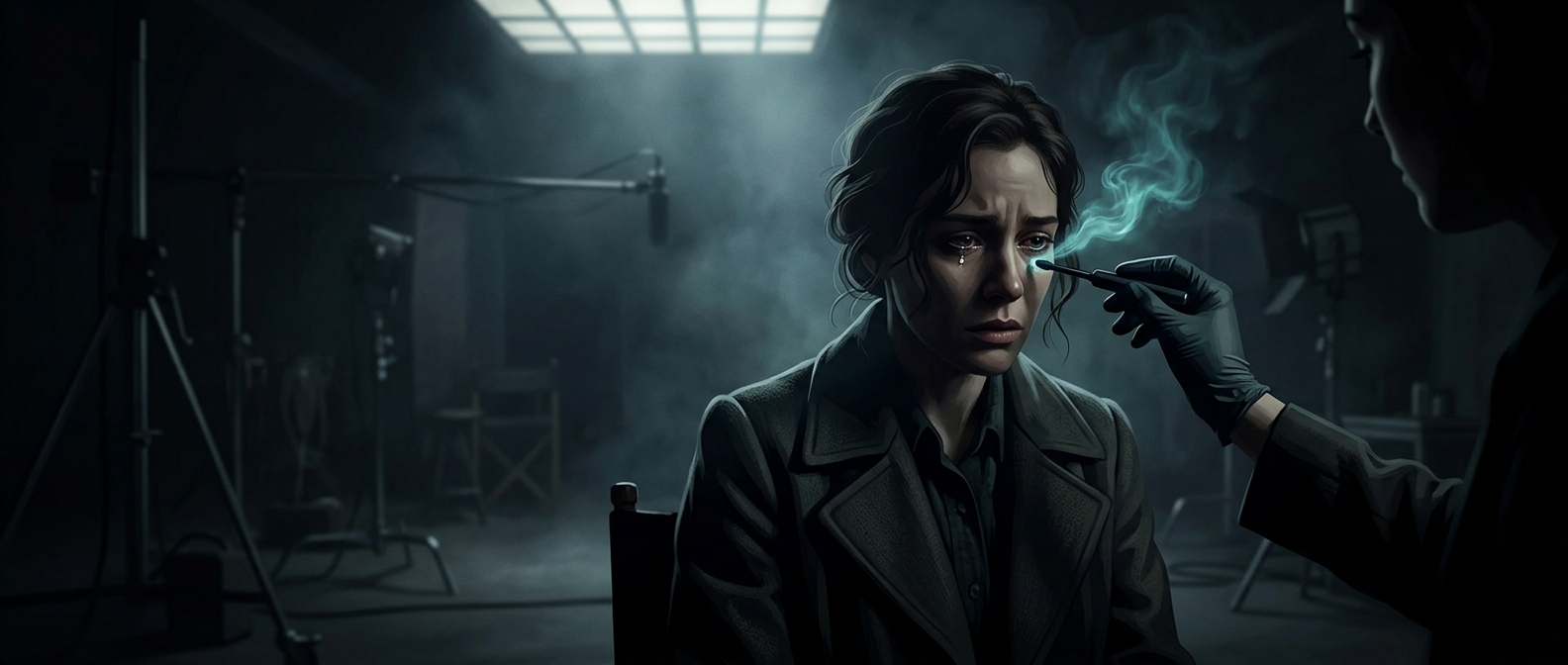
That takes close, careful work. Artists apply adhesive, position each piece, and refine seams with makeup and color. A small shift can leave an edge visible or make it harder for the performer to move naturally. Sitting still gives the team a stable surface while they work in tight spaces around the body.
The Clock Is Part of the Performance
When application begins hours before a scene, the makeup period becomes part of the production schedule. The performer must arrive early enough for the transformation, while the crew needs enough time to attach and finish the pieces before filming. Once the suit is on, ordinary actions—bending, turning, or changing position—can tug at attachments, so performers may have to move cautiously between makeup and the set.
The practical tradeoff is striking: a creature that looks seamless on camera can depend on a performer remaining almost motionless for much of the morning. The stillness is not just patience; it helps preserve the tiny joins that make many separate pieces appear to belong to a single body.