Built to Read From a Distance
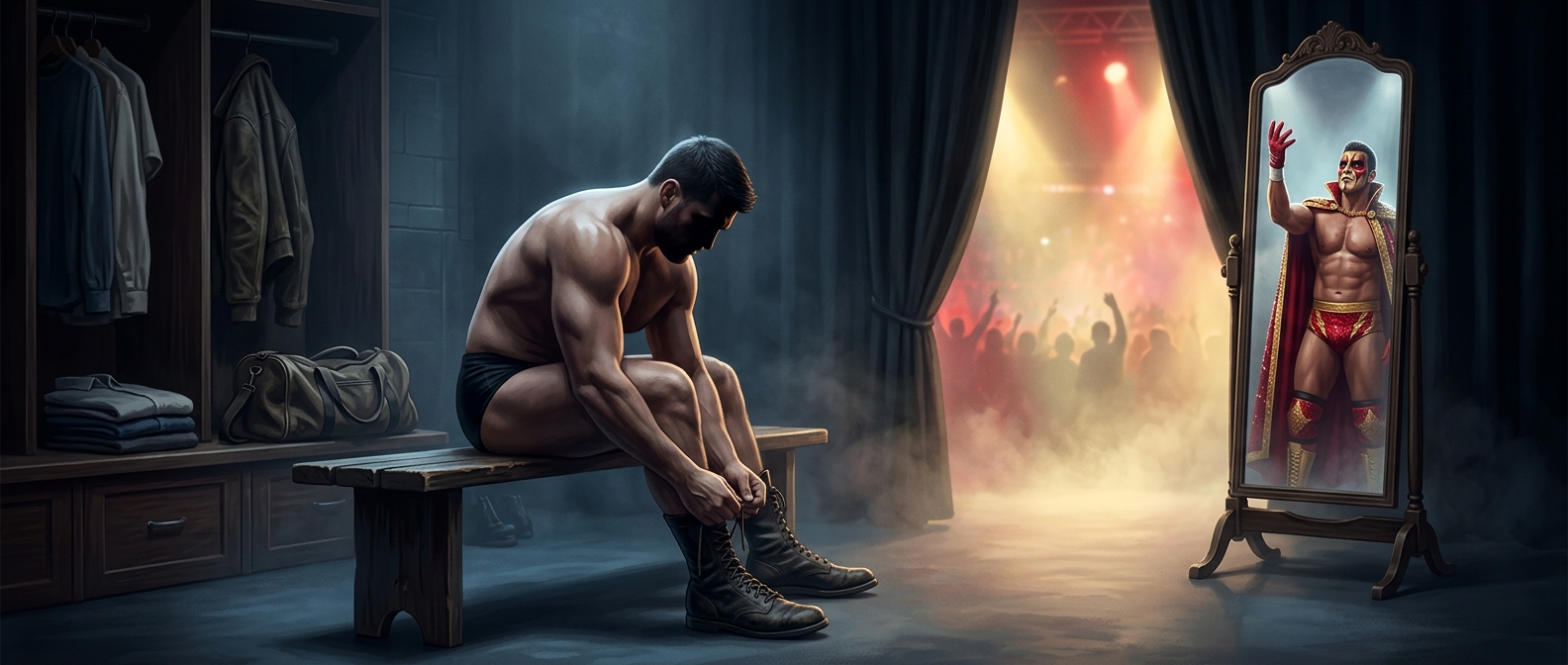
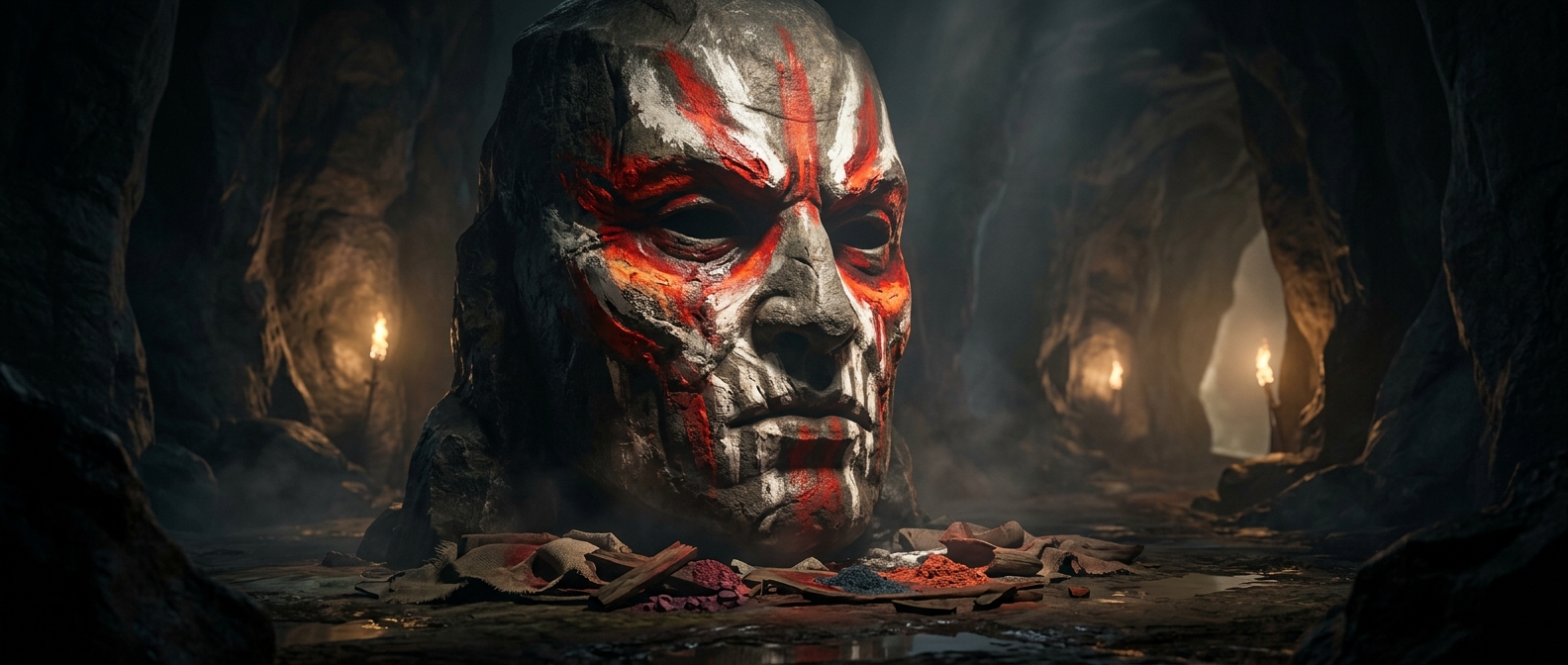
Warrior face paint in a performance has two jobs: transform a performer’s face and make that transformation legible to an audience. Strong lines and high-contrast shapes can make eyes, brows, or cheekbones stand out under bright lights or from the back of a room. The design may look deliberately severe up close, because it is meant to read as a bold image rather than subtle everyday makeup.
That clarity can depend on precise edges and layered color. Applying those details takes time, but the finished design sits on moving skin—not a fixed canvas. Every expression stretches and folds the face, putting pressure on painted lines even before the performer begins to sweat.
The Performance Puts the Design Under Stress
As exertion raises body heat, sweat reaches the skin’s surface. It can loosen or disturb paint, while wiping, rubbing, and repeated facial movement drag color across nearby areas. Once a sharp stripe blurs or dark pigment spreads, the original pattern may lose the contrast that made it recognizable. The change can happen quickly during an intense scene, even if the makeup was carefully applied.
Performers and makeup artists can try to make designs more durable with products or setting methods suited to the makeup, but there is no single finish that makes paint immune to heat, moisture, and friction. Touch-ups may be needed between scenes or performances. The design is therefore a timed part of the costume: it must create a striking first impression and survive long enough to serve the action.