Kayfabe made the story extend beyond the ring
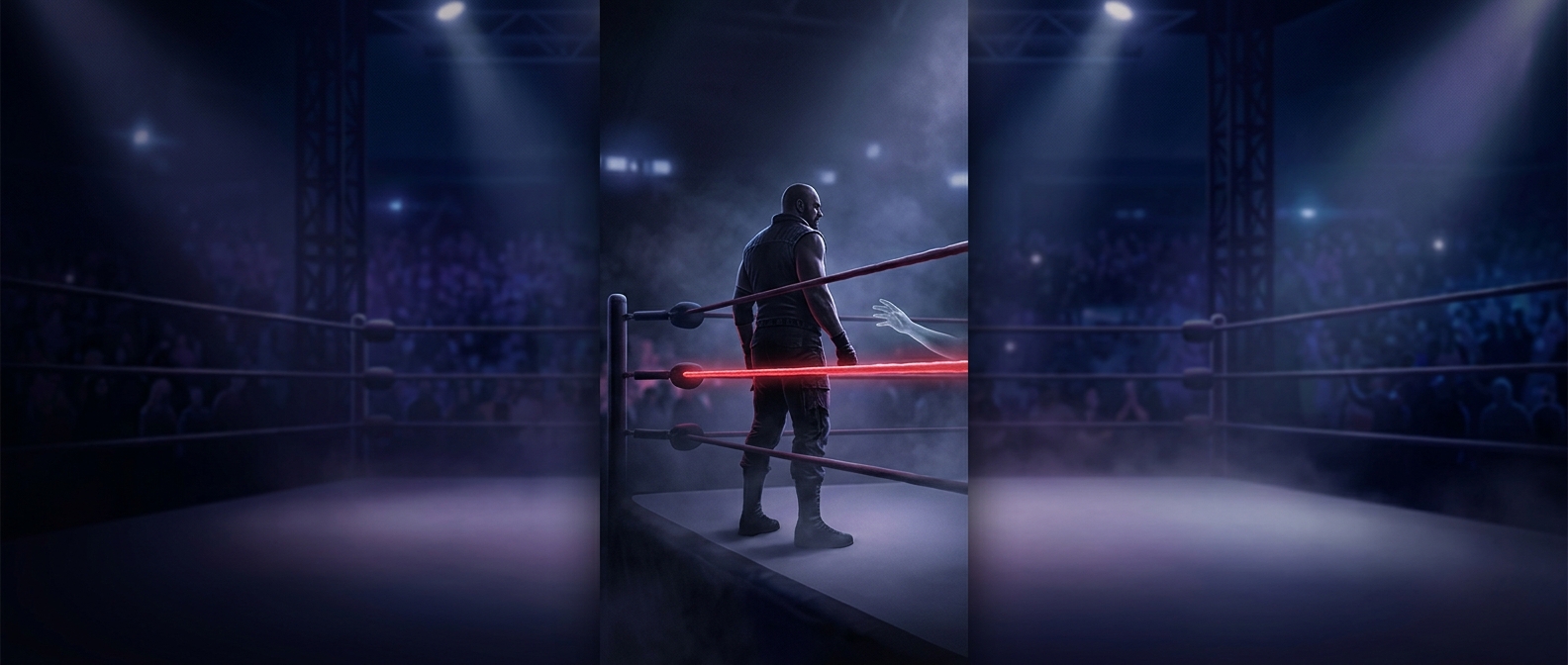
In professional wrestling, kayfabe is the practice of presenting the rivalries and characters seen in the ring as if they were real. The term describes more than keeping match outcomes secret: it means protecting the audience’s sense that a feud continues after the bell. A wrestler who publicly treated an opponent as a genuine enemy helped preserve the story’s stakes wherever fans might encounter them.
That could make an ordinary setting part of the performance. A confrontation in a grocery store, for example, would carry the rivalry into daily life, where it could look less like a show and more like an uncontrolled dispute. The point was not that every such clash was a real fight. It was that performers avoided behavior that would openly puncture the fiction.
Why the code mattered—and why it loosened
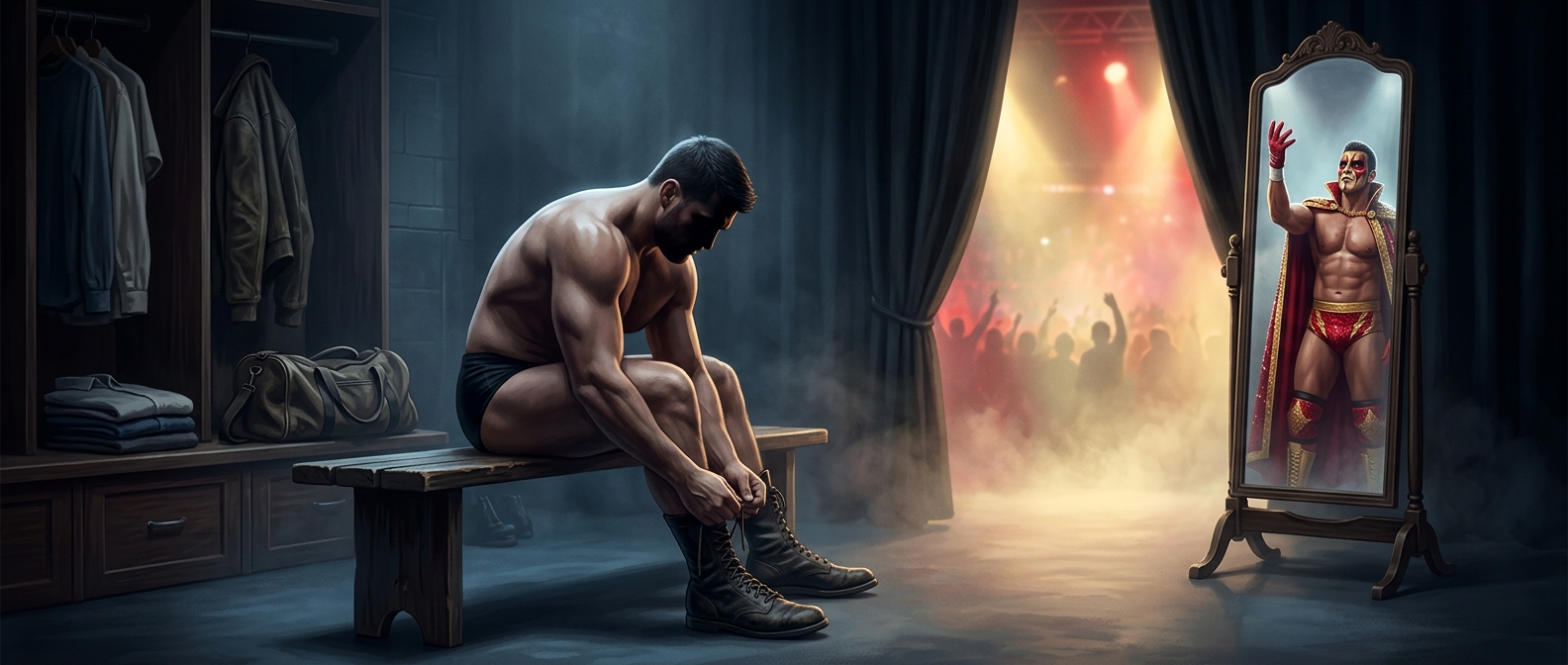
Wrestling’s appeal depends on audiences caring about who wins and what a feud means. If performers plainly described their characters as roles or their conflicts as staged, the dramatic tension could collapse for viewers who wanted to believe—or at least enjoy the pretense. Kayfabe therefore worked as a shared boundary: wrestlers maintained the story in public, while fans could respond as though its conflicts mattered.
The boundary was never simply a switch between “real” and “fake.” The outcomes and characters were part of a performance, but the athletic effort and risk of executing moves were real. As wrestling became more openly discussed as entertainment, maintaining the old public silence became harder. What changed was not the need for compelling characters; it was how much the audience had to pretend not to know. The grocery-store feud captures the older code’s most striking demand: the show was expected to follow its performers out the door.