When a private moment becomes public property
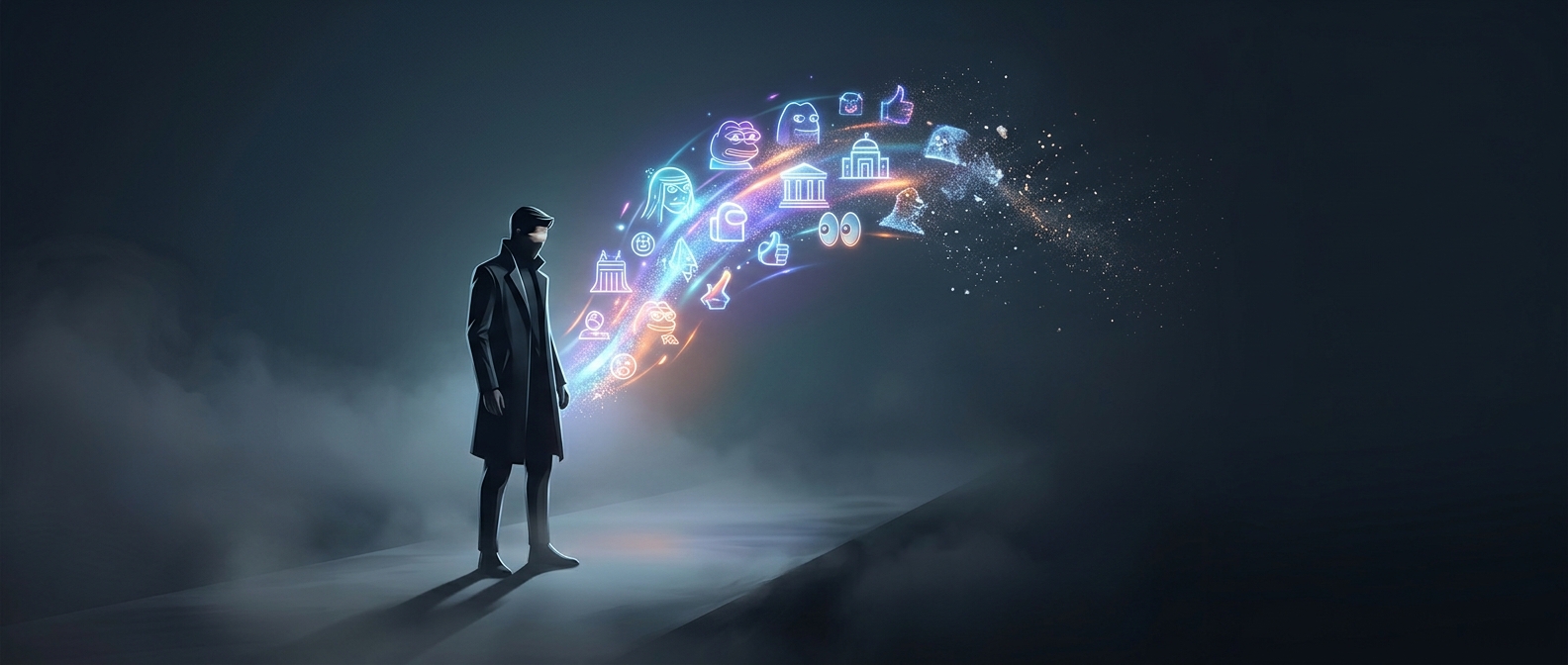
A meme can travel farther than the story that gave it meaning. A photo or clip is detached from its original setting, paired with new text, and reposted for audiences who may know nothing about the person in it. Each edit can make the image easier to share—and harder to control. The person may become a character in jokes or arguments they never chose to join.
Why attention can turn into pressure
Viral visibility is not the same as having a public platform. An ordinary person may suddenly receive messages, searches for personal details, or contact from strangers, while having few tools to moderate the attention. Because a post can be copied and recirculated, deleting the original does not necessarily remove the versions already saved elsewhere. Even when much of the attention is playful, the person can be left managing unwanted exposure and uncertainty about what will spread next.
The imbalance behind the joke
The image may keep generating engagement for accounts and platforms that share it, but the person pictured does not automatically receive payment or control over how it is used. Nor does a burst of online fame reliably become lasting opportunity: the audience can move on while screenshots and search results remain. That mismatch is what makes meme fame unusually lopsided—public recognition can arrive in a day, but the person has little say in how long the internet keeps the image.