Why gelatin can pass for a body on camera
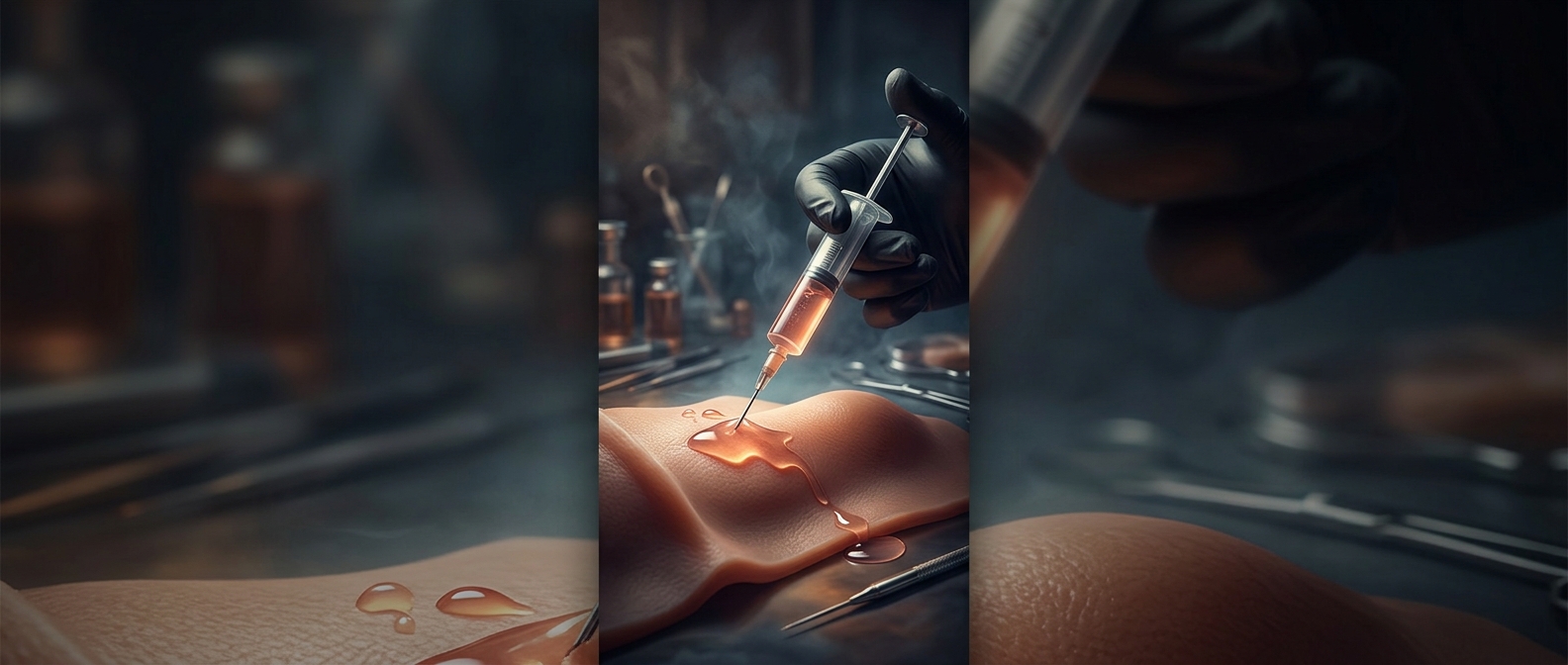
A convincing fake corpse is less about reproducing every detail of a person than about giving the camera the right broad cues: human proportions, skin-like color, and a soft surface that yields rather than behaving like plastic. Sculptors make a life-size torso cast from pigmented ballistic gelatin—a pliable material used in impact testing. The pigment gives the mass a flesh-like tone, while the gelatin’s softness helps it read as bodily when handled or shown close up.
The result is deliberately incomplete. A torso can suggest a body without requiring a full, anatomically detailed figure, and the camera usually shows only what the scene needs. The cast supplies the shape and texture; framing, lighting, and the surrounding set help establish the rest.
A practical effect built for the shot
Real remains would bring serious practical and ethical problems to a production. A gelatin prop gives the crew a controllable object they can position, film, and repeat in multiple takes. Its cool, squishy feel can also make an actor’s contact with it look less like handling a rigid prop and more like touching something soft.
That control matters because a close-up magnifies small visual clues. A glossy, stiff surface can look artificial, while a muted flesh tone and yielding texture are easier for viewers to accept in the brief moment on screen. The trick is not making a perfect corpse; it is making the few details the camera sees feel consistent with one.