Building an Older Face One Piece at a Time
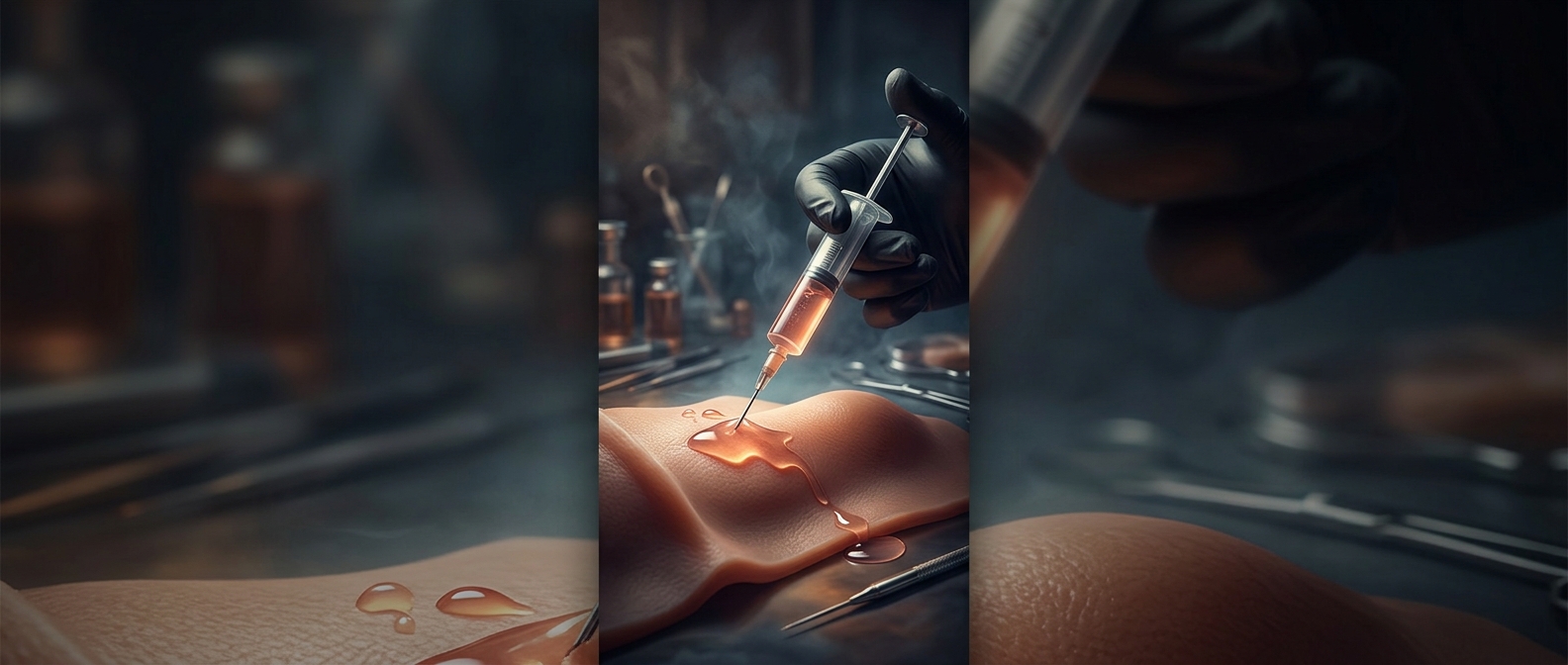
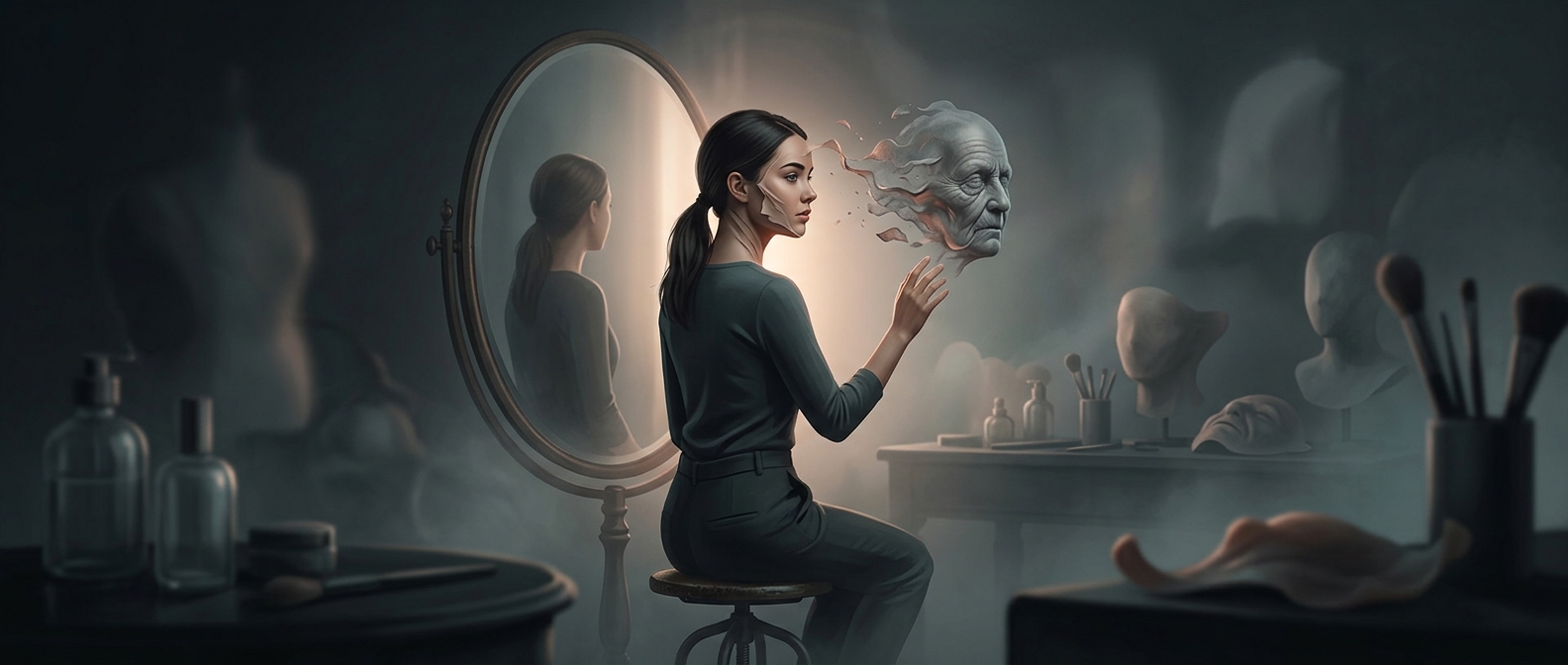
An aging prosthetic is not simply a mask pulled over an actor’s head. Artists may use several thin, textured silicone pieces—around the forehead, eyes, cheeks, or neck—so the added skin can follow the actor’s expressions. Silicone’s soft, flexible feel helps it move with the face, while sculpted lines, folds, and pores give makeup a surface that can catch light more like real skin.
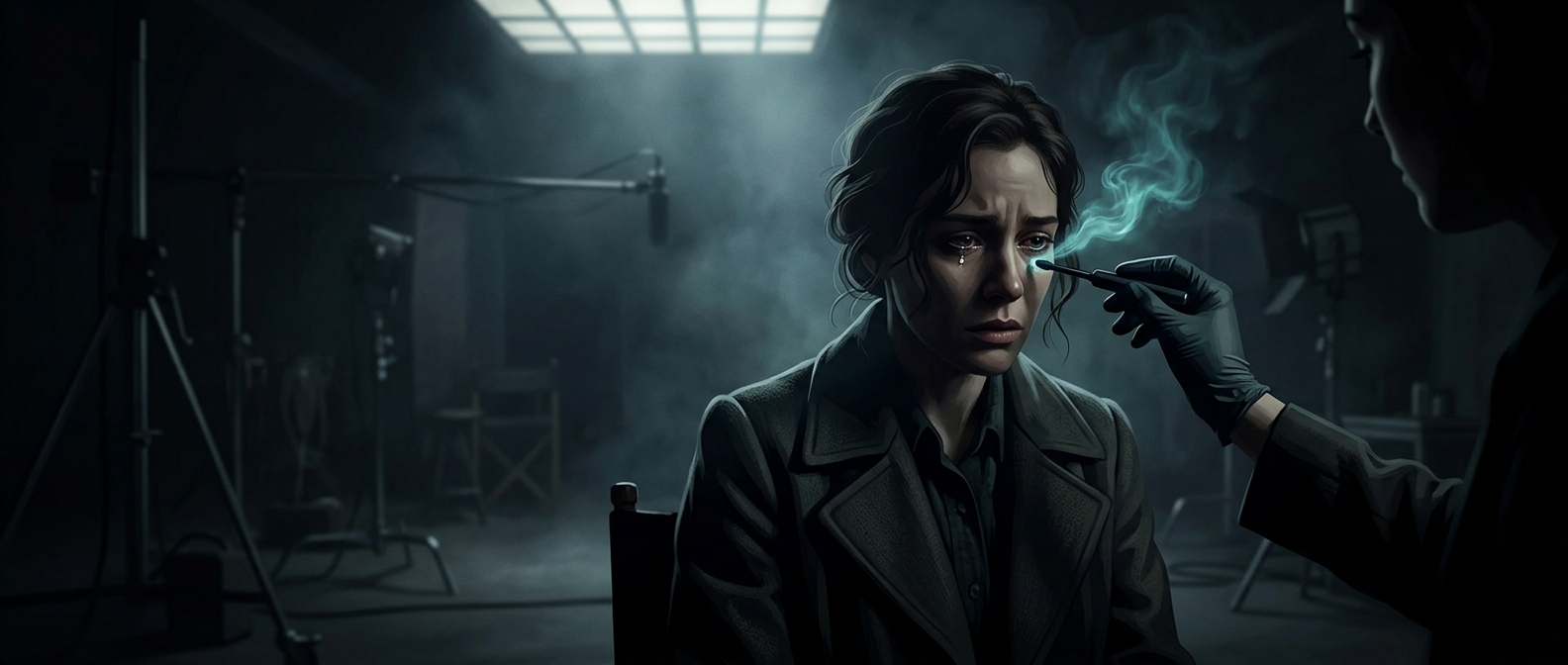
Each edge has to disappear. Artists attach the pieces with skin-safe adhesive, then blend the borders into the actor’s skin with makeup and careful color matching. A seam that looks invisible at close range can become obvious under bright studio lights or in a camera close-up, so application involves repeated inspection and adjustment. The face also has to remain recognizable and expressive: too much material can make a brow or mouth look stiff.
The Tradeoff Behind the Long Application
The time goes into more than gluing pieces in place. Positioning must be precise, and the makeup has to unify the prosthetics with exposed skin. A small shift can distort a feature or reveal an edge, making the process painstaking even when the finished look appears effortless onscreen.
Once applied, silicone covers much of the skin and limits how easily heat and sweat escape. The actor may have to wear that warm, occlusive layer through hours of filming, while still speaking and reacting naturally. The transformation is designed for the camera, but it becomes a physical environment the performer has to work inside. That is why a convincing older face depends not just on sculpting wrinkles, but on balancing visual detail, facial movement, and the actor’s comfort over a long day.