A live pitch is guided, not memorized
Selling on television without a word-for-word script does not mean starting from scratch. Hosts typically work from product information and a planned presentation: what an item does, which features to demonstrate, and what viewers need to know before buying. That framework keeps the pitch coherent while leaving room to respond naturally in the moment.
The earpiece adds another layer of direction. Producers can pass along live sales information and prompt the host to spend more time on an item that needs attention. The host then has to absorb that cue without breaking the conversation viewers are watching.
The sales data changes the performance
A live shopping segment is also a real-time feedback loop. Unlike a recorded commercial, it lets the production team see how an item is selling while it is still on air. If interest appears weak, the host might return to a useful feature, show the product from another angle, or clarify who it suits. If the item is moving well, the presentation can keep that momentum going.
That makes improvisation a practical skill, not just a style choice. The host must translate a producer’s brief cue into an explanation that still sounds relevant to the audience. The challenge is to adjust emphasis without losing accuracy or making the pitch feel like an interruption.
Why the format feels personal
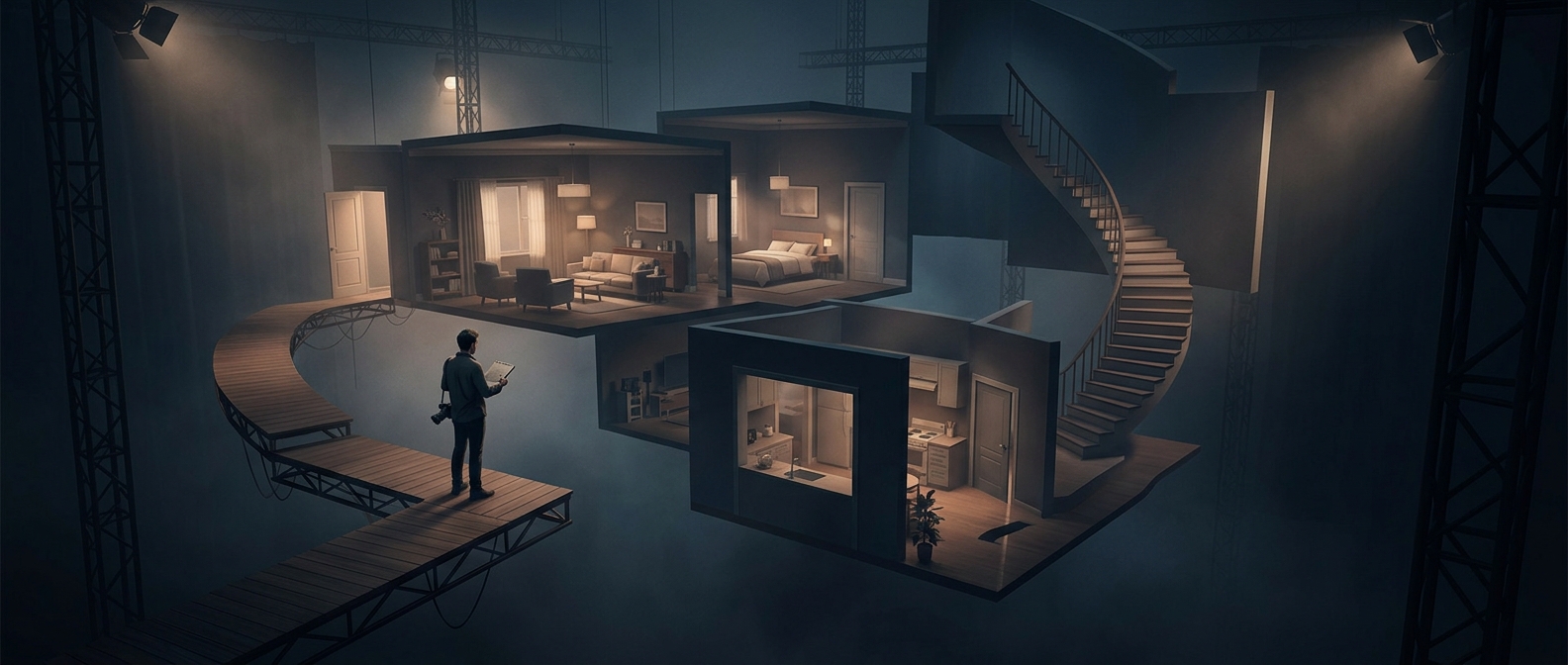
Viewers see one person demonstrating an item and answering the questions that naturally arise as they watch. Behind that apparent one-on-one exchange is a production team monitoring the sale and helping steer the segment. The result is a performance shaped by both sides of the screen: the host’s delivery and the audience’s response. A quiet sales signal backstage can change what gets demonstrated next, while the host makes that shift feel like part of the conversation.