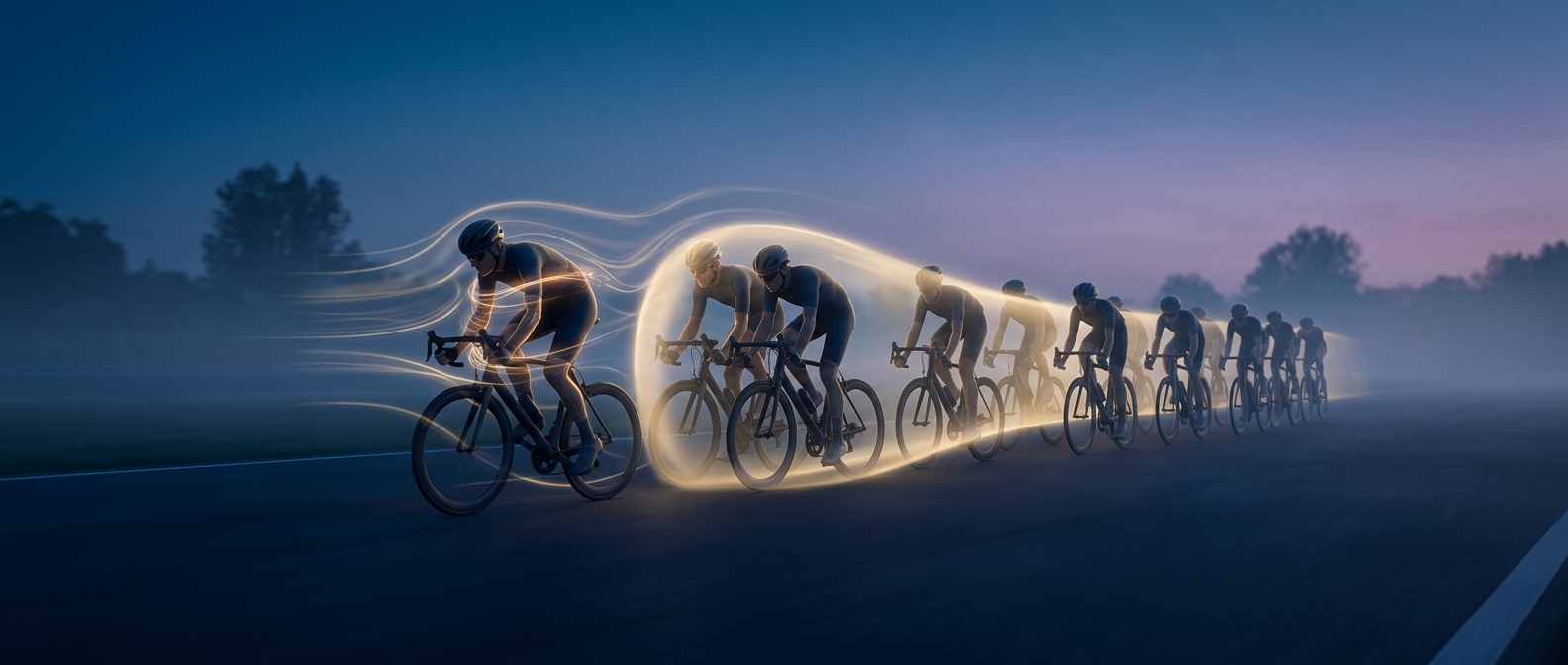
The moving pocket of calmer air
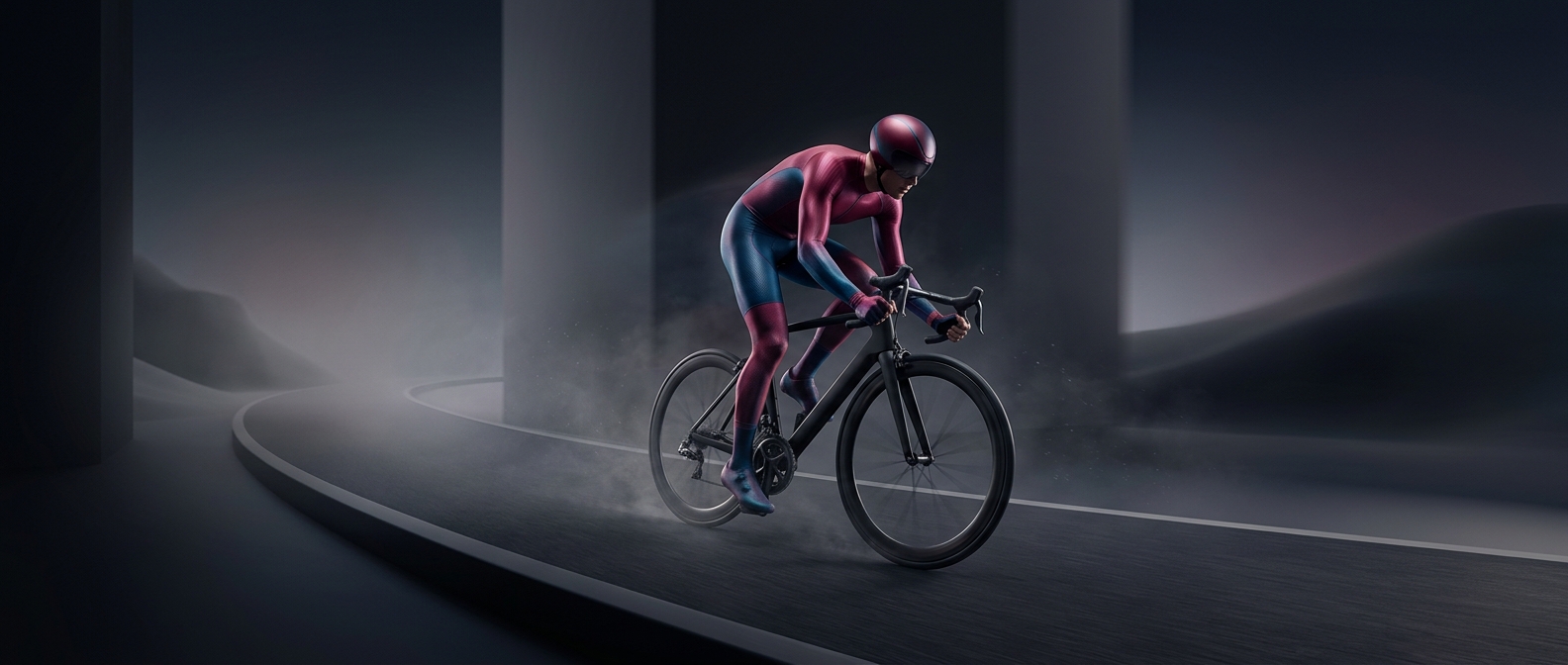
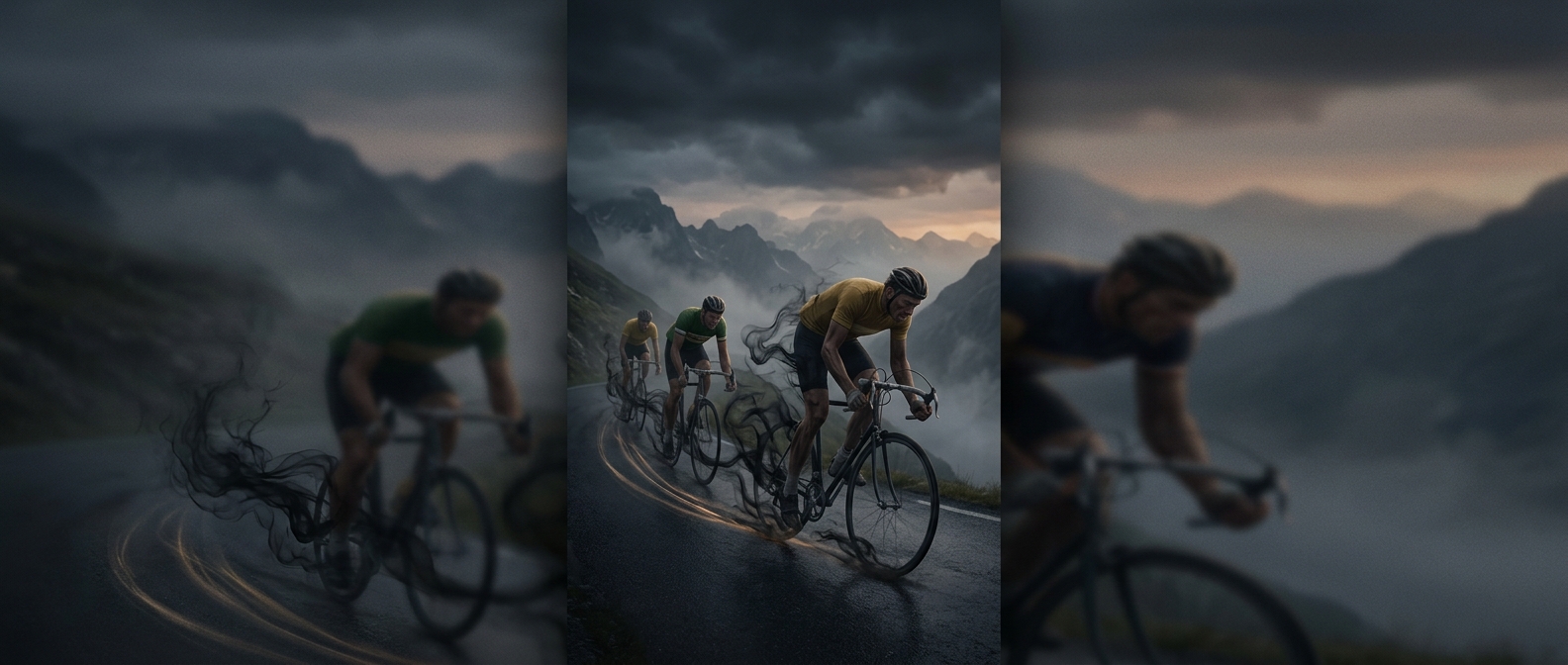
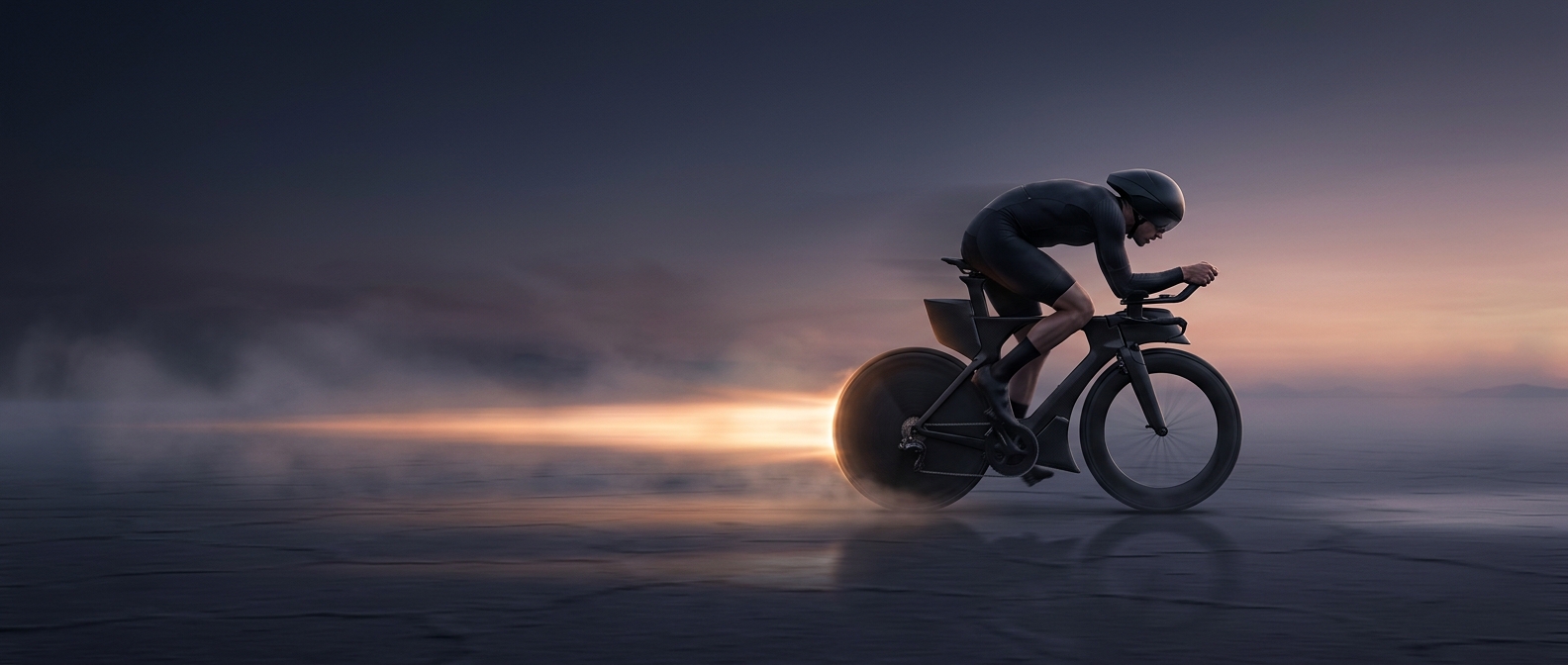
A cyclist does not leave a clean hole in the air. As the front rider moves, air separates around their body and bicycle, then swirls in the wake behind them. A following rider tucked into that disturbed air meets less wind pressure than a rider facing undisturbed air. Because air resistance rises sharply with speed, even a modest reduction matters on a fast, flat road.
The benefit depends on position. The closer the follower is, the more they can shelter—but the less time they have to react if the rider ahead brakes, swerves, or hits a pothole. A small change in spacing can also weaken the shelter, so a group’s smoothness and attention are part of its aerodynamic advantage.
Why the front position keeps changing
The lead rider has no one ahead to break the air for them, so staying there costs more effort. On a long ride, cyclists often take turns at the front: after a short pull, the leader moves aside and drifts to the back while another rider takes over. The change spreads the hardest work across the group rather than asking one person to spend the whole ride in the wind.
That arrangement works best when riders hold a predictable line and signal hazards or changes in pace. A sudden acceleration can stretch the line and force those behind to spend extra energy closing gaps; a sudden slowdown can make close spacing risky. In a crosswind, riders may shift slightly sideways to find shelter, and the group can spread across more of the road—so drafting is not simply a matter of following directly behind.
The striking result is that a group can travel at a pace that would be punishing for each rider alone. Its speed comes not just from stronger legs, but from sharing the wind exposure one turn at a time.