Why an Airspeed Reading Can Be Misleading
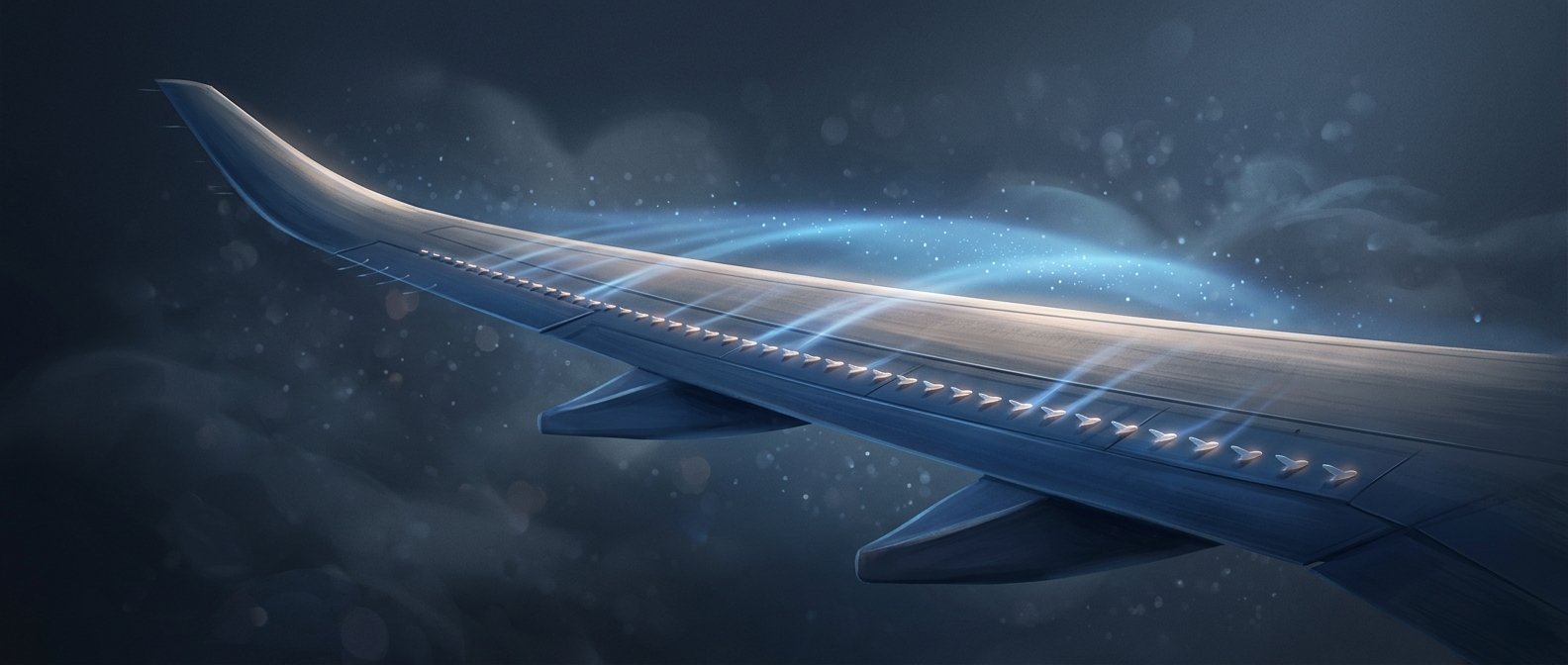
A wing makes lift by deflecting air downward. The force depends partly on how much air passes over the wing each second, so thinner air provides less to work with. To make the same lift, an aircraft must move faster through the air or change the wing’s angle of attack.
Pilots usually manage this using indicated airspeed, which reflects the pressure air exerts on the aircraft. At a given indicated speed, the wing generally experiences similar aerodynamic pressure whether the plane is low or high. But in thin air, the plane must travel faster in actual terms to produce that pressure. That actual speed is called true airspeed.
The Runway and Climb Take the Hit
The difference matters most near the ground. An aircraft approaching a high-elevation airport needs a higher true speed to reach its target indicated speed. If the wind is similar, it also crosses the runway faster, leaving less time and distance to slow down. On departure, it must accelerate to a higher true speed before the wings can support it, so takeoff rolls tend to be longer.
After liftoff, thinner air also reduces the force available from the wings at a given actual speed. Engines and propellers can lose performance in the same conditions, depending on their design. The result can be a weaker climb, especially when the aircraft is heavy or the air is hot.
One Atmosphere, Several Constraints
Pilots and aircraft manuals account for these effects through density altitude: the altitude the air behaves like, based on its density. A hot day can make air act thinner than its elevation alone suggests. The practical consequence is not simply “less lift,” but a narrower margin for acceleration and climbing. A runway that seems ample on a cool day may demand more careful planning when the air is hot and sparse.