When Sound Was Thought to Come Before Matter
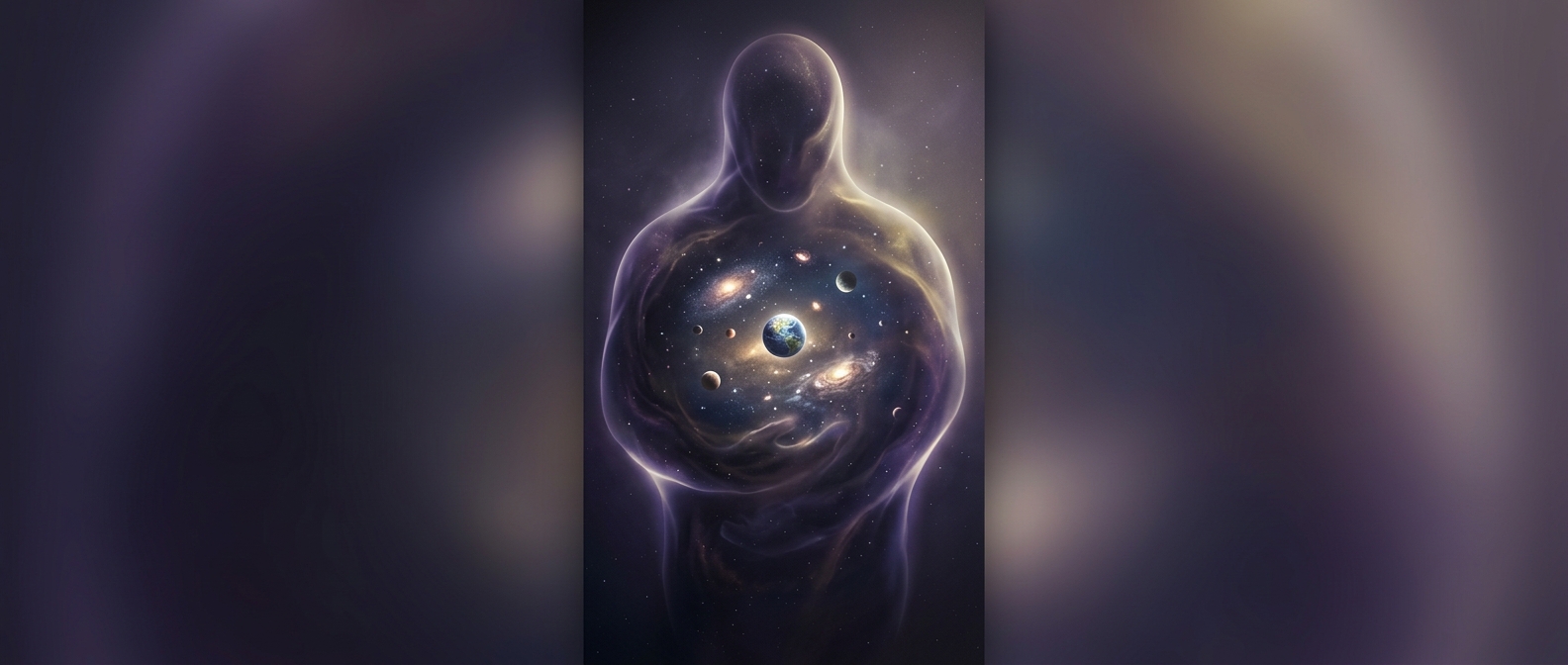
In some South Asian religious and philosophical traditions, sound was more than something people made with their voices. It could be understood as a basic principle of creation: the universe’s order expressed through sound, syllables, or sacred speech. On this view, physical things were not the whole story of reality; they emerged within a deeper structure that could be heard or voiced.
“Vibration” in this setting does not mean that ancient thinkers had measured cosmic sound waves or discovered a hidden physical frequency. It describes a religious and metaphysical idea: sound carries an ordering power, and particular syllables can participate in that order. The claim belongs to a system of meaning, not to modern acoustics.
Why the Exact Syllable Mattered
The syllable Om is a familiar example of sacred sound in several Indian traditions, though its interpretation differs among them. It may be treated as a symbol of ultimate reality or as a sound that gathers creation into a single expression. Mantras—sacred formulas recited or chanted—can likewise be valued for their precise sounds, not only for a paraphrasable meaning.
That emphasis shaped practice. A practitioner might repeat a mantra carefully because the act of voicing it was understood as participation in a sacred pattern, rather than merely as a way to communicate an idea. Recitation made the body part of the practice: breath, voice, and attention worked together.
The lasting appeal of this view is its reversal of an everyday assumption. Instead of treating language as a label applied to a world already complete, it imagines sacred sound as part of the world’s underlying design—and a spoken syllable as a small, repeatable way to enter that design.