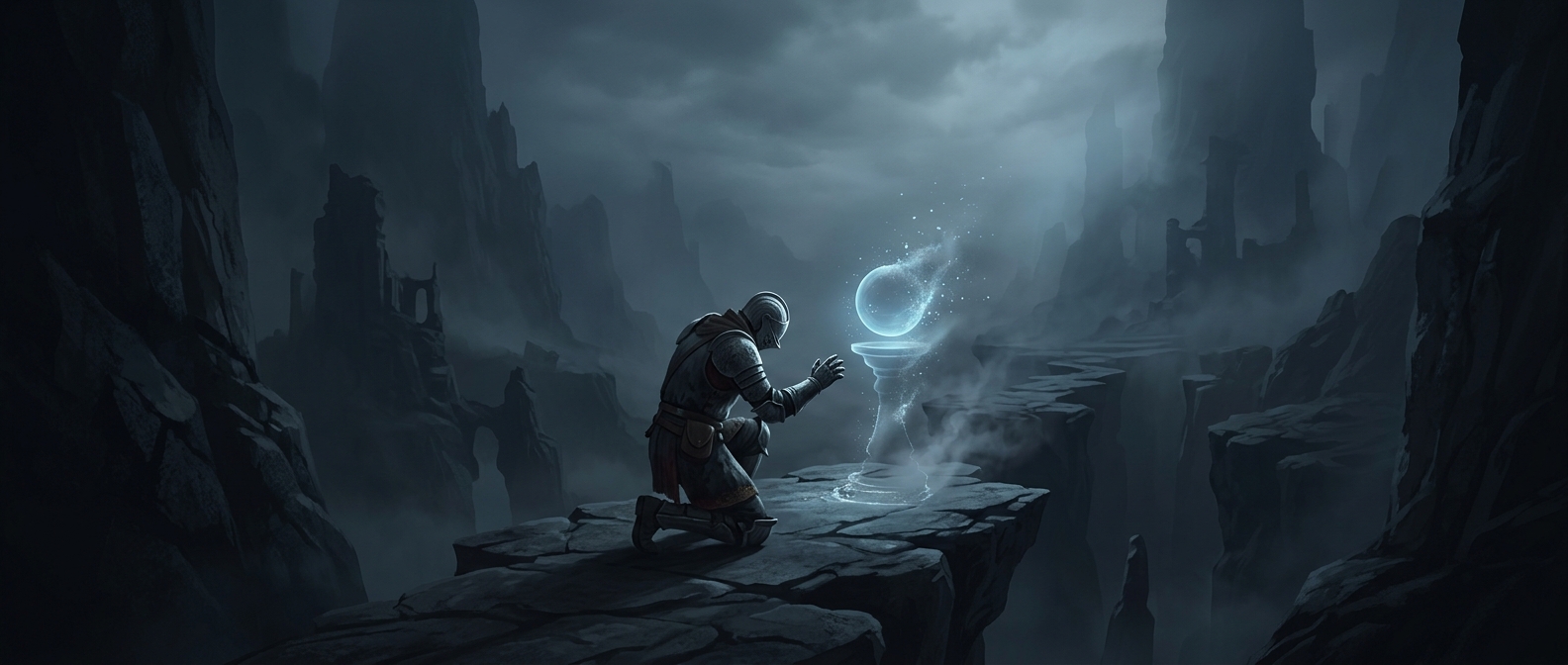
What a checkpoint actually preserves
A checkpoint is a stored return point, not necessarily a complete record of everything the player has done. When a game loads it after a defeat, it may restore the character’s location and health while resetting enemies, puzzles, or collected items to an earlier state. What carries over depends on the game’s save system.
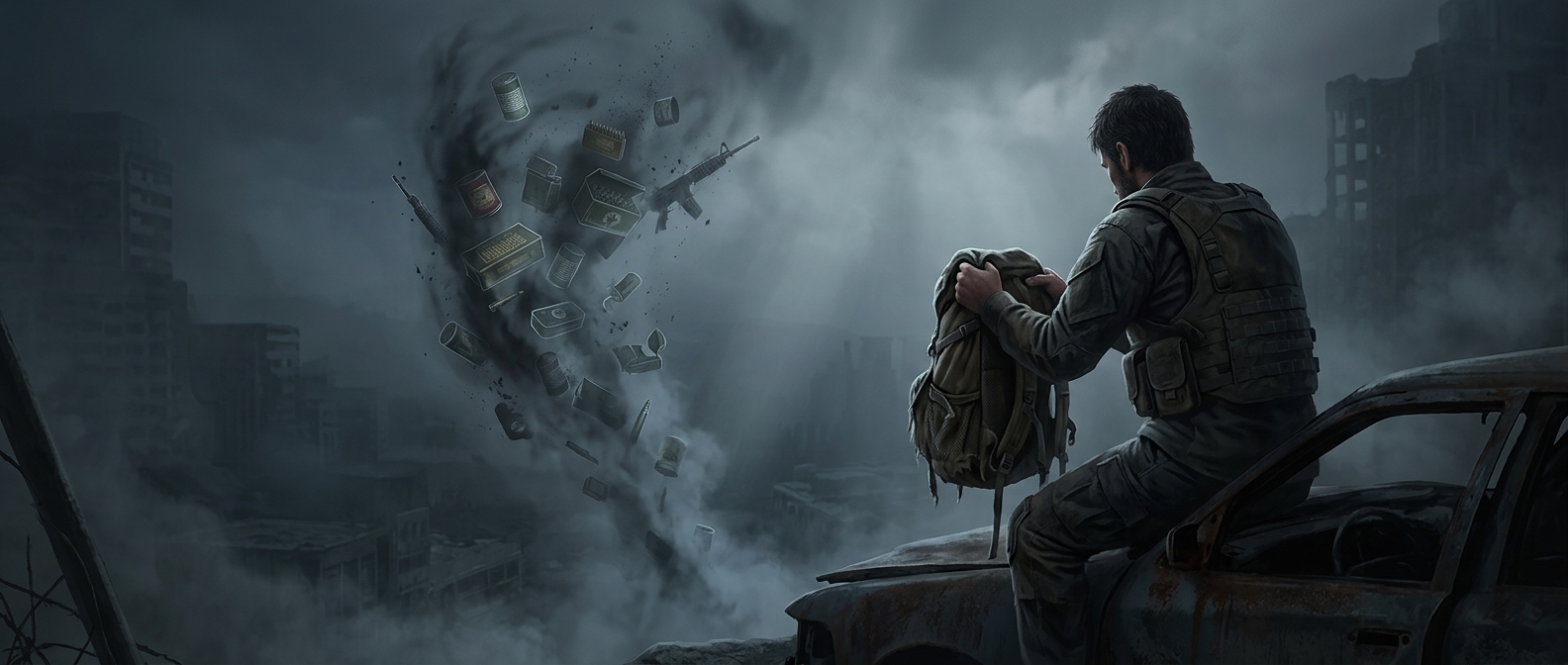
That distinction explains why a loss can feel larger than the failed fight or jump: the game is rebuilding the world from its last saved state. Progress made after that point may have existed only in the active session, not in a permanent save.
Why the gap between saves matters
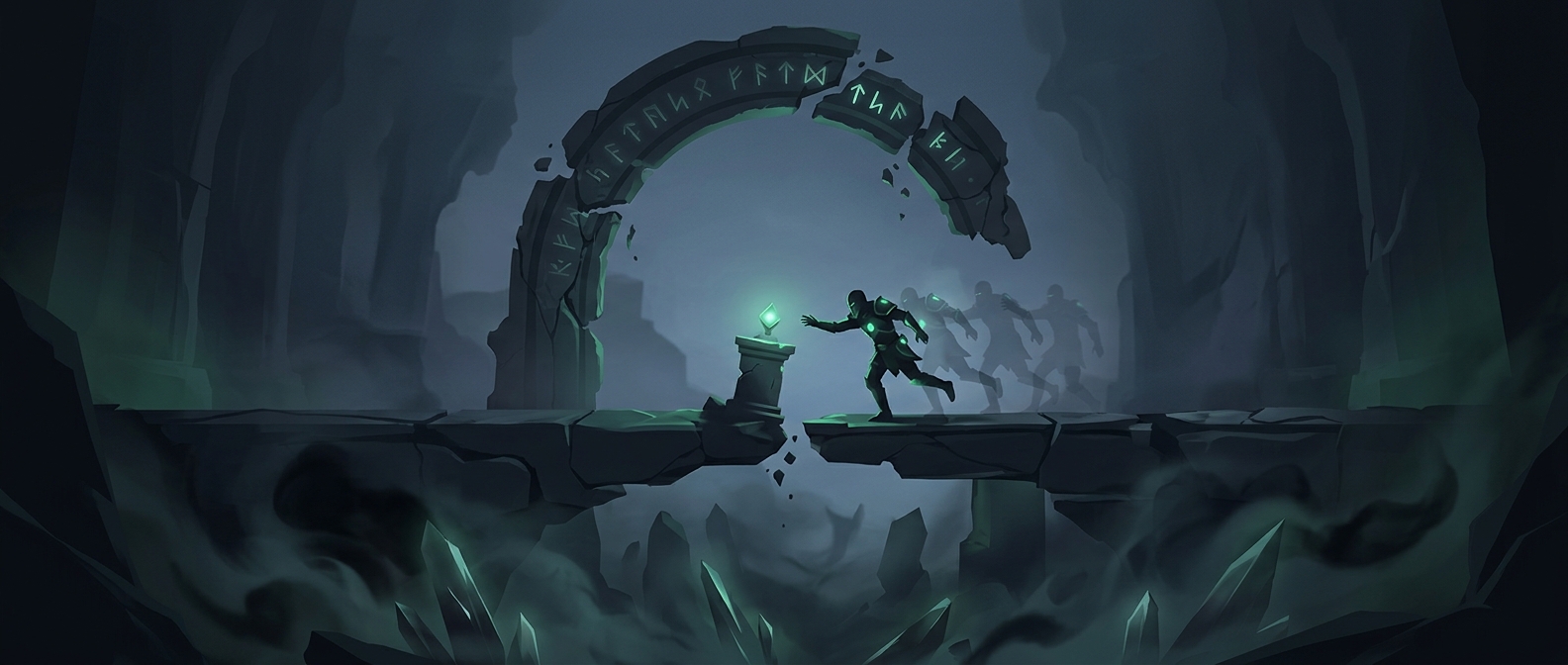
Developers use checkpoint spacing to shape the cost of failure. A checkpoint placed just before a difficult section lets players retry quickly; a longer gap can make each attempt feel more consequential. But if the stretch includes exploration or several small victories, repeating it can turn a setback into tedious cleanup.
Manual saving gives players more control, but it also asks them to notice when a save is possible and remember to make one. Automatic checkpoints reduce that burden, though their timing is set by the game. The practical risk is the unsaved interval: the longer a player goes without a new save, the more work a defeat can undo.
A useful habit is to treat a newly reached checkpoint as a boundary: progress before it is secured, while progress after it may still be temporary.