Why a Death Can Undo Hours of Play
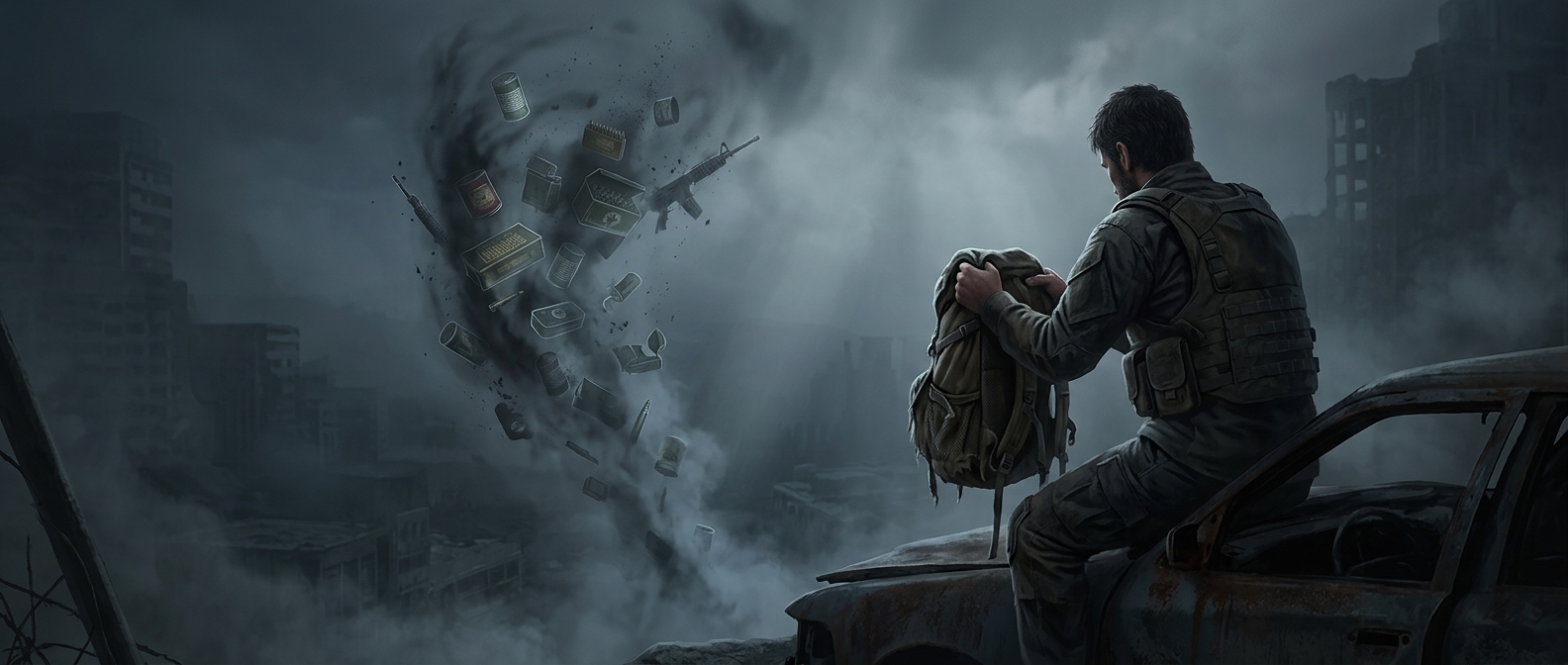
In DayZ, survival is built around a character’s carried kit: weapons, ammunition, food, medicine, clothing, and the supplies gathered along the way. When that character dies, the player respawns without that inventory. The hours spent searching abandoned buildings and weighing what to carry therefore become part of the risk of every later decision—not a protected record of progress.
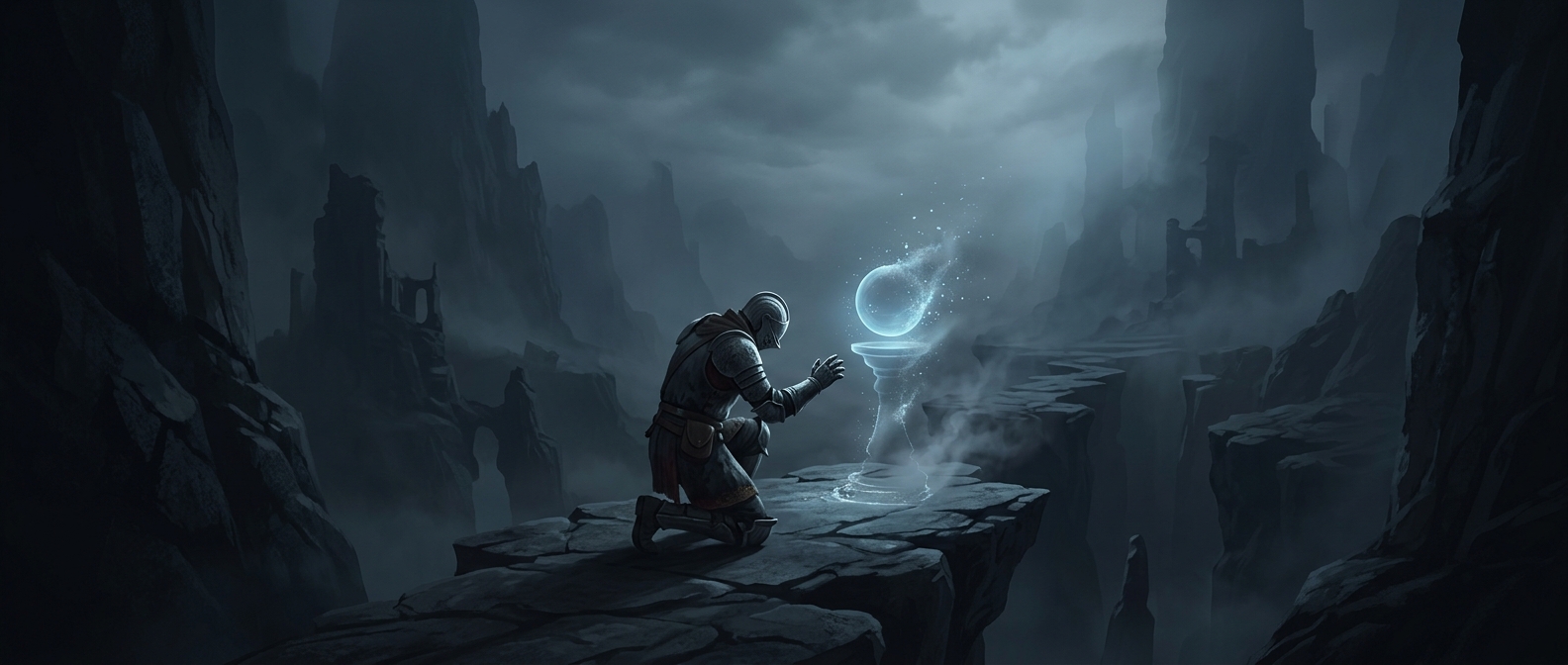
The loss is not always instantly irreversible. A dead character’s body may leave gear behind, giving a player a chance to return and recover it. But the route back can be dangerous, and another survivor may reach the body first. That possibility turns recovery into a second gamble rather than a simple undo button.
How Scarcity Changes a Player’s Choices
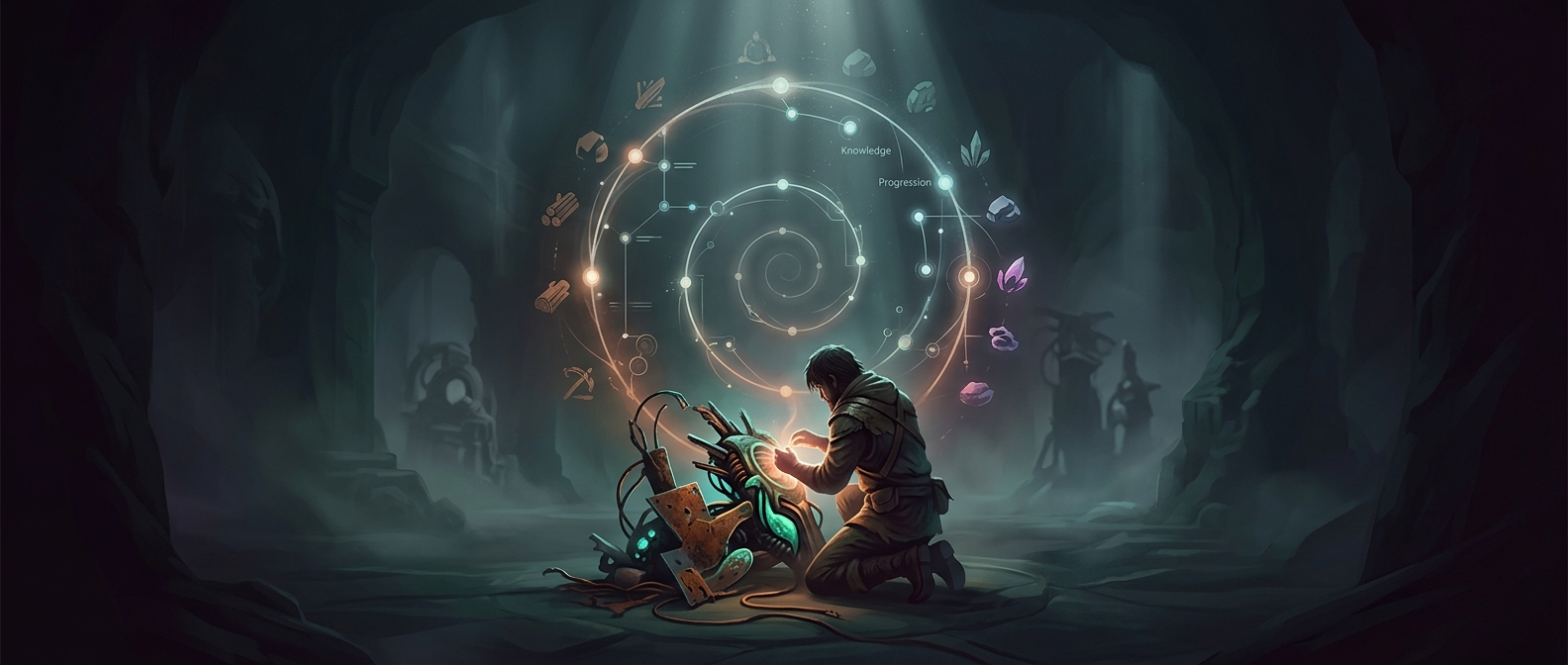
A can of food is not just a small reward if the character is hungry; a rifle is not just equipment if ammunition is scarce and carrying it means leaving something else behind. Because inventory space and supplies are limited, players continually decide what is worth the risk of taking into the field. The more useful the kit becomes, the more costly it feels to expose it to danger.
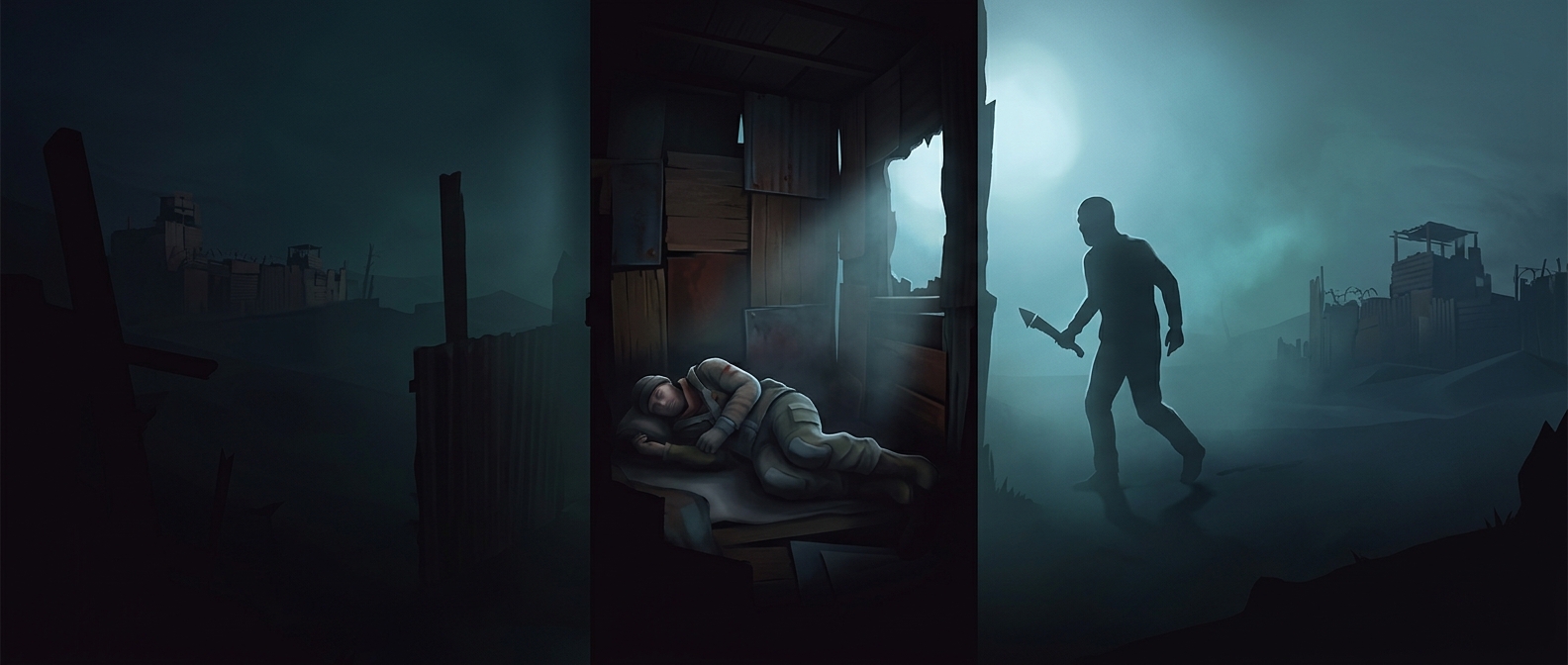
That pressure shapes encounters before a shot is fired. A stranger might be a threat, a potential trading partner, or someone who could help recover from a bad situation. Since the game offers no guarantee about which, players may avoid contact, watch from cover, or negotiate cautiously. The gear matters, but its deeper effect is psychological: it makes uncertainty feel expensive.
Death can thus erase more than a loadout. It can force a player to begin the scavenging cycle again—and make the next meeting with another survivor feel consequential even before either person acts.