Logging Off Does Not Remove You From Rust
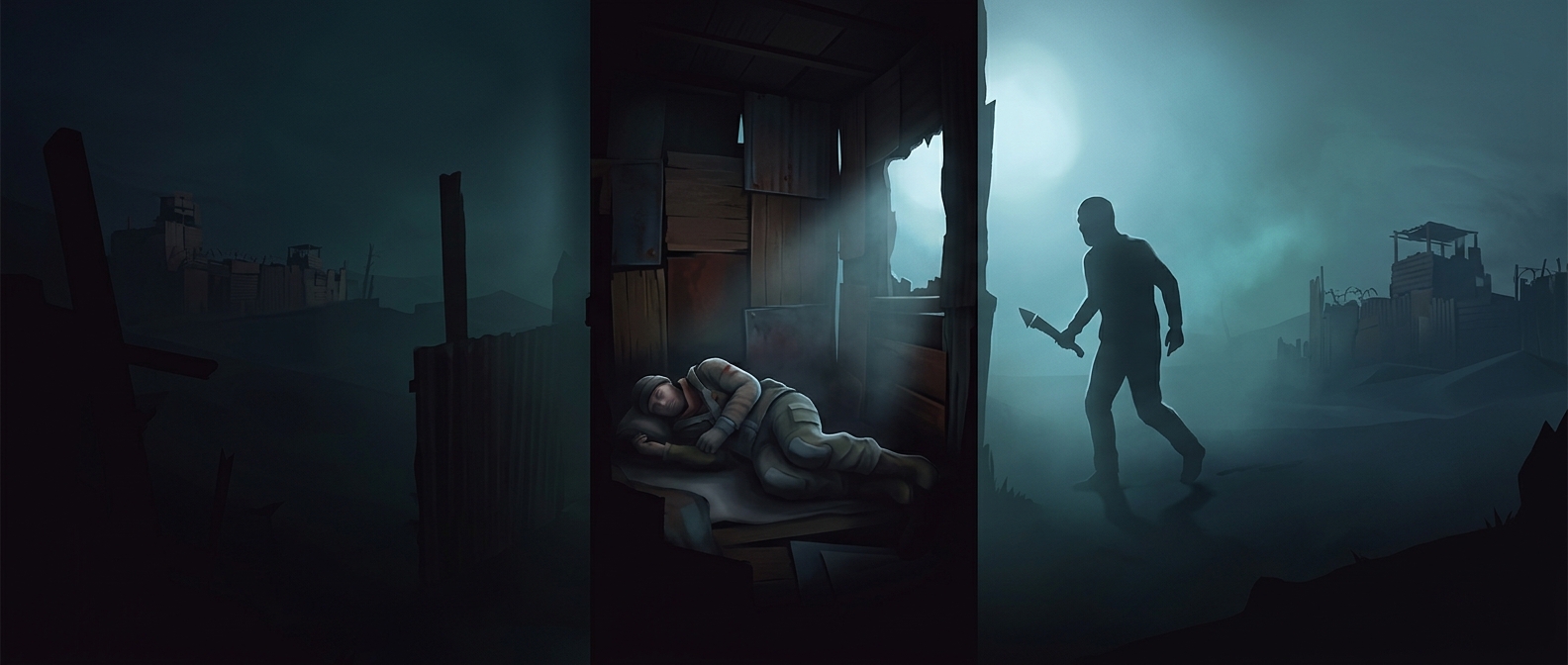
Many online games make logging out a clean break: your character disappears, and the world can no longer reach your inventory. Rust treats departure differently. Your character is left behind as a sleeping body in the persistent game world—a world that continues while you are away. Other players can find and loot that body, or try to break into the shelter around it.
That turns an ordinary pause in play into a defensive decision. You are not only choosing when to stop gathering or building; you are deciding what condition to leave your character and belongings in.
A Base Is Also an Offline Plan
Walls and other defenses buy time and make a shelter harder to penetrate, but they are not an absolute guarantee. A stronger base can reduce the chance that another player gets in easily; improving it also takes resources and effort that could have gone toward other needs. Players must weigh that investment against how much they have to lose and how secure the shelter is before they log off.
The result is a distinctive pressure: Rust’s world does not wait for each player to return. A session can end with a character still physically present, and a base that seemed safe while its owner was online can become a test of preparation overnight. Logging off, in effect, means leaving your defenses to speak for you.