Why Rust Starts You at the Bottom
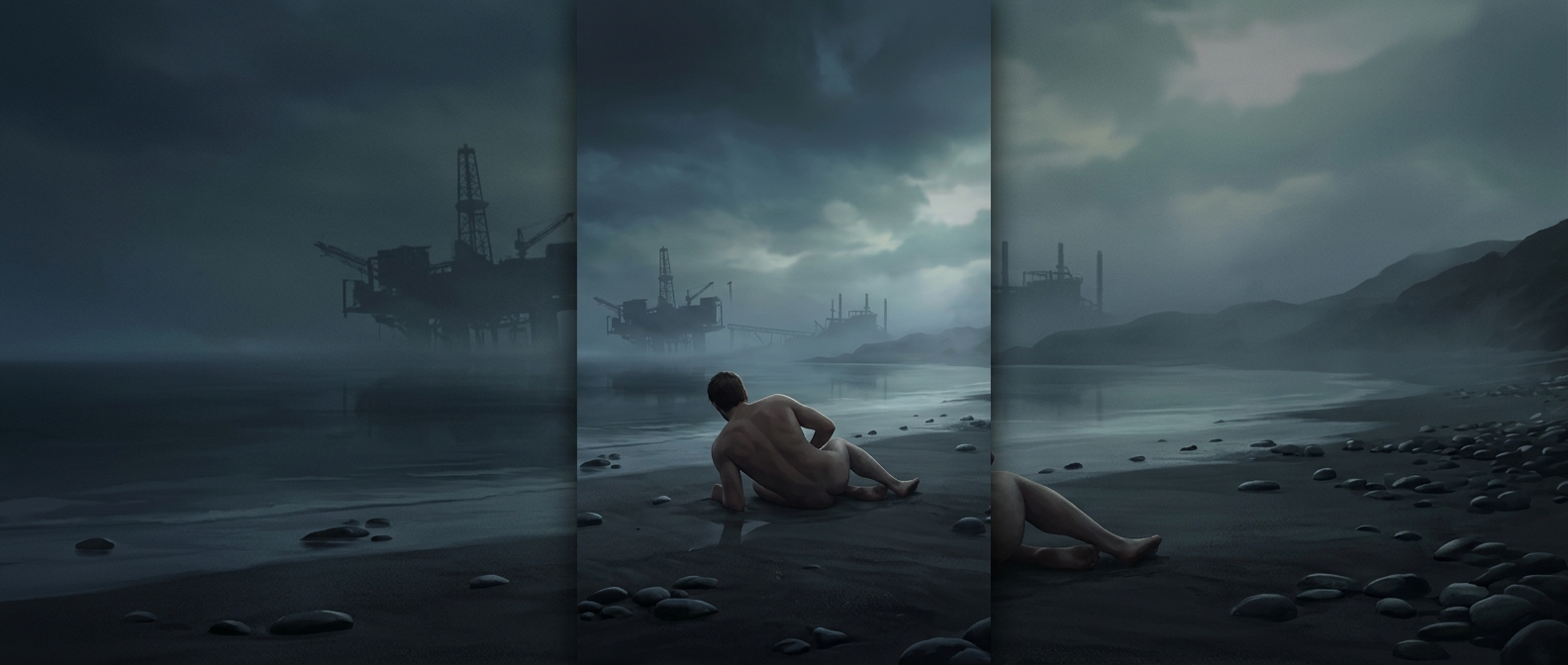
Rust’s beach opening is more than a dramatic entrance: it makes survival a problem of turning the landscape into equipment. Your starting rock is a crude tool, useful for gathering basic materials but far less efficient than the tools you can later craft. The first minutes are therefore a race to collect enough wood, stone, and other supplies to make useful gear before danger—or another player—finds you.
Every Resource Changes Your Options
Gathered materials feed a chain of choices. Better tools make further harvesting faster; clothing and shelter help you stay alive; weapons give you a chance to resist attackers. Building a base matters because it gives you somewhere to store what you have collected, but constructing and defending it also consumes resources. Progress is not simply a matter of leveling up: it depends on what you can find, craft, and keep.
That last part makes other players central to the opening. A stranger may be a threat, a potential trading partner, or someone competing for the same patch of resources. Since your possessions can be taken when you die, even a small haul can create a real decision: keep gathering, retreat to safety, or risk approaching someone who might help—or attack.
A Small Start Creates a Social Game
The stripped-down beginning puts experienced and newly arrived players in the same immediate situation, but it does not make the world safe or equal for long. The rock is enough to begin building toward security, not enough to guarantee it. Rust’s distinctive tension comes from that gap: you can see a path from bare survival to a defended home, while knowing that every step toward it can be interrupted by another person.